
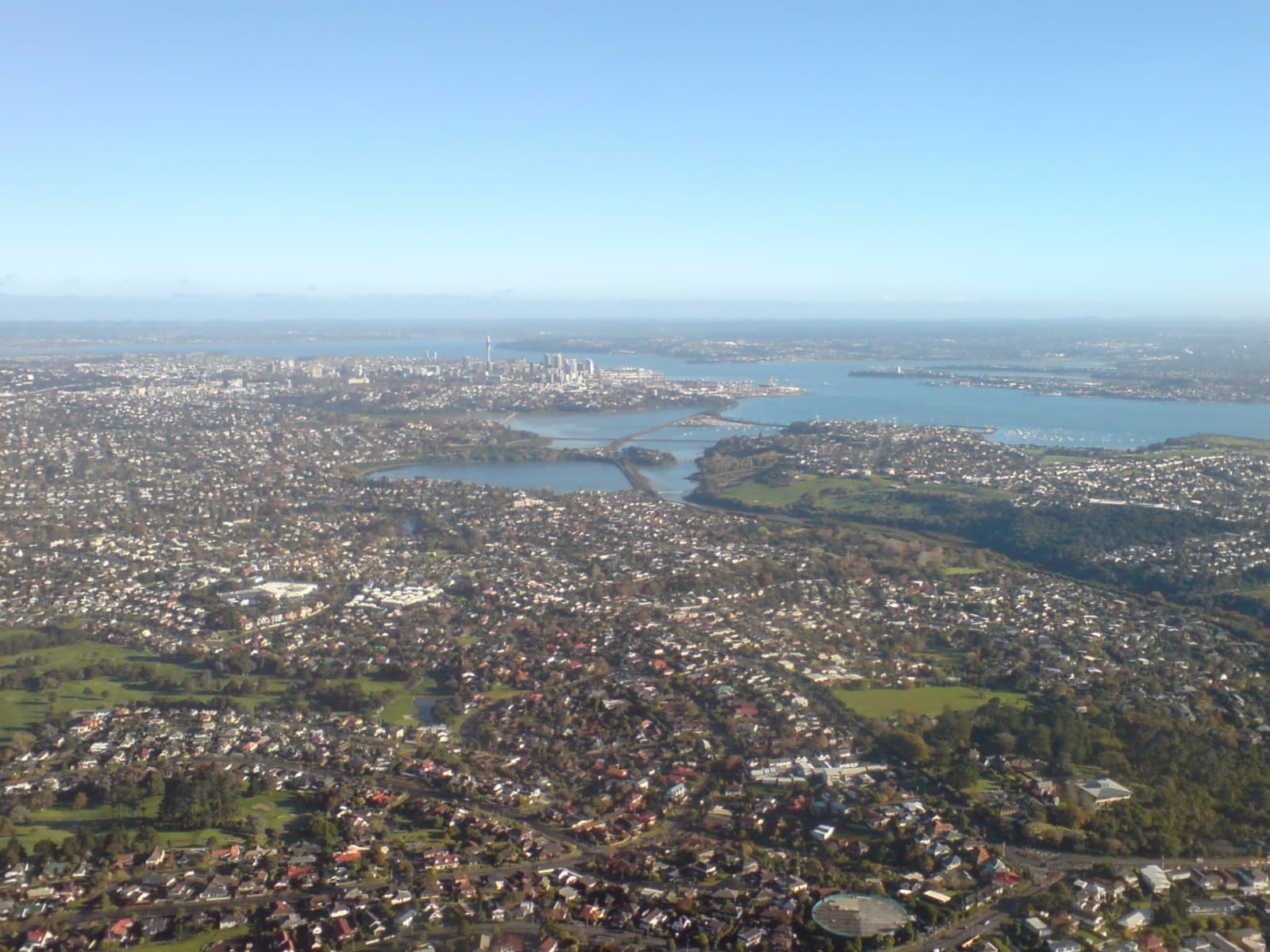
Three days in Auckland is enough for a satisfying first visit, but only if you stop treating the city as one compact downtown. The harbor, the CBD ridge, the inner neighborhoods, and the ferry-linked add-ons all pull in different directions. This plan keeps the city readable, avoids wasteful zigzagging, and leaves enough flexibility for wind, rain, or the simple realization that you would rather spend longer in Ponsonby than force a marginal extra stop.
Map context
Auckland 3-day itinerary map
Plot the main sight clusters, optional ferry add-ons, and neighborhood pivots that shape a smart 3-day route through Auckland.
Sky Tower
Auckland
landmarkUseful first-day reference point for the central core rather than a mandatory long stop.
Open Sky Tower in Google MapsBritomart
Auckland
landmarkBest anchor for understanding how the CBD, ferries, and airport connections fit together.
Open Britomart in Google MapsAuckland Art Gallery
Auckland
landmarkFits naturally into the city-core orientation day if you want culture without a long detour.
Open Auckland Art Gallery in Google MapsWynyard Quarter
Auckland
landmarkBest treated as part of a harbor-focused block with Viaduct rather than a standalone errand.
Open Wynyard Quarter in Google MapsAuckland Domain
Auckland
landmarkWorks better as a deliberate half-day choice than a quick add-on after too much waterfront walking.
Open Auckland Domain in Google MapsDevonport ferry view
Auckland
landmarkGood city-facing harbor add-on if you want a ferry experience without committing to a full island day.
Open Devonport ferry view in Google MapsBritomart
Auckland
transportUseful regrouping point for ferries, trains, and airport-transfer logic across the whole itinerary.
Open Britomart in Google Maps
Bookable ideas
Tours and activities to compare
Use these as a starting point, then verify the meeting point, cancellation terms, group size, and recent reviews before booking.
Auckland waterfront and central-city walking tour
Walking tour
2–3 hours- Best for
- First-time visitors who want the CBD, ferry terminal, and waterfront to make sense early.
- Why book
- A good guide can connect Britomart, the harbor edge, and the uphill city core into one usable mental map.
- Watch out
- Choose a time with reasonable weather and wear shoes that handle both pavement and short inclines.
Auckland food and wine route through Ponsonby or K Road
Food tour
3 hours- Best for
- Travelers who want one strong evening in a district with more personality than the office-heavy parts of downtown.
- Why book
- It solves the question of where to spend a night out while giving you a better feel for Auckland after dark.
- Watch out
- Pick the district carefully: Ponsonby is broader and polished, while K Road can feel edgier and more nightlife-led.
Waiheke Island day trip from Auckland
Day trip
7–9 hours- Best for
- Visitors who want their third day to become a true harbor escape rather than another urban sightseeing loop.
- Why book
- It is one of the cleanest signature add-ons from central Auckland if the ferry-and-island rhythm is part of the appeal.
- Watch out
- Do not squeeze it into an already full day, and let weather shape whether the harbor outing still feels worth it.
West Coast beaches and rainforest tour
Nature tour
5–7 hours- Best for
- Travelers who want a fast contrast between the city and the wilder landscape beyond it without renting a car.
- Why book
- It shows how quickly Auckland can pivot from urban waterfront to black-sand coast and forest.
- Watch out
- Less compelling if the rest of your New Zealand trip already includes bigger scenery days.
Trip planning
Check guided options against the timing in this guide.
Use a tour for the part of Auckland that is genuinely easier with help, then keep the rest of the city flexible enough for weather and neighborhood detours.
Browse Auckland toursExternal partner or booking tool; check locations, terms, and current availability before committing.
Itinerary note 01
How to use this 3-day plan
Treat this itinerary as route logic, not a strict timetable. Auckland rewards travelers who batch the waterfront, central sights, and neighborhood detours instead of crossing town for one famous place at a time. The city is more spread out than many first-timers expect, hills can make short walks feel longer, and weather can change the mood of a day quickly. If you keep the geographic shape of the plan intact, you can swap individual museums, viewpoints, or meals without breaking the trip.
Itinerary note 02
Day 1: orient yourself around the CBD, Britomart, and the waterfront
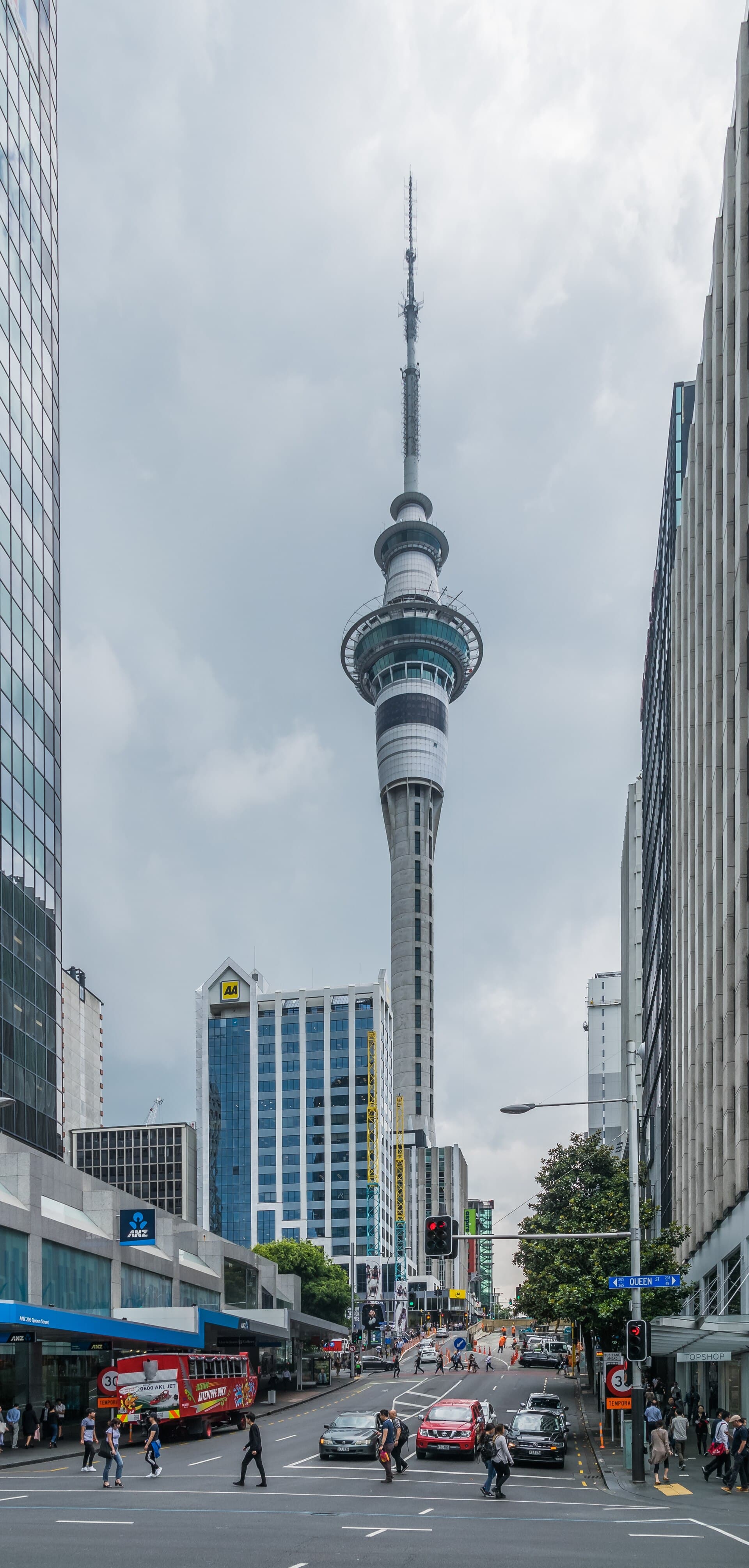
Start with the easiest part of Auckland to understand: Britomart, Commercial Bay, the ferry terminal area, and the short walk inland toward the Sky Tower or Auckland Art Gallery. Day one should build your mental map more than your trophy count. You want to learn where the city flattens out, where the uphill blocks begin, and how easy it actually is to move between the transport core and the harbor edge. Keep lunch and a slower waterfront stretch in the plan so the city feels legible rather than rushed. Once you know how Britomart connects to the rest of the center, later decisions about ferries, dinners, and hotel location get much easier.

Itinerary note 03
Day 1 evening: let your dinner district teach you what kind of Auckland trip you want
Use the first evening to compare the practical center with one stronger personality district. For many travelers that means heading to Ponsonby for dinner, then noticing whether the extra ride or bus feels worth the better restaurant and nightlife energy. If you are staying near Viaduct Harbour or Wynyard Quarter, you may prefer an easier waterfront night first. The point is to read your own trip honestly. Auckland often looks interchangeable by day, then reveals its real differences at night once office streets quiet down and the neighborhood you chose either feels convenient or oddly dead.
Itinerary note 04
Day 2: do the denser classic-sights day while your legs and attention are still fresh
Make day two your fullest city day. A good version threads together Wynyard Quarter, Viaduct Harbour, and either Auckland Domain or the Art Gallery side depending on what you skipped on day one. If Devonport is appealing, this is also a sensible day to slot in a ferry ride because the harbor crossing is part of the experience and the return stays easy through the central ferry terminal. Do not try to force Domain, Devonport, Ponsonby, and a formal evening plan into the same day. Auckland punishes that kind of optimism with repeated transfers and tired uphill walks rather than dramatic distances on the map.
Itinerary note 05
Day 2 evening: this is the best slot for one curated experience
If you want a walking tour, food tour, or guided harbor-oriented experience, day two evening is the cleanest time for it. By then you know whether the city still needs explanation or whether what you really want is one easier night built around a district you might not navigate confidently on your own. A Ponsonby or K Road food-led experience can be useful if it saves you the guesswork of choosing a scene. A central walking tour is more worthwhile if you care about context, architecture, or Māori and colonial layers that are easy to miss on a surface wander.
Itinerary note 06
Day 3: choose between a harbor day trip and a slower city day
Day three is where you decide whether Auckland itself still deserves the time or whether one ferry-based add-on is a true priority. Waiheke and Rangitoto are the obvious temptations, but both add real friction compared with staying city-side. They can absolutely be worth it, especially Waiheke if the harbor outing is one of the reasons you came, but they should replace a city day rather than get stuffed around it. If the weather is unsettled, your pace has been slower than expected, or you discovered that you like the inner neighborhoods more than the excursions, keep the day for Newmarket, Parnell, another waterfront block, or a longer museum-and-meal rhythm.
Itinerary note 07
When to book tours versus when to stay flexible
Book the experience that is hardest to improvise, not every activity that appears in search results. In Auckland that usually means a ferry-linked day trip with limited flexibility, a tour that solves a real confidence gap, or a seasonal evening experience you would genuinely regret missing. Leave the core city blocks loose enough to respond to weather and mood. The best Auckland trips usually have one anchored outing and several movable pieces around it, especially because a windy day can make the harbor feel very different from the sunny version in your head.
Itinerary note 08
How to adjust this itinerary for different travel styles
Fast movers can add one extra museum, lookout, or neighborhood stop each day as long as it stays on-route. Slower travelers should happily do the opposite and protect time for coffee, a long lunch, or harbor walks. Families and mixed-energy groups should minimize needless backtracking and think carefully about hills, stroller comfort, and how many separate transfers they are willing to do in a day. If you have a rental car, use it for the outer nature leg only if that truly improves the plan; for a short first city stay, many travelers are happier staying car-free and avoiding parking and one-way traffic headaches in the center.
Itinerary note 09
Mistakes that make a 3-day Auckland trip feel rushed
The biggest mistake is assuming Auckland is either fully walkable or not worth walking at all. The truth is more nuanced: some clusters are easy on foot, but the city as a whole works best when you respect its spread. Another mistake is automatically giving one of the three days to Waiheke or Rangitoto without asking whether you are actually more interested in city neighborhoods, dining, or waterfront time. A third is planning each evening before you know which district you enjoy most. The calmer version of Auckland is almost always the better one: fewer cross-town hops, better meals, and more room to let the harbor city reveal itself at its own pace.