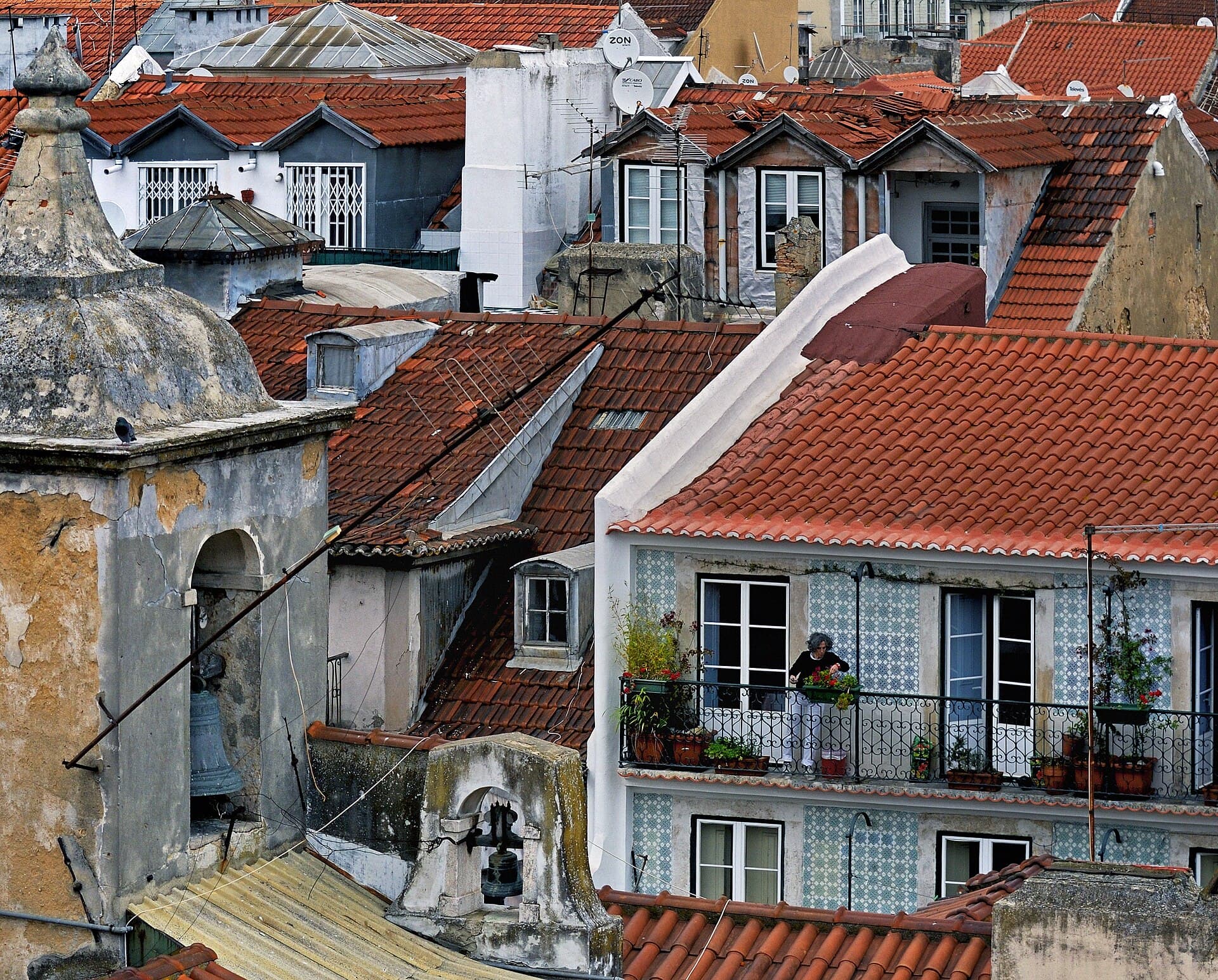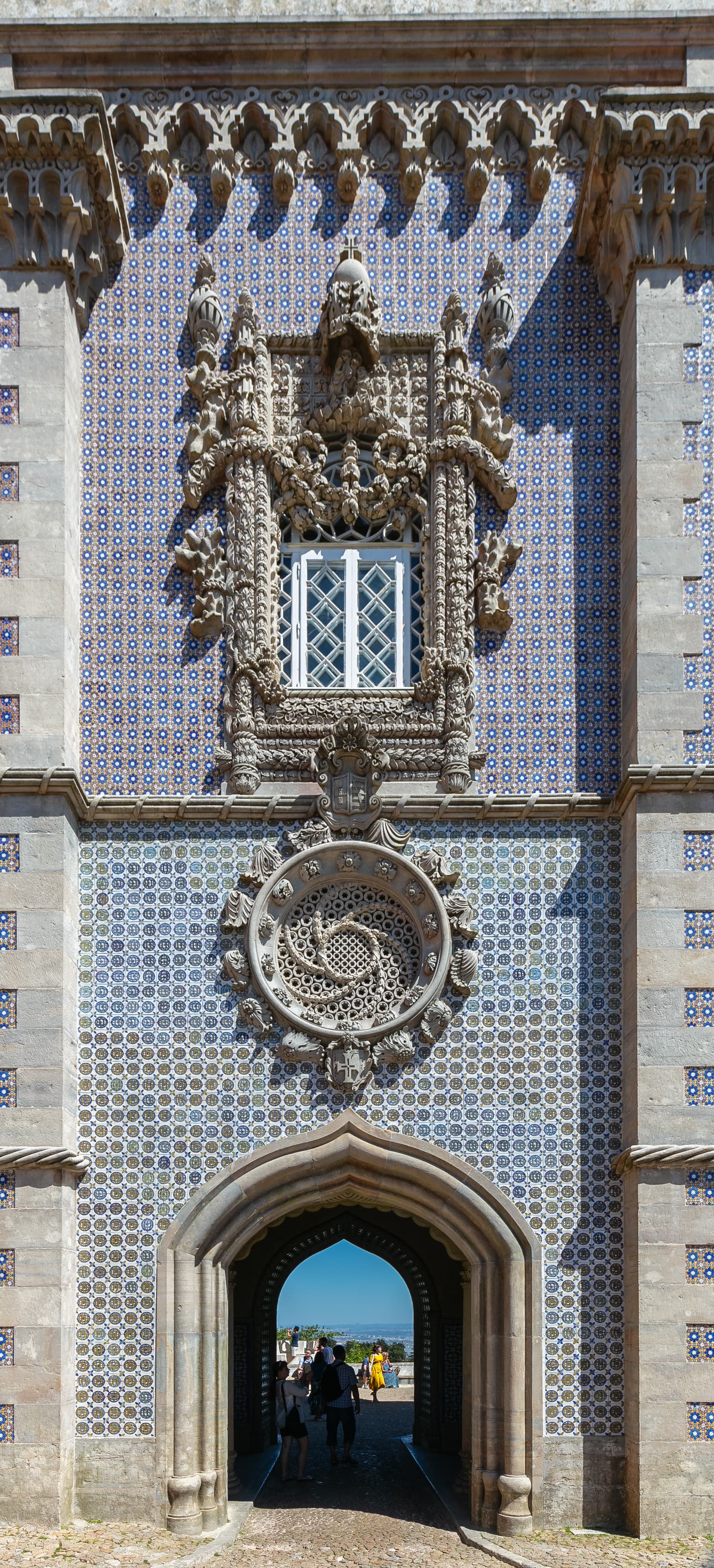
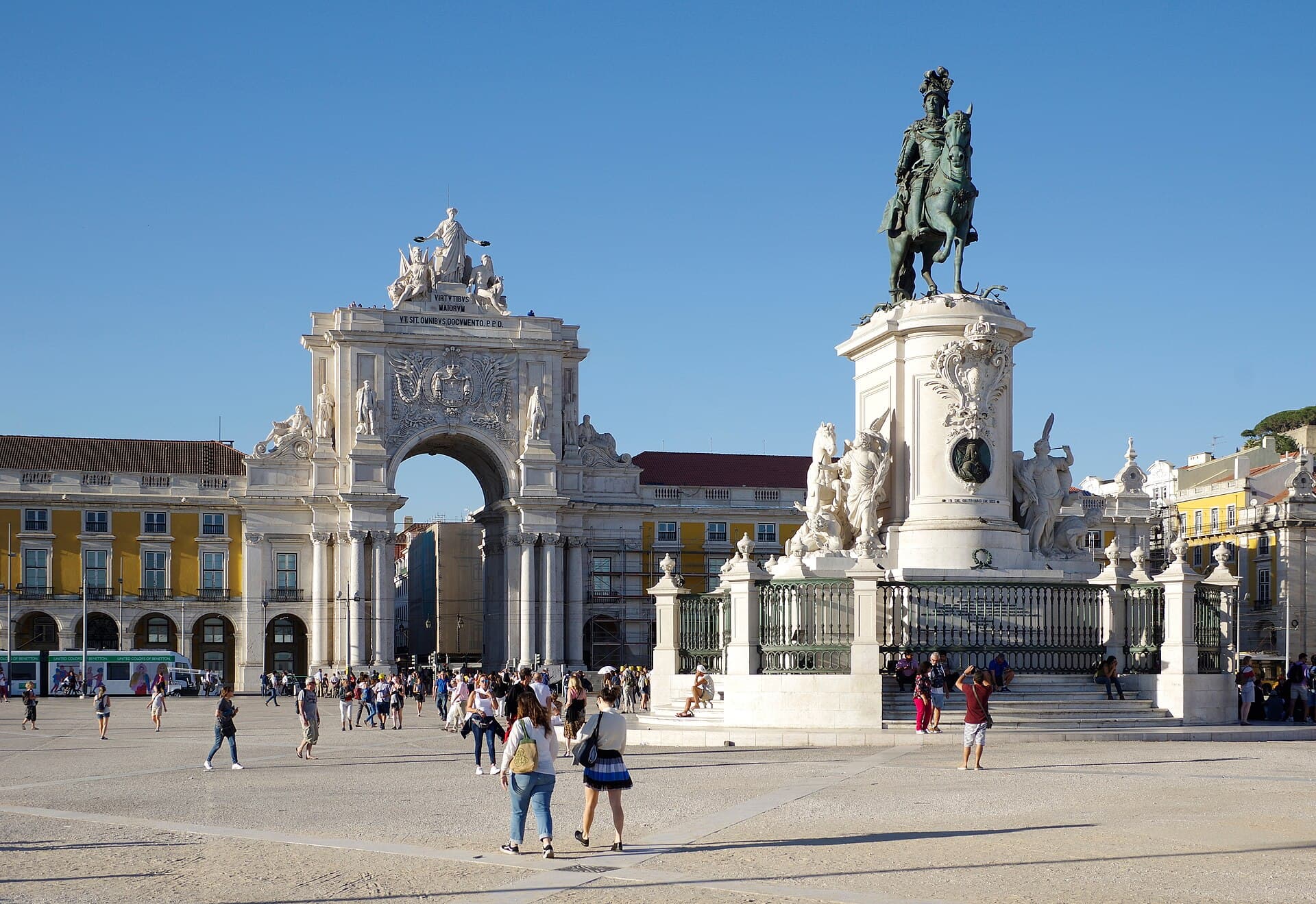
A good 3-day Lisbon itinerary is not about stuffing every miradouro, museum, and tram ride into one short trip. It is about sequencing the city so day three still feels enjoyable. Day 1 works best for the Baixa-Chiado-Alfama spine. Day 2 is better for Belém and the riverfront because that side of Lisbon wants its own space. Day 3 should stay flexible: another neighborhood day, a museum-and-market day, or a carefully chosen day trip if you still have the energy. The real enemy is not lack of time. It is bad route logic.
Good fit if…
- • first-time visitors planning a short Lisbon trip
- • travelers who want a balanced mix of sights and neighborhood time
- • people deciding whether to include a day trip
Skip it if…
- • you want a niche itinerary focused only on food, surfing, or nightlife
Map context
Lisbon 3-day itinerary map context
Use this map to keep the central spine, Belém, and the Rossio or Cais do Sodré day-trip pivots grouped so you do not waste a short trip zigzagging.
Baixa
Central Lisbon
neighborhoodBest reset point for a short trip built around simple walking logic.
Open Baixa in Google MapsAlfama
Historic Lisbon
neighborhoodDay-one hill neighborhood that works best once the center already makes sense.
Open Alfama in Google MapsBelém Tower
Belém
landmarkDay-two west-side anchor that deserves its own chunk of time.
Open Belém Tower in Google MapsCais do Sodré Station
Riverfront Lisbon
transportUseful pivot if day three becomes Cascais instead of a city day.
Open Cais do Sodré Station in Google MapsRossio Station
Central Lisbon
transportKey departure point if you turn day three into Sintra.
Open Rossio Station in Google MapsHotel da Baixa
Baixa
hotelExample of a hotel base that keeps all three days operationally easy.
Open Hotel da Baixa in Google Maps
Specific hotel picks
Hotels worth comparing first
These are real, central options to start your search. We do not show live rates or availability here, so use the links to verify the exact room, cancellation terms, taxes, and recent guest notes.
Hotel da Baixa
Baixa
Upper-midrange- Best for
- Travelers who want the lowest-friction base for a short, sightseeing-heavy trip.
- Location note
- Flat central positioning keeps each day easier to start and easier to end.
- Why stay
- It saves energy on the routes you repeat most, which matters more on a three-day trip than small differences in neighborhood romance.
- Watch out
- Check room placement if you are sensitive to central-city noise.
Lisboa Pessoa Hotel
Chiado / Carmo
Upscale- Best for
- Couples who want a more atmospheric central base without blowing up the route logic.
- Location note
- Good access to Chiado, Baixa, and easy evening walks, though not as flat as Baixa.
- Why stay
- A strong fit when you want the city-break mood to feel a bit more elevated than a purely practical hotel choice.
- Watch out
- The extra slope is minor for some travelers and annoying for others; know which group you are in.
LX Boutique Hotel
Cais do Sodré
Upper-midrange- Best for
- Travelers who may pivot toward Cascais or want stronger riverfront and train access.
- Location note
- Near trains, ferries, and easy links into Chiado and Baixa.
- Why stay
- A useful strategic base if your three-day trip may include the coast or more active evening plans.
- Watch out
- Less calm than a pure Baixa or Avenida stay, especially for light sleepers.
Memmo Alfama
Alfama
Upscale boutique- Best for
- Travelers who knowingly want old-quarter mood to shape the whole trip.
- Location note
- Well placed for Alfama time, but less effortless for airport transfer and repeated citywide movement.
- Why stay
- Worth it when the point of the trip is not just what you see in Lisbon, but what it feels like to wake up inside old Lisbon.
- Watch out
- A risky choice for anyone still undecided about hills, luggage, or mobility.
Bookable ideas
Tours and activities to compare
Use these as a starting point, then verify the meeting point, cancellation terms, group size, and recent reviews before booking.
Lisbon old town walking tour
City walking tour
2.5-3.5 hours- Best for
- First-timers who want the center and Alfama to make sense early instead of feeling scattered.
- Why book
- A good day-one tour can reduce later backtracking because you understand the city's shape much faster.
- Watch out
- Morning or late-afternoon slots are usually smarter than the hottest part of the day.
Belém food and history tour
Food and culture
3-4 hours- Best for
- Travelers who want Day 2 to feel more structured without managing every monument and pastry stop themselves.
- Why book
- Useful for turning Belém into one coherent outing instead of a series of separate lines and guesses.
- Watch out
- Check whether monument entries are included, separate, or optional so the day does not get overbooked.
Sintra day trip from Lisbon
Full-day excursion
8-10 hours- Best for
- Visitors who want Day 3 handled and know Sintra matters more than extra Lisbon neighborhood time.
- Why book
- A practical plug-in when you would rather spend your final day seeing Sintra than managing buses, tickets, and timing yourself.
- Watch out
- Skip it if the first two days already felt tiring or if you prefer to end the trip on a slower note.
Trip planning
Check guided options against the timing in this guide.
Use tours where they reduce friction — old-town orientation, Belém context, or a Sintra plug-in — and keep the rest of the itinerary loose enough to breathe.
Search Lisbon toursExternal partner or booking tool; check locations, terms, and current availability before committing.
Itinerary note 01
Day 1: center, viewpoints, and Alfama
Use the first day to make Lisbon legible. Start in Baixa or Chiado, learn how the center fits together, then drift into Alfama once you already have the city under your feet. This sequencing matters because Alfama is more enjoyable when it feels like an extension of the center rather than your first confusing hill maze. Aim for one or two viewpoints, the cathedral side, and a relaxed dinner. If fado is a priority, tonight can work, but only if you keep the rest of the day light enough that the evening still feels pleasant.
Itinerary note 02
Day 2: Belém and the riverfront
Give Belém its own day or at least its own solid half-day block. The district looks straightforward on the map, but lines, open riverfront walking, and the temptation to add too many museums can stretch the schedule fast. Start earlier, choose your monument anchors sensibly, and let the rest of the day breathe. This is usually the worst day to force a late, highly structured evening unless you already know you still have the energy.
Itinerary note 03
Day 3: choose your own emphasis
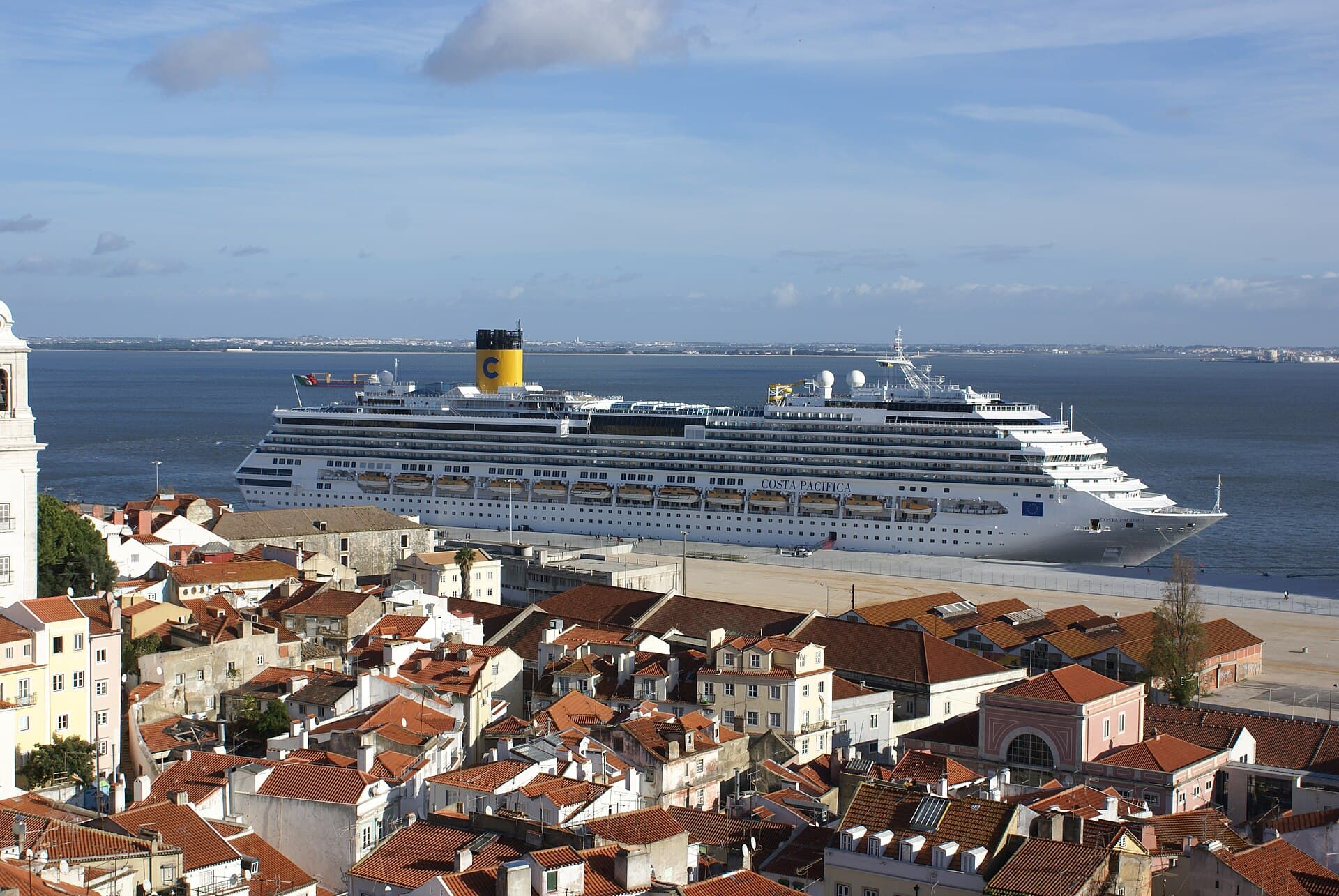
Day three should respond to what the trip has been missing. If you still want more Lisbon, use it for Príncipe Real, Bairro Alto by daylight, a market, a museum, and a longer lunch. If Sintra is the real priority, this is the cleanest slot for it because you already understand what you are giving up in the city. Cascais is the softer alternative if you want Atlantic air without another heavy sightseeing day. A good final day usually fixes the pacing of the first two, not ignores it.
Itinerary note 04
Keep the itinerary realistic
Lisbon feels compact until you add hills, queue time, tram waits, meal stops, and the simple fact that old neighborhoods move slower than the map suggests. Build in one or two “if we still feel like it” stops each day rather than treating every sight as mandatory. The city is better when you leave room for a miradouro pause, a detour into a church, or the decision to stop walking because the heat is winning.
Itinerary note 05
Where to stay for this itinerary
This plan works best from Baixa, Chiado, Avenida da Liberdade, or the lower edge of Alfama. Those bases keep day one intuitive, make Belém easier to reach, and avoid turning day three into an unnecessary transit puzzle. If you stay higher in the hills or farther north, be more disciplined about your starts and less ambitious about the number of neighborhoods you try to pair in one day.
Itinerary note 06
Booking and pacing logic
Prebook the pieces that are genuinely annoying to improvise: a fado night you care about, timed Sintra entries if that day trip is real, or a small-group tour you specifically want. Keep meals and filler stops flexible because Lisbon days stretch and compress quickly once queues, hills, and weather enter the picture. The most common mistake is locking the middle of the day too tightly, then realizing the plan has no room for appetite, stairs, or plain fatigue.
Itinerary note 07
This itinerary works best if you want structure without over-scheduling Lisbon
Use this plan if you want the main neighborhoods, Belém, and one flexible final-day decision to fit together sensibly. It is not for travelers who want to maximize museum counts or stack multiple day trips. It is meant to keep the city coherent while leaving enough air that the trip still feels like Lisbon and not a logistics challenge.
Itinerary note 08
Why this 3-day Lisbon route groups the city the way it does
Day 1 stays inside the Baixa-Chiado-Alfama band because those areas connect well on foot once you are oriented. Day 2 isolates Belém because the west-side transfer and line management deserve their own energy. Day 3 remains open because the best use of it depends on how hard the first two days felt and whether Sintra or Cascais is a real priority. Good itinerary design in Lisbon is mostly about refusing to zigzag.
Itinerary note 09
What breaks a 3-day Lisbon itinerary fastest
The usual failure is trying to force Alfama, Belém, and Sintra into the same trip without respecting recovery time. Another is assuming Tram 28 will function like a dependable shortcut rather than a sometimes-worth-it experience. Overbooking timed entries can also make Lisbon feel tense. If the schedule starts to feel tight, cut a stop instead of turning every transition into a race.
Itinerary note 10
How to adjust the itinerary when your group wants a different pace
If your group wants a slower trip, keep the neighborhood structure but replace some formal sights with viewpoints, market time, or a long riverfront meal. If Sintra is non-negotiable, simplify Belém and avoid late nights the day before. If anyone in the group struggles with heat, hills, or stairs, trade deeper Alfama wandering for one good viewpoint and a direct ride down. The trip improves when the pace matches the people actually taking it.