The best day trip from Lisbon for most first-time visitors is Sintra, but that does not mean Sintra is automatically the best use of your time. Cascais is far easier and more relaxed. Arrábida, Óbidos, and longer regional outings make sense when you have extra days or a specific interest. The right choice depends on what kind of contrast you want from Lisbon and how much transfer friction you are willing to absorb. Some day trips feel like an easy extension of the city. Others feel like a second full travel day wearing sightseeing clothes.
Good fit if…
- • travelers comparing Sintra, Cascais, and other escapes
- • visitors with at least three days in Lisbon
- • people deciding whether a guided day trip is worth it
Skip it if…
- • you only have a very short Lisbon stay and already feel rushed
Map context
Best day trips from Lisbon map context
Use this map to line up Rossio, Cais do Sodré, Sintra, Cascais, and southern-coast options so you can judge ease, not just distance.
Rossio Station
Central Lisbon
transportKey departure point for the classic independent Sintra day.
Open Rossio Station in Google MapsCais do Sodré Station
Riverfront Lisbon
transportAnchor for the easiest Cascais day-trip logic.
Open Cais do Sodré Station in Google MapsSintra
Northwest of Lisbon
tourMost famous day trip and usually the highest-friction one.
Open Sintra in Google MapsCascais
Lisbon coast
beachLowest-stress full day outside Lisbon for many travelers.
Open Cascais in Google MapsCabo da Roca
Atlantic coast
landmarkOften paired with Cascais or Sintra on guided coast routes.
Open Cabo da Roca in Google MapsArrábida Natural Park
South of Lisbon
beachBest for travelers who want scenery, beaches, and a less standard contrast.
Open Arrábida Natural Park in Google Maps
Bookable ideas
Tours and activities to compare
Use these as a starting point, then verify the meeting point, cancellation terms, group size, and recent reviews before booking.
Sintra and Pena Palace day trip
Castle and town day trip
8-10 hours- Best for
- First-time visitors who know Sintra is a real priority but do not want to manage every transport and ticket step themselves.
- Why book
- A good fit when you want the famous Lisbon day trip handled in one package so the day feels more like sightseeing and less like queue strategy.
- Watch out
- Avoid tours that promise too many major stops unless you are happy with a faster, more checklist-like pace.
Cascais and Cabo da Roca coastal day trip
Coast and scenic villages
6-8 hours- Best for
- Travelers who want Atlantic scenery and a lighter outing than Sintra.
- Why book
- Useful when you want a coast day that feels relaxed rather than palace-heavy, with less queue pressure and easier pacing.
- Watch out
- Weather matters a lot here, and some itineraries spend more time in transit than the breezy marketing tone suggests.
Arrábida, Sesimbra, and wine-region day tour
Nature and wine
8-9 hours- Best for
- Visitors with a longer stay who want beaches, viewpoints, or wine-country texture instead of another castle day.
- Why book
- A strong second-trip or longer-stay choice because it gives you a very different rhythm from Lisbon and Sintra.
- Watch out
- Less sensible if you are only in Lisbon briefly and still have major city neighborhoods left unexplored.
Óbidos, Nazaré, and Fátima full-day trip
Multi-stop regional highlights
10-11 hours- Best for
- Travelers who want a broad regional sampler and understand that it will be a long, structured day.
- Why book
- Works when you want to cover several classic stops efficiently and are comfortable trading depth for range.
- Watch out
- This is the easiest option on the list to overbook emotionally; skip it if you prefer slower, place-based travel.
Trip planning
Check guided options against the timing in this guide.
Compare these day trips by how much they simplify Sintra, how gentle the Cascais option feels, and whether the pickup logistics actually suit your hotel base.
Search Lisbon toursExternal partner or booking tool; check locations, terms, and current availability before committing.
Timing note 01
Sintra is the headline trip, but it is not low-friction
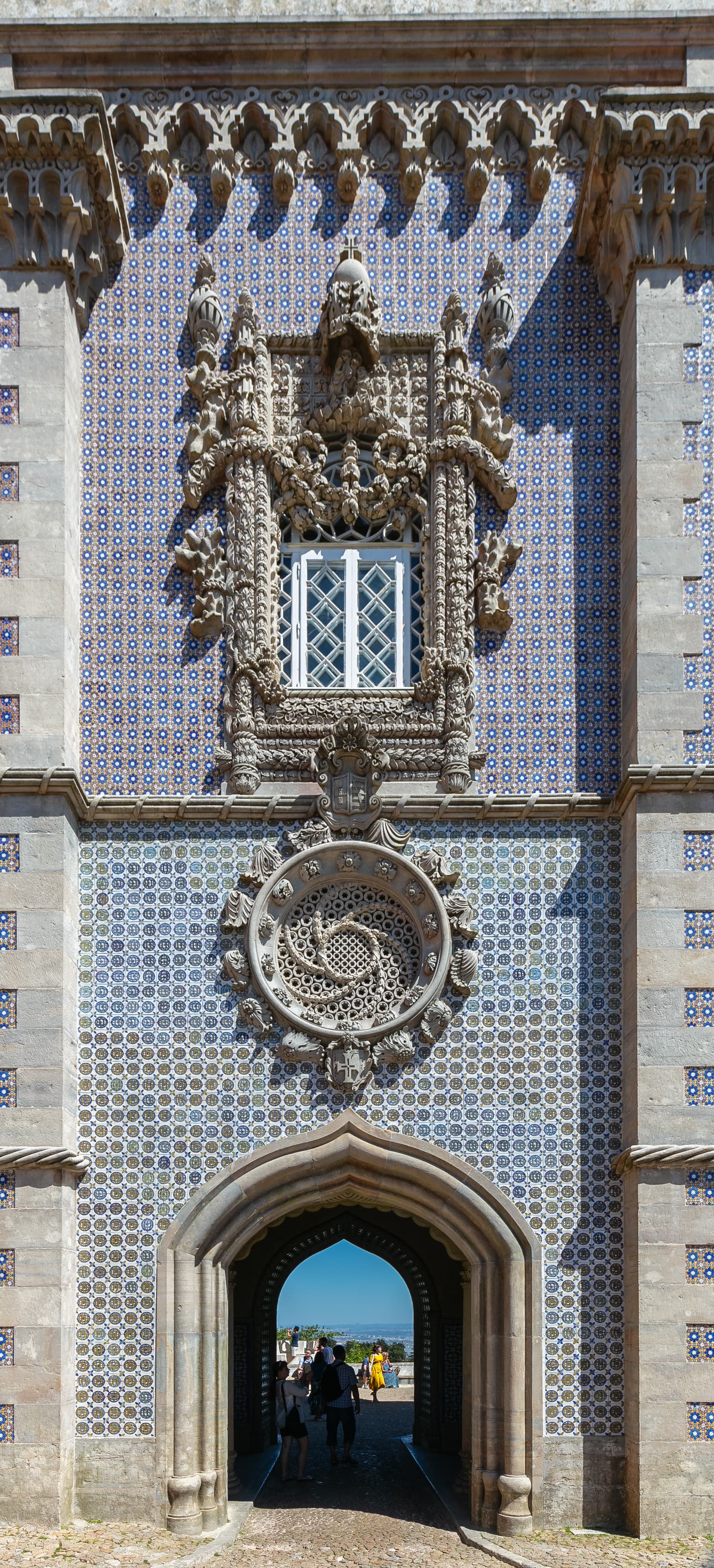
Sintra earns its reputation: palaces, wooded hills, dramatic views, and one of the clearest contrasts to central Lisbon. It is also the day trip most likely to be underestimated. Between the Rossio departure, local transport once you arrive, ticket timing, crowds, and the temptation to do too much, Sintra rarely feels casual. Go because you genuinely want palaces and romantic-hillside atmosphere, not because you feel obliged to collect Lisbon's default add-on.
Timing note 02
Cascais is the easy win
Cascais is what many travelers actually mean when they say they want a break from the city: straightforward train ride, sea air, lighter walking, and fewer decisions once you get there. It does not have Sintra's grand-sight drama, but that is part of the appeal. If your Lisbon trip already includes hills, lines, and heavy sightseeing days, Cascais can feel like the healthier contrast.

Timing note 03
Choose specialist trips for longer stays
Óbidos, Arrábida, Sesimbra, Évora, and wine-focused outings can be excellent, but they work best when you have enough time that the day outside Lisbon is additive rather than cannibalizing the city. These are not wrong choices for a first trip. They are just weaker default recommendations unless the theme really fits you. The more tailored the outing, the more it helps to know why you want it.
Timing note 04
Do not force a day trip into a short trip
If you only have two or three days in Lisbon, the best day trip may be no day trip at all. Many visitors rush Alfama, skip a slower Belém day, or barely enjoy Chiado because they assumed leaving the city was part of the correct itinerary. A day trip should make the trip feel richer, not thinner. If you already feel pressed, staying in Lisbon is often the smarter and calmer call.
Timing note 05
When a tour is worth it
A tour makes sense when it removes the part of the day that would otherwise be annoying: awkward transport chains, timed-entry stress, or multi-stop routing that would be clumsy independently. Sintra plus Cabo da Roca plus Cascais is the classic example. You can do it alone, but a good tour may spare you a lot of waiting and backtracking. For a simple Cascais day, independent train travel is often easier than paying for structure you do not need.

Timing note 06
Do not steal time from Lisbon too early
It is usually wiser to learn Lisbon first and leave the day trip for later in the stay. Once you know whether you still want more old-city wandering, more riverfront time, or a lighter pace, the right excursion becomes clearer. This matters especially with Sintra, because many travelers book it automatically and then wish they had used that energy elsewhere. Lisbon becomes easier to edit in real time once the city itself makes sense.
Timing note 07
Use this guide when you need one Lisbon day trip, not a bucket list
This page is most useful when you are trying to choose one meaningful day outside Lisbon rather than ranking every option forever. It is about matching the outing to your energy, your hotel base, and the kind of day you want to have. The best choice is not the most famous one. It is the one you are still happy you took when you get back tired in the evening.
Timing note 08
Match the day trip to the station, meeting point, and energy curve
Sintra rewards central stays near Rossio and an early start. Cascais rewards a simple route to Cais do Sodré and a mood that wants coast over palace logistics. Many guided trips leave from Restauradores, Marquês de Pombal, or hotel pickup points that sound central until you realize your own hotel still sits uphill or across a transfer. Check the first hour carefully. If the day starts annoyingly, the excursion has to work much harder to feel worth it.
Timing note 09
Day-trip mistakes that turn Lisbon side trips into slog days
The biggest mistake is choosing based on headline photos instead of how the day will actually unfold. Sintra can become a queue-and-bus day if poorly planned. Cheap multi-stop tours can turn into long stretches of driving with only brief scenic payoff. Independent trips can also go sideways if you underestimate the final transfer from the station to the actual sight. Read the route, not just the title.
Timing note 10
If Sintra feels too heavy, choose the easier contrast day
Cascais is usually the smartest fallback because it gives you Atlantic air, a clean train route, and a genuine sense of getting away without making the day feel like work. Belém can also fill the “different from central Lisbon” slot if what you really need is a west-side outing, not a full departure from the city. For longer stays, a driver-led Arrábida or wine-country day can be a better use of energy than forcing the standard answer.