
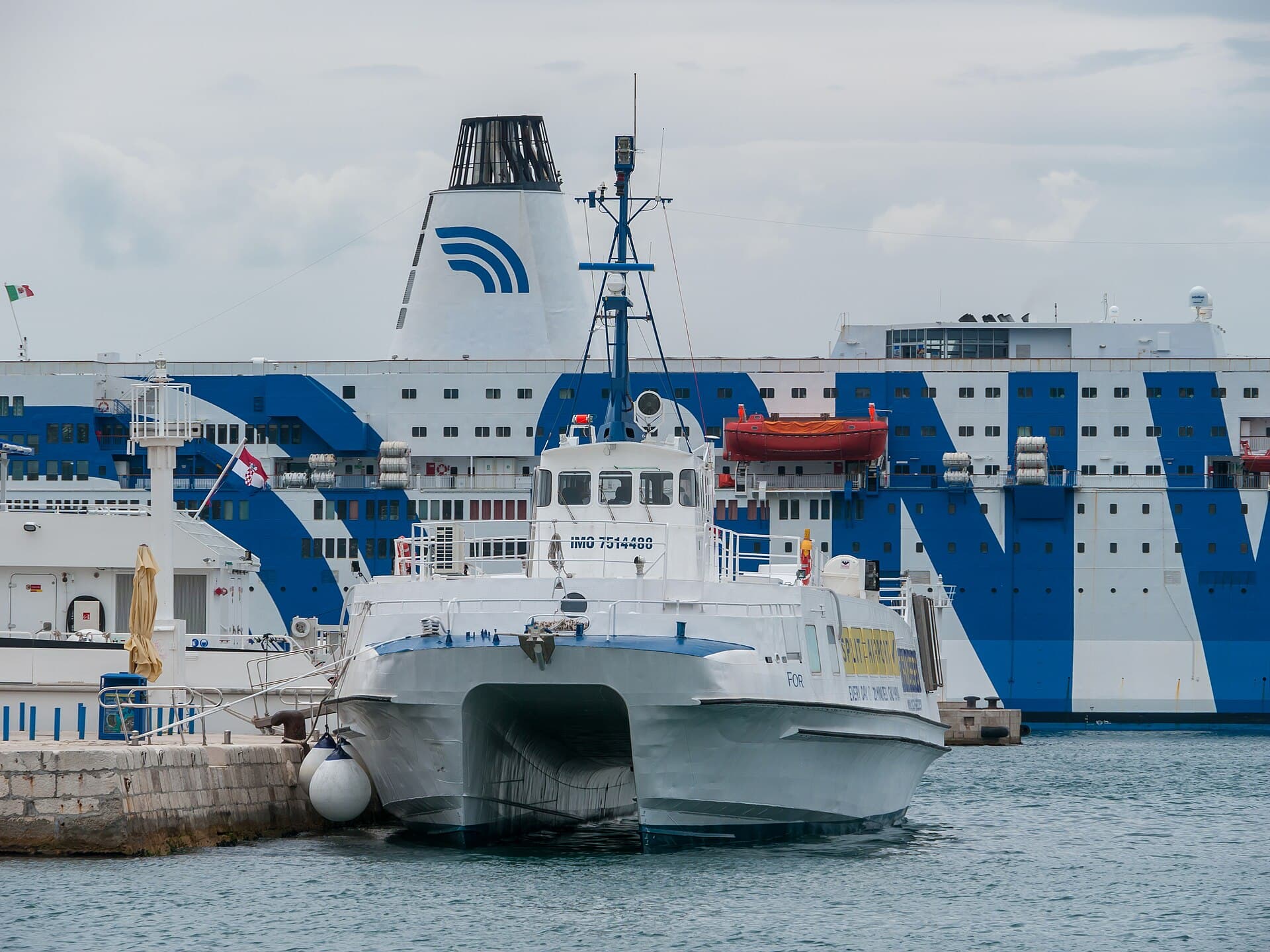
Three days is enough for Split if you stop treating every nearby island, national park, beach, and viewpoint as mandatory. The city works best when you cluster the palace core and waterfront first, then use the remaining time for either Marjan and the beaches or one carefully chosen excursion. Most rushed Split trips go wrong for the same reason: they look compact on the map, then lose hours to heat, ferry timing, and backtracking between the Riva, old town, Bačvice, and out-of-town pickups. This plan keeps the classic first visit intact while leaving enough slack for the trip to still feel like a holiday.
Map context
Split 3-day itinerary map
Plot the main sight clusters, optional tour anchors, and neighborhood pivots that shape a smart 3-day route through Split.
Diocletian's Palace
Split
landmarkDay-one anchor for understanding the city core.
Open Diocletian's Palace in Google MapsSaint Domnius Cathedral
Split
landmarkCentral palace-core stop that fits naturally into the first orientation loop.
Open Saint Domnius Cathedral in Google MapsRiva
Split
landmarkWaterfront spine that helps connect the old town to the ferry-port side and evening plans.
Open Riva in Google MapsMarjan Hill
Split
landmarkBest used as a dedicated west-side half-day rather than a quick add-on.
Open Marjan Hill in Google MapsBačvice Beach
Split
beachUseful for a lighter east-side day or a city-beach break without leaving Split.
Open Bačvice Beach in Google MapsTrogir
Trogir
landmarkSimplest heritage-focused add-on if you want one day beyond Split itself.
Open Trogir in Google MapsMain Bus Station and Ferry Port
Split
transportImportant transfer anchor for tours, ferries, and airport logistics that can shape day-three decisions.
Open Main Bus Station and Ferry Port in Google Maps
Bookable ideas
Tours and activities to compare
Use these as a starting point, then verify the meeting point, cancellation terms, group size, and recent reviews before booking.
Split Old Town walking tour
Walking tour
2–3 hours- Best for
- First-timers who want the palace and old lanes to make sense early in the trip.
- Why book
- A good guide can turn the palace from a maze of pretty stone into a coherent city story that improves every later wander.
- Watch out
- Try to book it for a cooler morning or evening slot rather than the hottest middle of the day.
Blue Lagoon or nearby island boat day
Boat excursion
Half day to full day- Best for
- Travelers who want water time without self-planning multiple ferry decisions.
- Why book
- It is one of the easiest ways to use Split's harbor advantage if you want a sea day but do not want the logistics burden.
- Watch out
- Sea conditions, port crowding, and the transfer rhythm can make these outings feel longer and busier than the marketing copy suggests.
Krka National Park day trip from Split
Nature day trip
Full day- Best for
- Visitors who want an inland contrast and do not want to rent a car for it.
- Why book
- It gives you a very different visual rhythm from the coast and can be the right call if you want one bigger contrast day.
- Watch out
- Read the real breakdown of transport time versus park time before booking, because some itineraries are more bus-heavy than they first appear.
Split food and wine walk
Food tour
3–4 hours- Best for
- Travelers who want dinner, local framing, and an easy evening plan wrapped together.
- Why book
- This can work especially well on day two, once you know the city layout and want a more curated way to spend an evening.
- Watch out
- Many food tours stay heavily in the old-town orbit, so they may feel repetitive if you already spent all day in the same streets.
Trogir or nearby coast half-day tour
Nearby heritage town
4–6 hours- Best for
- Travelers who want an easier add-on than a full national-park or island day.
- Why book
- Trogir complements Split well because it is compact, visually distinct, and easier to fit around the rest of your trip.
- Watch out
- Confident independent travelers may find a self-planned bus transfer almost as easy, so compare convenience against the markup.
Trip planning
Check guided options against the timing in this guide.
Use a tour for the part of Split that is genuinely easier with help — history, food, or a boat day — and keep the rest of the itinerary loose enough to respond to weather and energy.
Browse Split toursExternal partner or booking tool; check locations, terms, and current availability before committing.
Itinerary note 01
How to use this 3-day plan
Treat this itinerary as route logic, not a minute-by-minute schedule. It is built for a first-time visit that wants the palace, waterfront, one greener or beachier side of the city, and the option to add one meaningful bookable experience. In Split, geography matters more than ambitious lists. The palace core, the ferry-port side, Marjan, and the eastern beach districts each pull your day in different directions. Grouping them well saves energy, especially in hotter months when an extra cross-town walk feels bigger than it looks online.
Itinerary note 02
Day 1: get the old town and waterfront into your muscle memory
Start with Diocletian's Palace, the Cathedral of Saint Domnius area, and the Riva. Day one should make the city legible, not exhaustive. Wander enough of the palace lanes to understand where the Roman core opens onto the waterfront, where the main restaurant strips sit, and how close the ferry-port side actually is to the center. If you still have energy, drift toward the edge of Veli Varoš for a softer contrast to the busiest old-town streets. The goal is to leave the first afternoon knowing how the city fits together, because that will make every later decision easier, from dinner to whether a tour meeting point feels convenient or annoying.
Itinerary note 03
Day 1 evening: keep dinner simple and stay central
On your first night, resist the urge to turn dinner into a full transport project. Stay near your day-one route or your hotel base and use the evening to notice what kind of Split energy you actually enjoy: palace lanes, the Riva at sunset, or the beach-and-bars side of town around Bačvice. This small read matters. It often tells you whether day three should stay city-focused or become your excursion day. It also helps you avoid booking later evenings in the wrong district for your actual mood or energy level.
Itinerary note 04
Day 2: choose the city-side day — Marjan and museums, or beach-and-neighborhood time
Make day two your deeper city day. A good version starts earlier and leans west toward Marjan, Sustipan, or the Meštrović Gallery if you want views, greenery, and a break from the old core. Another good version leans east toward Bačvice and Firule if you want a lighter day with sea access and slower pacing. What matters is committing to one side of town instead of crisscrossing both. Split rewards coherent half-days. If you try to force Marjan, a long lunch, a museum, beach time, and a formal evening plan into one day, the city can start to feel like a series of transfers rather than a place.
Itinerary note 05
Day 2 evening: this is the best slot for one curated experience
If you want to book something guided, day two evening is usually the sweet spot. By then you know whether a walking tour, food tour, or sunset-style experience adds context you are still missing or merely repeats what you have already figured out. A palace or old-town tour works especially well if you want the stories behind the stones after already seeing the layout on your own. A food-and-wine style experience can also make sense here because it solves one dinner decision while adding local framing. The point is to pick one experience that deepens the trip, not to fill every open slot.
Itinerary note 06
Day 3: decide whether Split itself or one excursion deserves the final day
Day three is where most travelers overreach. If you still feel fresh and there is one outside-the-city priority you genuinely care about, this is the cleanest day for it. Trogir is the easiest heritage add-on because it gives you a distinct change of scene without automatically taking over the whole day. A boat trip, Krka day trip, or island-focused outing can also work, but only if you accept the earlier start, transfer friction, and weather dependence that come with them. If the first two days were hot or busy, do not underestimate the value of staying in Split for a market stop, one more palace pass at quieter hours, and a slower afternoon by the water.
Itinerary note 07
When to book tours versus when to stay flexible
Book the experience that is hardest to replicate on your own, not the ones you could decide casually once you arrive. In Split, that usually means a limited-capacity boat day, a specific food tour you care about, or a guided walk if you know you want historical context. Keep the city-core wandering flexible. Weather, sea conditions, and your own energy can change the quality of a day fast on the Dalmatian coast, so the best three-day trip usually has one anchored activity and several movable pieces around it.
Itinerary note 08
How to adjust this itinerary for different trip styles
Fast movers can use early mornings for the palace and hottest hours for lunch or a museum, then save beaches or viewpoints for later in the day. Slower travelers should happily drop one lower-priority sight and replace it with a long meal, a harbor pause, or a repeat walk through the old center at a better hour. Families or travelers with older relatives usually do better by minimizing slopes, stairs, and multi-stop days. If you are here mainly for sea time and atmosphere, let the itinerary bend toward Bačvice, Firule, and the Riva instead of pretending every museum stop is compulsory.
Itinerary note 09
Mistakes that make a 3-day Split trip feel rushed
The biggest mistake is acting as if Split, Trogir, Krka, island hopping, and multiple beaches all comfortably fit into three days. They usually fit on paper, not in a relaxed trip. Another mistake is underestimating midday heat and the time cost of getting to tour departure points or the ferry port. A third is making every evening a reservation-led commitment before you know which part of the city you actually enjoy most. The calmer version of Split is almost always the better version: fewer transfers, fewer promises to keep, and more room to follow the city once it starts making sense.