The best Lisbon neighborhood depends less on what sounds coolest and more on what kind of trip you are actually taking. Baixa and Chiado are easiest for most visitors. Alfama and Graça give you the strongest old-city feeling, but with real hill and access tradeoffs. Príncipe Real is polished and calmer. Cais do Sodré and Bairro Alto suit travelers who want the city to stay awake after dark. Lisbon is compact, but it is not frictionless: slope, tram bottlenecks, slippery calçada, and nightlife spillover matter more here than many city guides admit.
Good fit if…
- • travelers choosing between convenience and atmosphere
- • first or second Lisbon trips
- • people comparing central neighborhoods rather than hotels
Skip it if…
- • you only want beachfront areas
- • you need a resort with parking and pools as the main priority
Map context
Best Lisbon neighborhoods to stay map
Use this map to compare flat central bases, atmospheric hill neighborhoods, nightlife corridors, and the station anchors that shape how Lisbon actually works day to day.
Baixa
Central Lisbon
neighborhoodBest all-purpose first base for flat walking and low-friction transport.
Open Baixa in Google MapsChiado
Central Lisbon
neighborhoodMore atmospheric central alternative with cafés, dining, and a bit more slope.
Open Chiado in Google MapsAlfama
Historic Lisbon
neighborhoodOld-quarter atmosphere at its strongest, with real access and hill tradeoffs.
Open Alfama in Google MapsCais do Sodré
Riverfront Lisbon
transportTrain, ferry, and nightlife hub that can be brilliant or too lively depending on your trip.
Open Cais do Sodré in Google MapsHotel da Baixa
Baixa
hotelSample stay for the easiest central-Lisbon strategy.
Open Hotel da Baixa in Google MapsMemmo Príncipe Real
Príncipe Real
hotelSample stay for travelers choosing style and a calmer mood over flat efficiency.
Open Memmo Príncipe Real in Google Maps
Specific hotel picks
Hotels worth comparing first
These are real, central options to start your search. We do not show live rates or availability here, so use the links to verify the exact room, cancellation terms, taxes, and recent guest notes.
Hotel da Baixa
Baixa
Upper-midrange- Best for
- First-time visitors who want the easiest sightseeing and station base.
- Location note
- Flat access to Baixa-Chiado, Rossio, and Praça do Comércio.
- Why stay
- It represents the low-friction Lisbon strategy better than almost any abstract neighborhood description can.
- Watch out
- Even a strong Baixa hotel should still be checked for room-facing noise on busy central streets.
Memmo Príncipe Real
Príncipe Real
Upscale boutique- Best for
- Couples who want restaurants, style, and a calmer mood than the nightlife-heavy center.
- Location note
- Walkable to Chiado and Bairro Alto, but with more elevation than Baixa.
- Why stay
- A good example of choosing neighborhood feel over raw efficiency without drifting too far from the center.
- Watch out
- It is a mood-first pick, not the best answer if luggage ease and flat daily movement are top priority.
Memmo Alfama
Alfama
Upscale boutique- Best for
- Travelers who want the old-quarter atmosphere to shape the whole stay.
- Location note
- Closer to viewpoints and castle routes than to flat metro-heavy movement.
- Why stay
- Shows the upside of choosing Alfama deliberately rather than as a generic “best neighborhood” answer.
- Watch out
- Only book it if you already know the hills and access quirks sound acceptable, not surprising.
LX Boutique Hotel
Cais do Sodré
Upper-midrange- Best for
- Travelers who want riverfront access, trains, and more active evenings.
- Location note
- Near Cais do Sodré station and useful for Cascais, ferries, and central riverfront movement.
- Why stay
- A smart fit when your Lisbon plan includes day trips, late dinners, and a base that stays lively after dark.
- Watch out
- Livelier context is the point here, so it is not the right choice for light sleepers craving a serene block.
EPIC SANA Lisboa
Avenida / Marquês de Pombal side
Upscale- Best for
- Travelers who want a larger full-service hotel with easier car access and simpler airport logic.
- Location note
- North of the postcard core but well connected by metro and taxis.
- Why stay
- Useful when your idea of a good base includes roomier facilities, calmer nights, and fewer old-building compromises.
- Watch out
- You give up the step-out-into-historic-lanes feeling that some travelers value most.
Trip planning
Compare stays against the neighborhood tradeoffs here.
Use these hotels to compare the main Lisbon base strategies: flat and efficient, stylish and central, hilltop and atmospheric, nightlife-linked, or larger-hotel practical.
Search Lisbon hotelsExternal partner or booking tool; check locations, terms, and current availability before committing.
Area tradeoff 01
Baixa: easiest all-purpose base
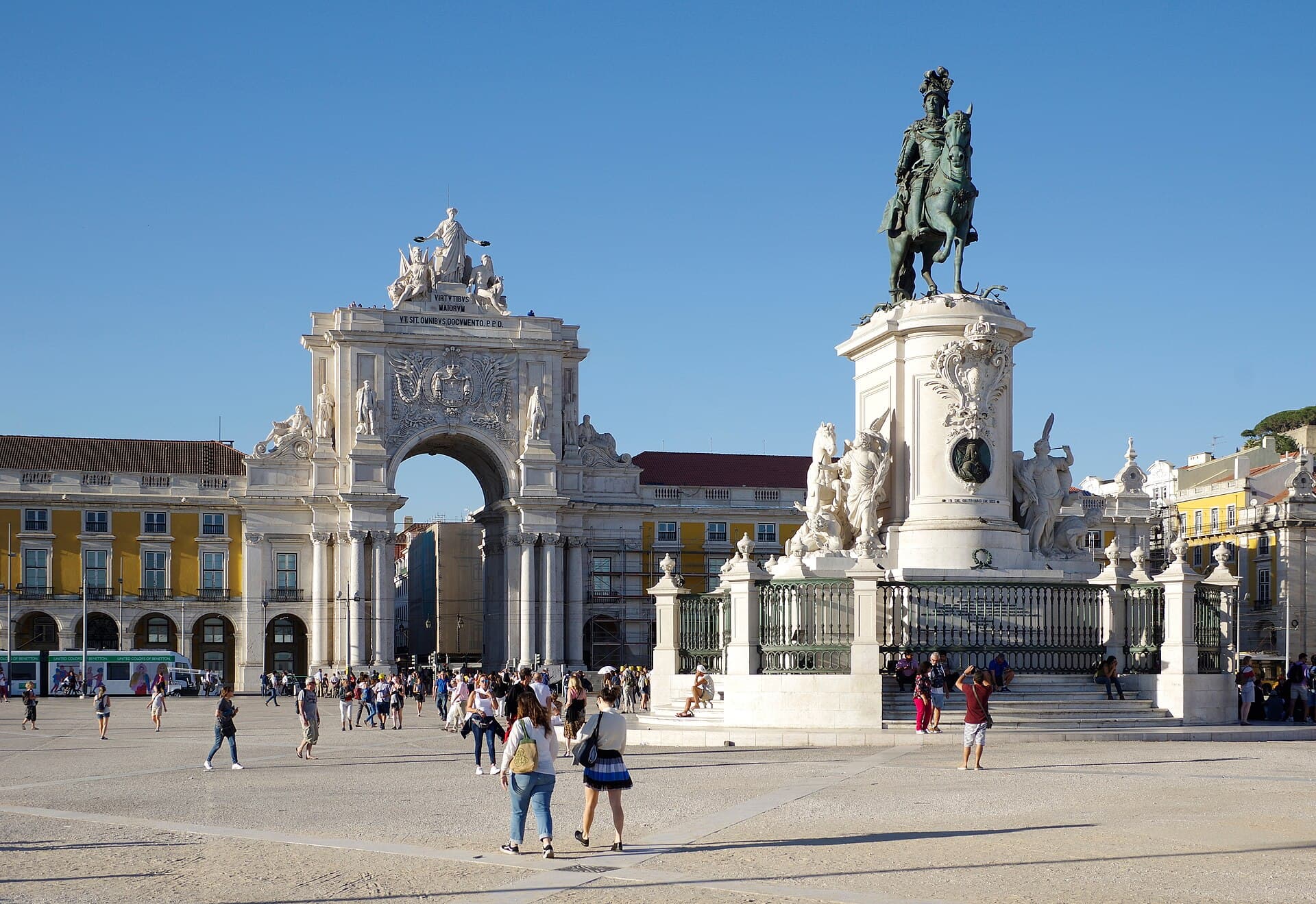
Baixa is the default answer because it solves the most problems at once. The streets are flatter, the layout is legible, and major sights, metro connections, Rossio, and the riverfront all feel close in a practical way. It is not the most romantic part of Lisbon, but on a first or short trip it often ends up being the most relaxing because it removes so much low-level friction.
Area tradeoff 02
Chiado and Príncipe Real: polished, central, and more atmospheric
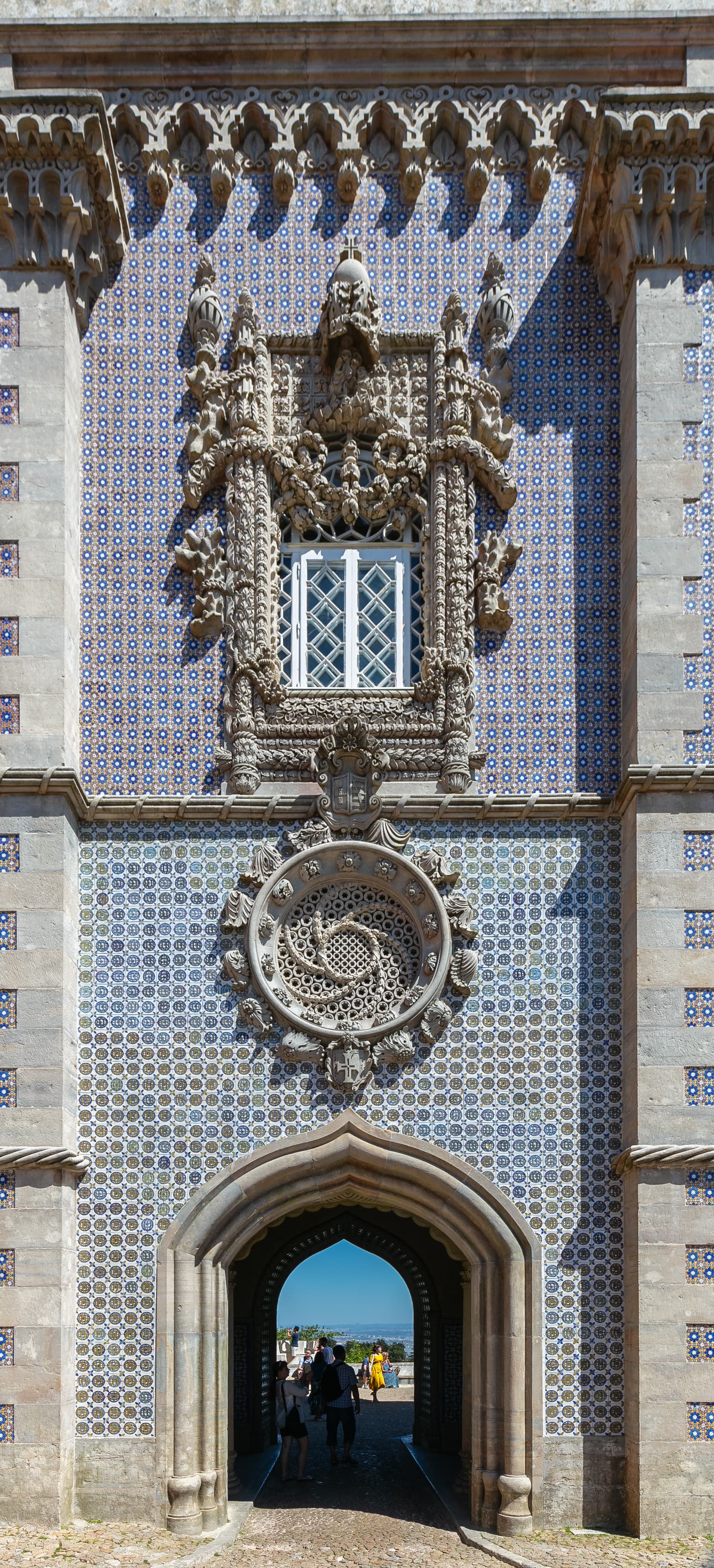
Chiado is central Lisbon with more personality: cafés, shops, restaurants, Carmo, and a nicer sense of lingering between plans. Príncipe Real sits just above it with a more residential, design-led feel and slightly calmer nights on the right block. Both are strong for couples, return visitors, and travelers who want central Lisbon to feel more characterful than purely functional Baixa. The tradeoff is more slope and often a little more price pressure.
Area tradeoff 03
Alfama and Graça: historic character with real tradeoffs
These are the neighborhoods for travelers who want old Lisbon texture to be part of daily life, not just something they visit for two hours. Expect viewpoints, stair-stepped lanes, older buildings, and stronger sense-of-place rewards. Also expect climbs, awkward luggage moments, and slower returns after dinner or a day trip. They are wonderful when chosen deliberately and annoying when chosen by accident.
Area tradeoff 04
Bairro Alto and Cais do Sodré: good fun, choose the street carefully
These districts make sense when nightlife, restaurant density, and late finishes are central to the trip. The upside is obvious: you can stay out without making the return home a project. The downside is just as obvious once you try to sleep. Some blocks are lively in a fun way; some are loud in a wear-you-down way. Read location reviews specifically for nighttime reality, not just daytime convenience.
Area tradeoff 05
How long you stay changes the answer
On a two-night stay, convenience usually wins. Baixa, Chiado, or Avenida help you spend less time troubleshooting movement and more time seeing the city. On a longer stay, atmosphere becomes easier to justify because you have time to absorb slower routes and build in rest. That is when Príncipe Real, Alfama, or even a more residential edge can make more sense. A longer trip gives you room to enjoy a neighborhood instead of constantly measuring it against logistics.
Area tradeoff 06
Mistakes to avoid when choosing a base
The classic Lisbon mistake is booking the most photogenic lane without checking what the repeated walk will feel like. Another is ignoring how much summer heat and hills amplify small route problems. A third is underestimating nightlife spillover and assuming “central” means restful. Lisbon usually rewards the hotel that makes your common routes easy: airport arrival, day-trip departures, dinners, and the walk home at the end of the night.
Area tradeoff 07
Use this page to narrow Lisbon to two or three realistic bases
This guide is for travelers who are still deciding at the neighborhood level and need something more useful than a generic top-ten list. It helps most before you start comparing individual hotels, because in Lisbon the bigger win is choosing the right terrain and evening mood first. Once you know your two or three realistic neighborhoods, hotel selection gets much easier.
Area tradeoff 08
Choose a neighborhood by the routes you will repeat most
If you expect frequent metro use, Rossio trains, and classic sightseeing loops, Baixa or Chiado usually wins. If you care most about viewpoints, fado, and waking up inside old stone lanes, Alfama or Graça makes more sense. If you want the city to stay social at night, look toward Cais do Sodré or carefully chosen Bairro Alto edges. If you care about larger hotels and easier airport runs, Avenida quietly outperforms trendier areas. Route logic beats neighborhood mythology every time.
Area tradeoff 09
The Lisbon neighborhood mistakes that cost the most time
Travelers often treat all central neighborhoods as interchangeable, but their daily rhythm is very different. Five extra uphill minutes in Lisbon can matter more than a mile of flat walking elsewhere. Noise, stairs, and taxi friction add up fast when repeated. The wrong base can make the city feel tiring. The right base makes Lisbon feel compact, charming, and much easier than its hills suggest.
Area tradeoff 10
If the top Lisbon neighborhoods feel too expensive or too intense
Avenida, Saldanha, and other well-connected northern-central areas can be smarter than forcing a bargain in a scenic but awkward quarter. You may lose some postcard immediacy, but you gain cleaner metro access, easier drop-offs, and often larger rooms. If your real priority is a calmer sleep or simpler airport connection, that trade can be excellent. Visit the steep neighborhoods well; you do not always need to sleep on them.