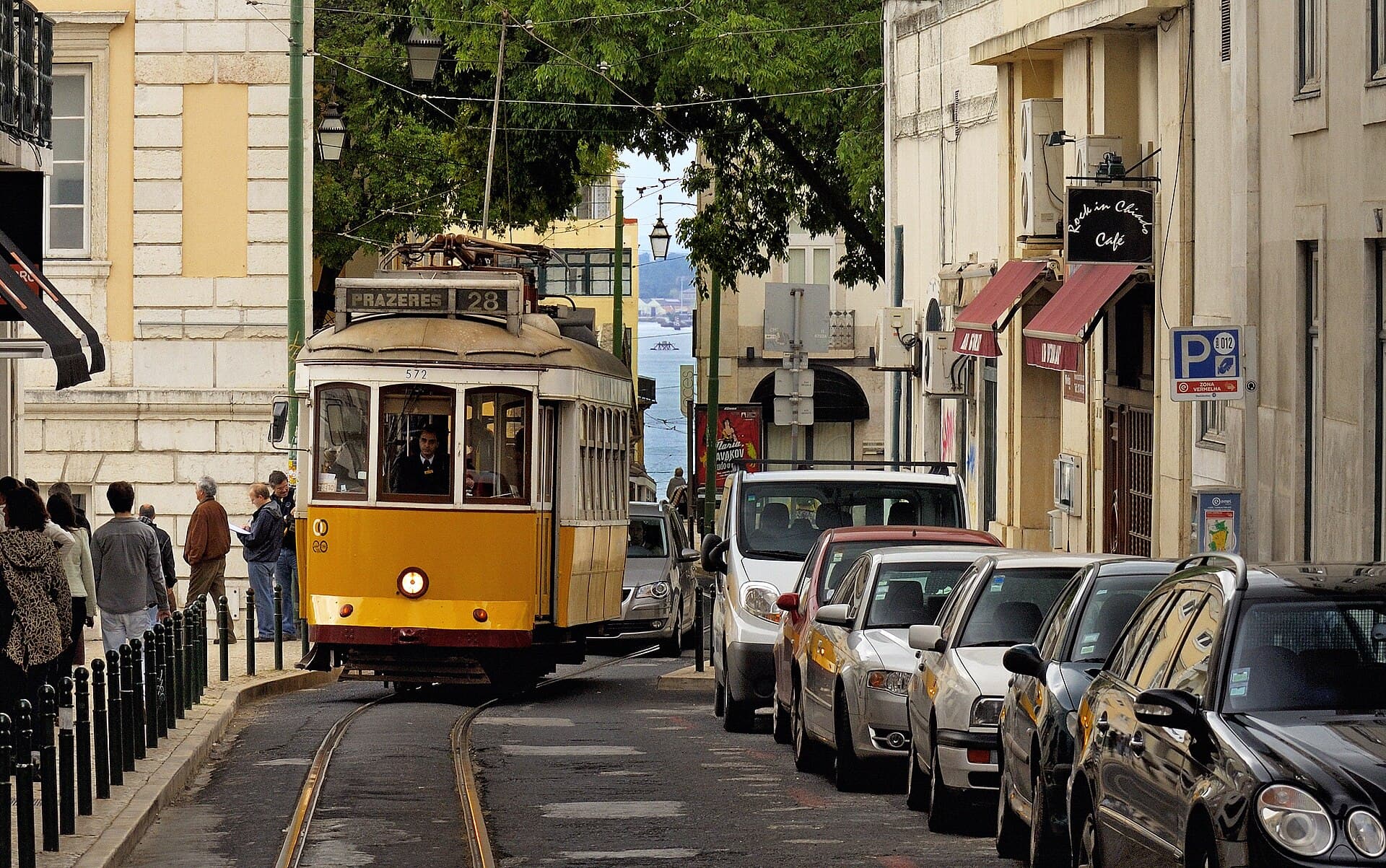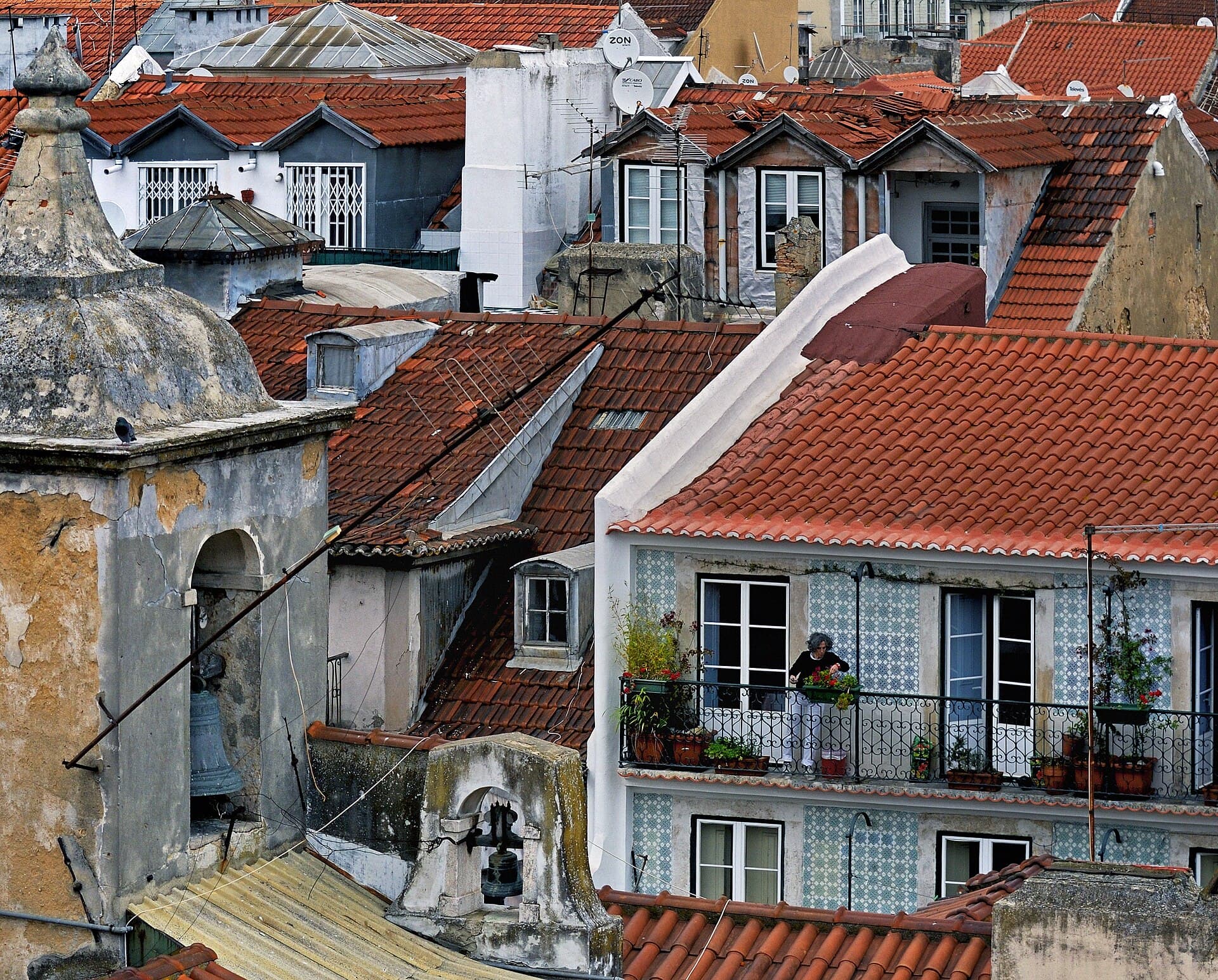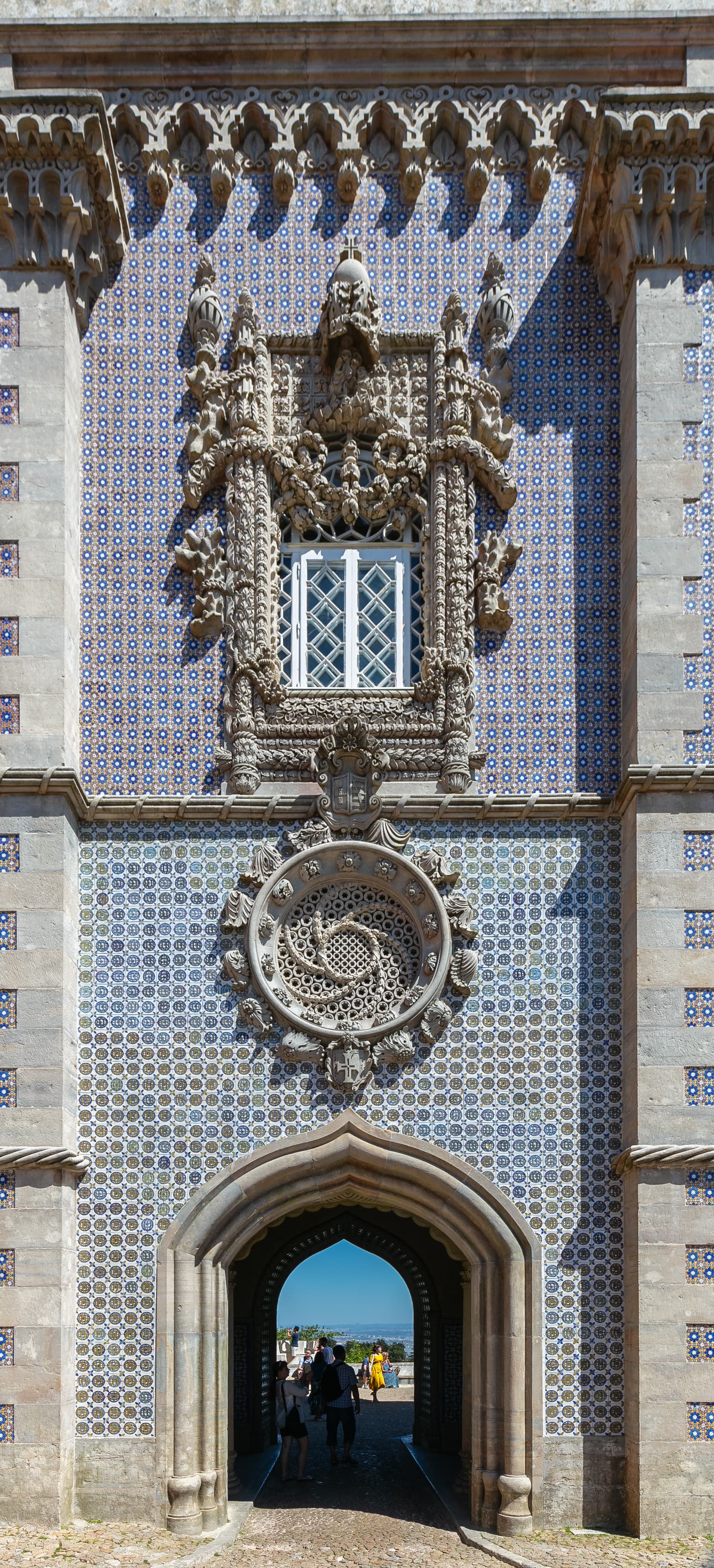
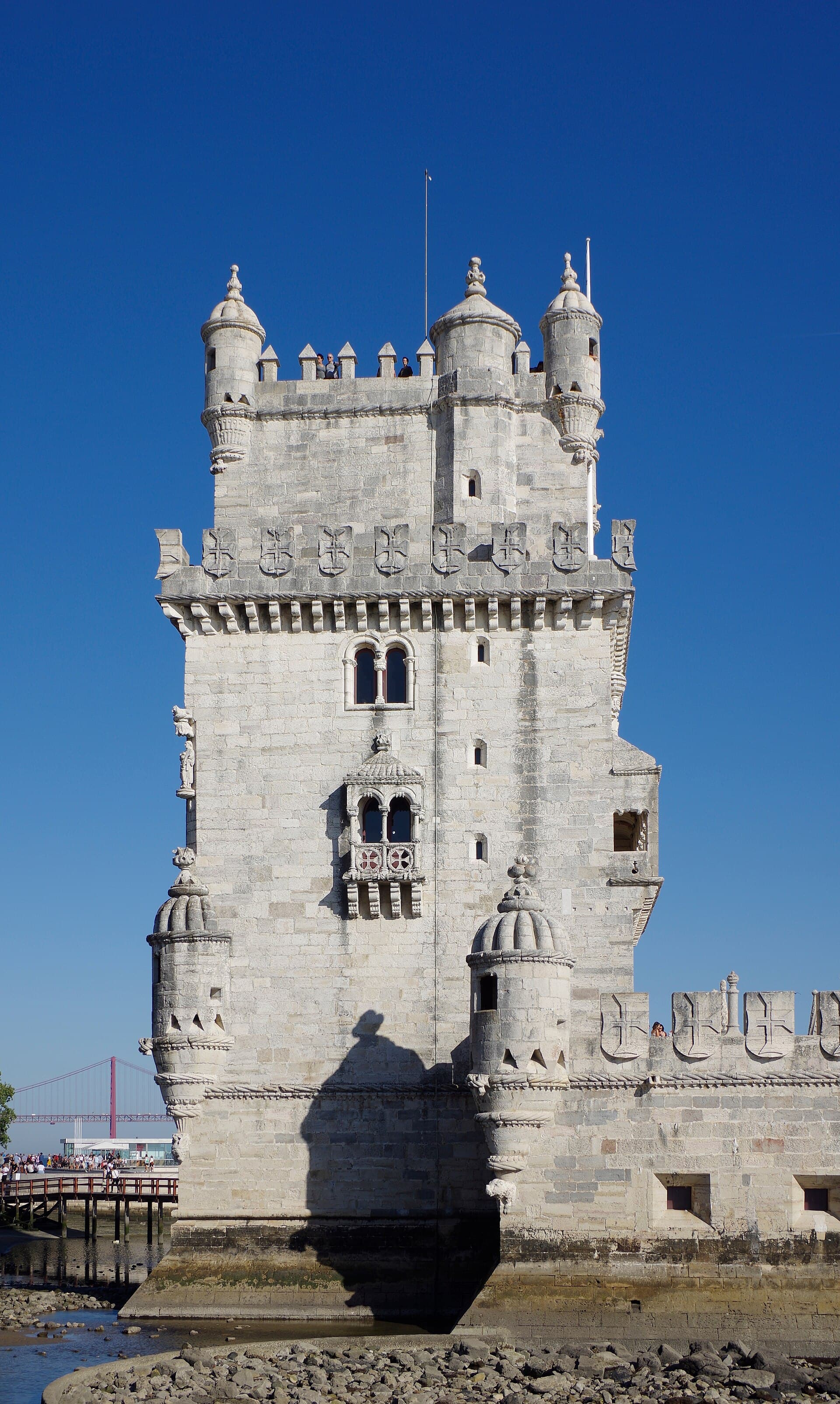
For most first-time visitors, Baixa or Chiado is the easiest Lisbon answer because both help the city make sense quickly. You can reach major sights and transit without much fuss, then branch into Alfama, Bairro Alto, or Belém without turning every day into a navigation project. Alfama is more memorable but less forgiving. Bairro Alto and Cais do Sodré are livelier but noisier. On a first trip, the best base is usually the one that keeps arrival day and the walk home simple, not the one with the strongest postcard effect.
Good fit if…
- • first-time visitors who want an easy sightseeing base
- • travelers splitting time between walking and transit
- • couples or families who care more about convenience than nightlife
Skip it if…
- • you want a beach-style stay or resort feel
- • you only care about nightlife and do not mind noise
- • you specifically want a quiet residential neighborhood
Map context
Where to stay in Lisbon first-time map
Use this map to compare first-trip-friendly bases, hillier atmosphere districts, and the transport anchors that matter most for airport arrival and day trips.
Baixa
Central Lisbon
neighborhoodSafest first-trip default for flatter walking and quick orientation.
Open Baixa in Google MapsChiado
Central Lisbon
neighborhoodCentral but more atmospheric alternative if you want a stronger café-and-evening feel.
Open Chiado in Google MapsAlfama
Historic Lisbon
neighborhoodMemorable first-trip option only when you actively want the tradeoffs that come with it.
Open Alfama in Google MapsRossio Station
Central Lisbon
transportKey rail anchor for Sintra and a useful test of whether your first base is truly practical.
Open Rossio Station in Google MapsHotel da Baixa
Baixa
hotelExample of a low-friction first-time stay.
Open Hotel da Baixa in Google MapsCorpo Santo Lisbon Historical Hotel
Cais do Sodré edge
hotelExample of a base that adds riverfront and rail flexibility without pushing deep into nightlife.
Open Corpo Santo Lisbon Historical Hotel in Google Maps
Specific hotel picks
Hotels worth comparing first
These are real, central options to start your search. We do not show live rates or availability here, so use the links to verify the exact room, cancellation terms, taxes, and recent guest notes.
Hotel da Baixa
Baixa
Upper-midrange- Best for
- First-timers who want easy walking days and the least stressful central logistics.
- Location note
- Flat walks to Rossio, Praça do Comércio, and the Baixa-Chiado metro area.
- Why stay
- A strong first-trip default because it makes Lisbon feel readable from the first afternoon.
- Watch out
- Central convenience can come with street activity, so room placement still matters.
Lisboa Pessoa Hotel
Chiado / Carmo
Upscale- Best for
- Travelers who want their first Lisbon stay to feel a little more stylish without giving up centrality.
- Location note
- Easy access to Chiado restaurants and downhill routes into Baixa.
- Why stay
- A good fit when you want the more polished city-break side of Lisbon rather than the flattest possible setup.
- Watch out
- There is enough slope here that very logistics-sensitive travelers may still prefer Baixa.
Corpo Santo Lisbon Historical Hotel
Cais do Sodré edge
Upscale- Best for
- Visitors who want central access plus strong train, ferry, and riverfront flexibility.
- Location note
- Close to Cais do Sodré and walkable into Baixa and Chiado.
- Why stay
- Smart for first-timers who want day-trip options and easy evening movement without sleeping deep in the old hills.
- Watch out
- The area feels busier and more movement-heavy than a tucked-away boutique block.
Memmo Alfama
Alfama
Upscale boutique- Best for
- First-timers who know the trip should feel atmospheric first and efficient second.
- Location note
- Closer to viewpoints and castle routes, but less flat and less forgiving for repeated returns.
- Why stay
- A good illustration of the upside of old Lisbon when you deliberately want the neighborhood itself to shape the trip.
- Watch out
- Not ideal if you are still unsure whether hills and access quirks will charm or annoy you.
EPIC SANA Lisboa
Avenida / Marquês de Pombal side
Upscale- Best for
- Travelers who want a calmer, larger hotel with easier airport logic on a first trip.
- Location note
- North of the historic core but well connected by metro and taxis.
- Why stay
- Useful when your first Lisbon trip mixes sightseeing with a preference for roomier, more conventional hotel comfort.
- Watch out
- You give up some of the immediate old-city atmosphere outside the door.
Trip planning
Compare stays against the neighborhood tradeoffs here.
Use these first-trip picks to compare airport ease, day-trip access, and whether a more atmospheric stay is actually worth the extra slope, noise, or luggage friction.
Search Lisbon hotelsExternal partner or booking tool; check locations, terms, and current availability before committing.
Area tradeoff 01
Best first base: Baixa or Chiado for the least friction
If this is your first Lisbon trip and you want the city to feel easy quickly, start with Baixa or Chiado. Baixa is flatter and more practical. Chiado is almost as convenient but more atmospheric and restaurant-led. Both put you close to the center, with good access to metro, trams, Rossio, and enough walkable sights that you can learn the city without fighting it.
Area tradeoff 02
Choose Alfama for character, not convenience
Alfama is one of Lisbon's most memorable places to stay, but it is not the most forgiving first-time base. The lanes, views, and old-city mood are the whole point, yet the same features also mean stairs, uneven paving, and trickier taxi or luggage moments. If the atmosphere matters enough to justify that effort, it can be a brilliant first stay. If you mostly want smooth sightseeing days, it is usually smarter to visit Alfama well and sleep somewhere easier.
Area tradeoff 03
Pick Bairro Alto or Cais do Sodré if evenings matter most
These areas work best when nightlife, late dinners, and social energy are central to the trip. They are not bad first-time bases, but they are specialized ones. The upside is easy evenings. The downside is that easy evenings can become harder mornings if the exact street is loud. Book them because you genuinely want that tradeoff, not because they happen to sit near the center on the map.
Area tradeoff 04
Do not ignore Lisbon's hills and pavement
Many first-timer guides mention the hills and then move on too quickly. They matter. Lisbon's calçada can be slippery, summer heat makes climbs feel bigger, and a hotel that looks central may still be annoying with luggage or tired legs. If you are traveling with small kids, older relatives, or simply a low appetite for unnecessary effort, flatter beats prettier more often than people like to admit.
Area tradeoff 05
Best answer by trip style
For a sightseeing-first trip, choose Baixa or Chiado. For a romantic or mood-led trip, Chiado, Príncipe Real, or lower-edge Alfama can be excellent. For nightlife, look toward Bairro Alto or Cais do Sodré and book carefully for noise. For families or mobility-sensitive trips, prioritize reception, lift access, taxi-friendly streets, and a realistic walk to transit over any romantic idea of the oldest quarter.
Area tradeoff 06
What to check before booking
Check the exact block, the final walk from the nearest metro or taxi stop, whether the building has a lift, and what recent guests say about noise, air-conditioning, and entrance access. Lisbon's best neighborhoods are close together, so the difference between a smart booking and a frustrating one often comes down to details the neighborhood name does not reveal.
Area tradeoff 07
This guide is for first-time visitors choosing ease versus atmosphere
If you are staring at a hotel map and several Lisbon districts all sound equally central, this page is meant to narrow the decision. The real choice is whether you want a base that makes the city easy automatically or whether you are happy to spend more effort for stronger old-city character. On a first trip, choosing ease is often the choice that gives you more of Lisbon, not less.
Area tradeoff 08
The first-time Lisbon booking routes worth checking before you pay
Map the airport arrival, the walk to Rossio or Baixa-Chiado, the likely route back after dinner, and one day-trip departure if Sintra or Cascais is on the list. Baixa and Chiado usually keep those repeated patterns smooth. Alfama can turn each one into more of an event. That may be worth it, but a first-time booking should make that trade with open eyes.
Area tradeoff 09
The first-timer mistakes that make Lisbon feel harder than it is
The usual mistake is overpaying for the most atmospheric quarter and underpaying attention to logistics. Another is choosing a nightlife block without reading for noise. A third is forgetting that central Lisbon hotels vary enormously in lift quality, street access, and room soundproofing. Your first trip improves when you choose the base that makes repetition easy.
Area tradeoff 10
If the standard first-time areas are not the right fit
Avenida da Liberdade is a strong fallback when you want calmer nights, bigger hotels, and easier vehicle access without losing the center. Príncipe Real works if you want style and restaurants more than flat ground. A well-connected stay slightly north of the absolute center can also beat a badly placed room in a supposedly perfect neighborhood. First-timers do not need the postcard center at all costs. They need a base that keeps Lisbon from feeling harder than it is.