
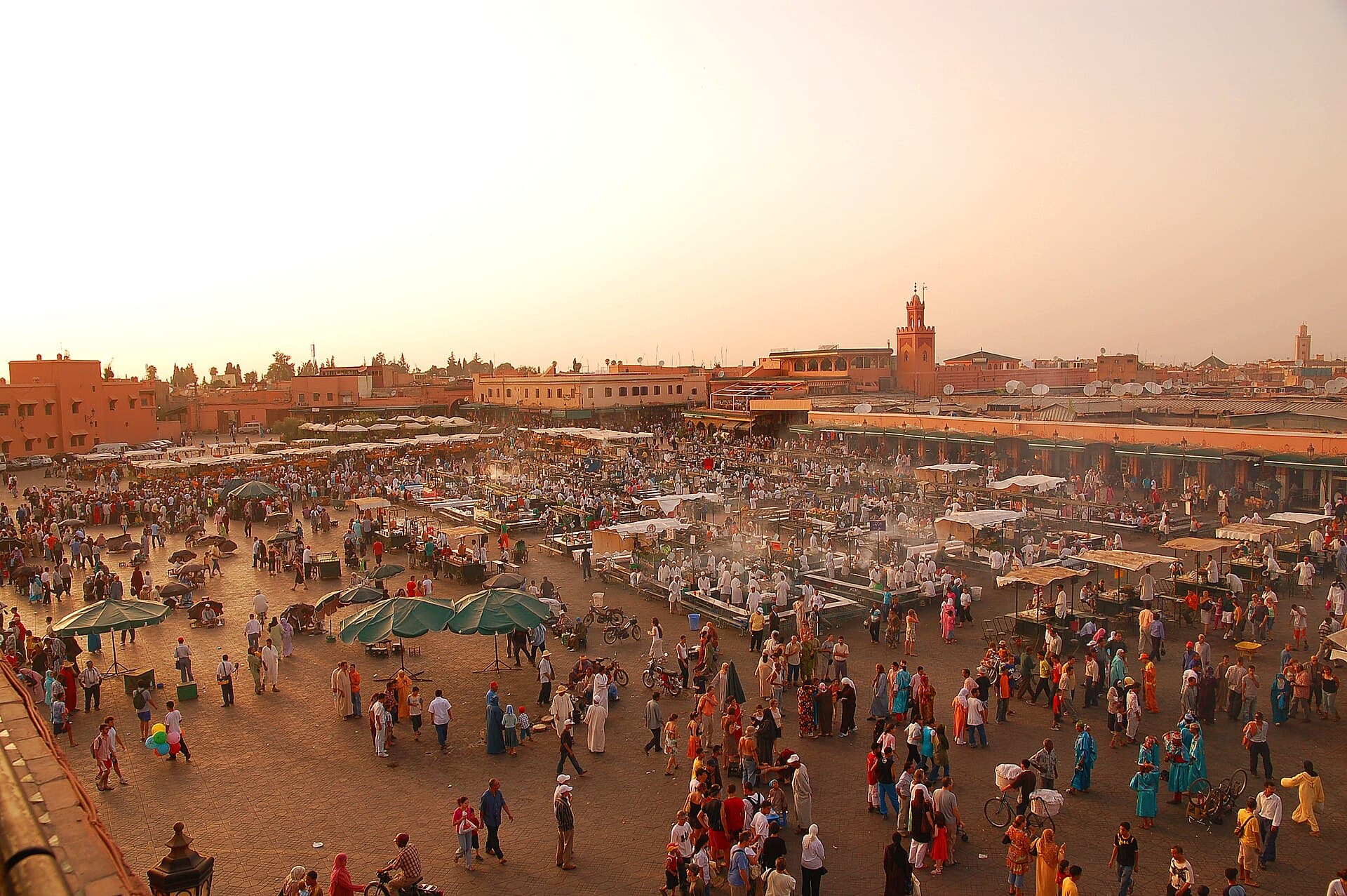
Three days in Marrakech is enough for a very good first trip if you stop trying to conquer the city in one sweep. The smartest plan respects heat, medina navigation, and the fact that garden visits, palace interiors, and souk wandering ask for different kinds of energy. This itinerary keeps the first day light, uses the second day for the densest classic sightseeing, and leaves day three flexible enough for either a modern-city counterpoint or one carefully chosen excursion.
Good fit if…
- • first-time visitors who want a realistic 3-day Marrakech plan instead of a checklist sprint
- • travelers trying to balance medina immersion with heat, taxis, and recovery time
- • people deciding whether gardens, modern Marrakech, or a day trip deserve the third day
Skip it if…
- • you need exact opening-hour scheduling down to the minute
- • you want a day-trip-heavy itinerary more than a city-first Marrakech stay
- • you plan to lock every block in advance regardless of weather or fatigue
Map context
Marrakech 3-day itinerary map
Plot the main sight clusters, garden contrast stops, and optional day-trip pivots for a practical 3-day Marrakech route.
Jemaa el-Fnaa
Marrakech
landmarkBest used as an orientation anchor, not a promise that every route through the medina will stay simple.
Open Jemaa el-Fnaa in Google MapsBahia Palace
Marrakech
landmarkStrong day-two palace stop when you still have fresh morning energy.
Open Bahia Palace in Google MapsKoutoubia Mosque
Marrakech
landmarkUseful edge-of-medina landmark for building your mental map early.
Open Koutoubia Mosque in Google MapsSaadian Tombs
Marrakech
landmarkFits best in the same early block as nearby southern medina sights.
Open Saadian Tombs in Google MapsMajorelle Garden
Marrakech
landmarkBest paired with Gueliz or a broader pace-change afternoon.
Open Majorelle Garden in Google MapsGueliz
Marrakech
landmarkGood counterpoint when you want a break from medina density without leaving the city.
Open Gueliz in Google MapsMedina edge regroup point
Marrakech
transportHelpful reminder that the most useful route decisions often happen at the edge of the maze, not deep inside it.
Open Medina edge regroup point in Google Maps
Bookable ideas
Tours and activities to compare
Use these as a starting point, then verify the meeting point, cancellation terms, group size, and recent reviews before booking.
Medina souks and hidden lanes walking tour
Walking tour
3 hours- Best for
- First-time visitors who want the medina to feel readable before they attempt longer solo wandering.
- Why book
- A good guide turns the souks from sensory overload into a place with logic, landmarks, and more comfortable bargaining context.
- Watch out
- Choose a route that prioritizes orientation and culture over extended shop-stop padding.
Atlas Mountains and Ourika Valley day trip
Day trip
7–9 hours- Best for
- Travelers who know before arrival that they want mountain contrast enough to spend most of day three outside the city.
- Why book
- It is the simplest way to add cooler scenery and rural contrast without negotiating drivers and stops on your own.
- Watch out
- Road time is a real cost on a short stay, so this should be a priority choice, not an automatic add-on.
Marrakech cooking class with market visit
Food experience
4 hours- Best for
- Visitors who want practical food context and a calmer half-day alternative to nonstop landmark chasing.
- Why book
- It gives spices, market rhythms, and Moroccan cooking techniques a useful anchor that carries into the rest of the trip.
- Watch out
- Check whether the experience feels hands-on enough for you and whether transfers are included if your hotel is outside the medina.
Majorelle Garden and Gueliz design route
Cultural tour
3–4 hours- Best for
- Travelers who want a clean way to balance old Marrakech with the more modern, design-conscious side of the city.
- Why book
- It works well when you want the garden visit to fit into a broader neighborhood story rather than feeling like one isolated stop.
- Watch out
- This makes more sense if you actually care about the garden-and-Gueliz contrast, not if you only want to tick off one famous name.
Trip planning
Check guided options against the timing in this guide.
Use a tour for the part of Marrakech that is hardest to self-plan, then keep the easier palace, garden, and neighborhood blocks flexible.
Browse Marrakech toursExternal partner or booking tool; check locations, terms, and current availability before committing.
Itinerary note 01
How to use this 3-day plan
Treat this as route logic rather than a rigid script. Marrakech rewards travelers who batch nearby sights, protect the hottest part of the day, and leave enough slack for getting pleasantly sidetracked in the souks or retreating for mint tea when the pace starts to fray. If you are staying in the medina, build in the time it takes to reach a taxi-worthy edge. If you are in Gueliz, Hivernage, or Palmeraie, accept that classic sights are more deliberate outings. The trip feels better when each day has one clear geographic center.
Itinerary note 02
Day 1: arrive, orient, and make the medina legible
Use the first day to learn how Marrakech works instead of trying to finish it. A gentle loop around Koutoubia, the edge of Jemaa el-Fnaa, and one major sight such as Bahia Palace is usually enough. If you are staying in a riad, factor in the time and mental energy of the first arrival because the last stretch with luggage can be its own event. Keep the day small enough that the souks still feel intriguing rather than exhausting. A good first afternoon should teach you where to re-enter the medina, how the traffic feels, and whether you will want more palace-and-museum time or more wandering tomorrow.
Itinerary note 03
Day 1 evening: stay close to your strongest dinner zone and watch the city change pace
For the first night, do not create extra logistics. Eat near your hotel or in the area that feels easiest after you have checked in and regained your bearings. If you are near Jemaa el-Fnaa, this is the moment to see how the square’s energy feels in real life: exciting for some travelers, too full-on for others. If you are based in Gueliz or Hivernage, enjoy the calmer start and save deep medina evenings for once you know the routes better. The point of the first evening is not to maximize activity; it is to understand what version of Marrakech you want more of on day three.
Itinerary note 04
Day 2 morning: do the classic palace-and-monument block early
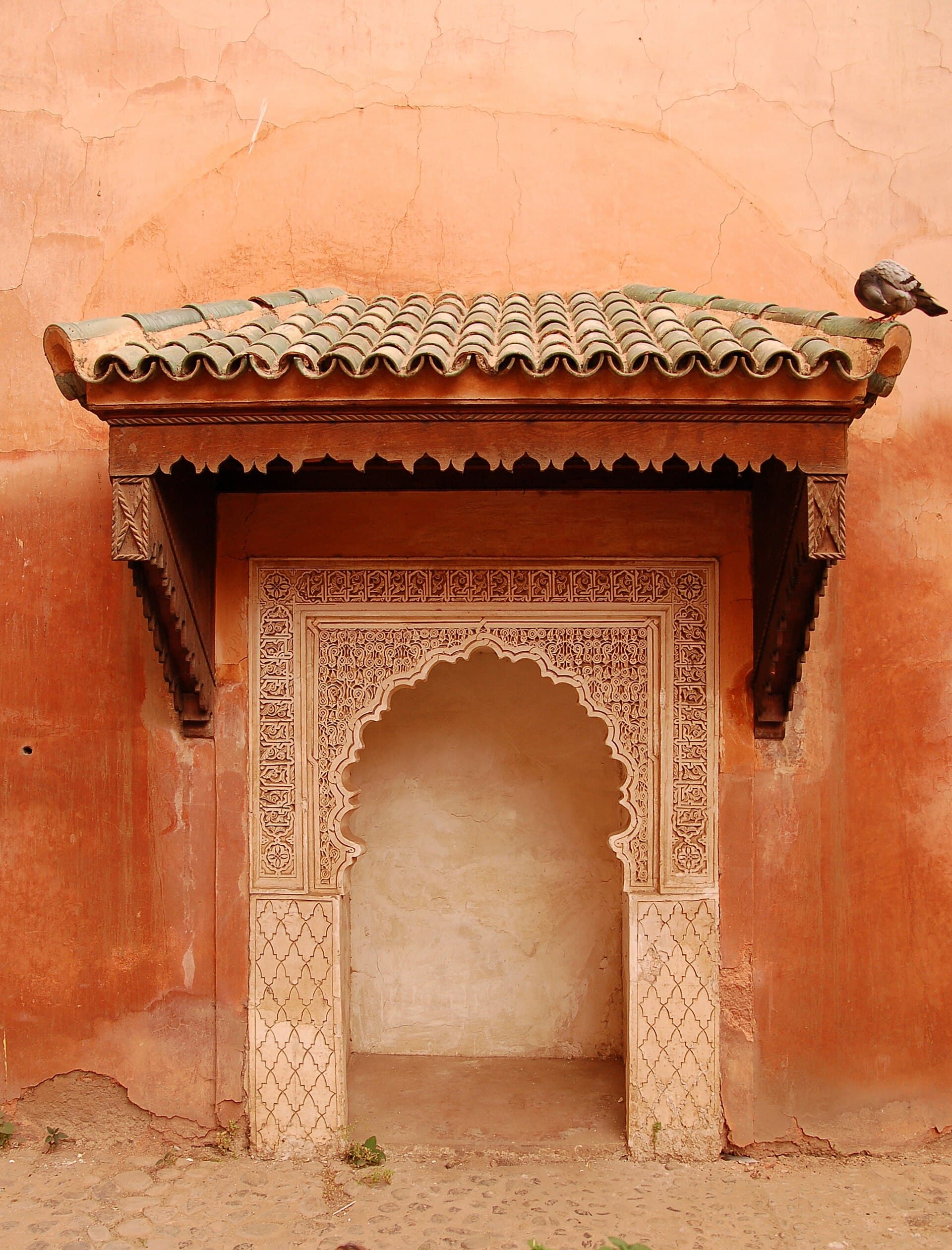
Use the second morning for the most obvious high-value cluster: Bahia Palace, Saadian Tombs, Koutoubia from the outside, and whichever nearby medina routes matter most to you. Earlier hours help with heat, crowding, and patience. Palace and courtyard sights are more enjoyable before the city feels fully cooked, and you will appreciate the architecture more when you are not already drained from souk navigation. Keep the route tight. In Marrakech, one extra zigzag across the medina can cost more energy than one extra sight is worth.
Itinerary note 05
Day 2 afternoon: choose one cooler-feeling contrast instead of more of the same
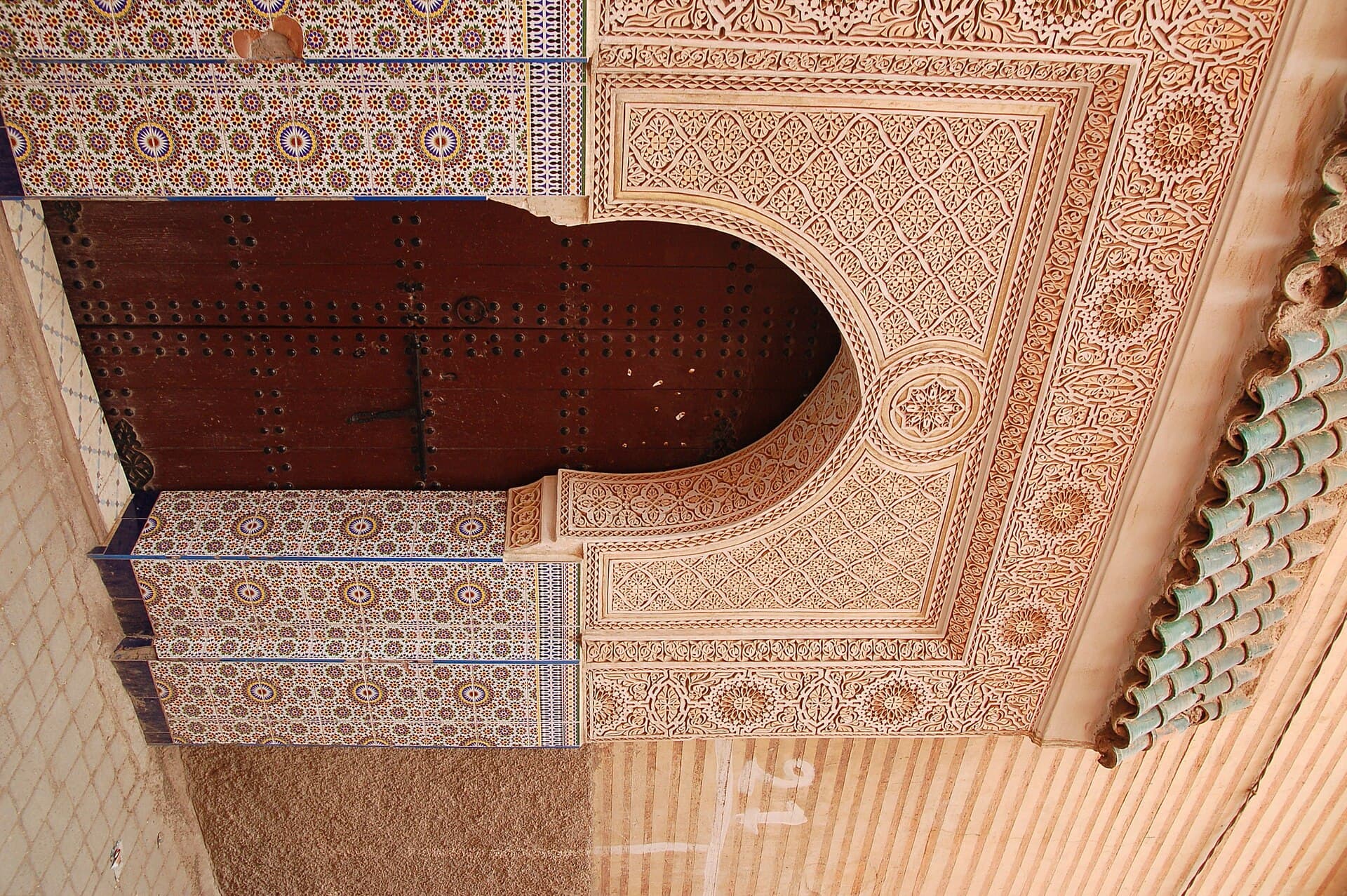
After lunch, shift gears. This is the best place for Majorelle Garden and the modern-city side of Marrakech, a museum stop, or a slower rooftop break rather than another marathon through the same lanes. Gardens and design-oriented stops work well here because they change the sensory pace of the trip. If you do Majorelle, try to pair it with nearby Gueliz time so you are not crossing the city for one isolated garden photo. Marrakech is strongest when you alternate density with relief.
Itinerary note 06
Day 2 evening: book one guided or curated experience only if it removes real friction
This is the smartest evening for a tour because you already know what the city feels like on your own. A food walk can help if menus still feel opaque, a souk-focused guide can help if bargaining and navigation are stressing you out, and a curated cultural evening can work if you want context rather than just another dinner reservation. The key is choosing something that solves a problem. Do not book a tour simply because a 3-day itinerary looks more serious with one attached to it.
Itinerary note 07
Day 3: choose between deeper Marrakech and one carefully chosen extra
Day three should respond to the trip you are actually having. If the medina still feels full of unfinished business, use the day for a slower return to your favorite section, a second palace or museum, shopping with more confidence, or a long lunch and rooftop pause. If you want contrast, this is the natural day for Gueliz, a hammam-style reset, or a garden-and-café stretch. A day trip into the Atlas foothills can work, but only if it is a true priority. With just three days, every excursion means giving up one more layer of Marrakech itself.
Itinerary note 08
How to adjust for heat and different energy levels
Fast-moving travelers can add one extra stop a day if it sits naturally nearby. Most people will have a better trip by adding shade, water, and a midday reset instead. If you are traveling with family or anyone who overheats easily, make lunch and hotel downtime part of the design, not an emergency retreat. Marrakech also rewards early starts and softer afternoons. Garden visits, palace interiors, and covered museum time usually feel better once you have already handled the most exposed walking in the morning.
Itinerary note 09
Mistakes that make three days in Marrakech feel rushed
The biggest mistake is treating the medina like a grid you can optimize perfectly. It is not. Another is stacking too many same-feeling sights without a change of pace, then blaming the city for fatigue. Travelers also underestimate how much energy luggage handoffs, taxi drop-offs, haggling, heat, and sensory intensity can consume. Three days works well when each day has one main sightseeing block, one protected recovery window, and permission to skip the least important extra.