
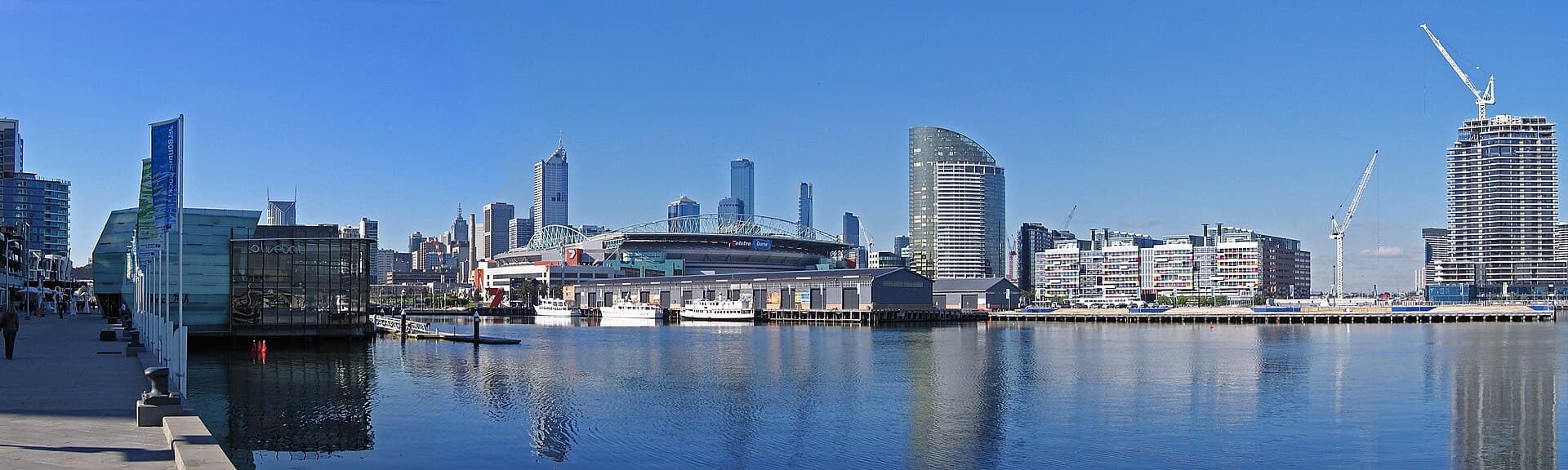
Choosing where to stay in Melbourne is really a choice about what you want to make easy every day. The CBD is best when you want first-trip efficiency and the free tram zone to do real work for you. Southbank is better if you want quieter nights and bigger-hotel energy. Fitzroy and Collingwood are stronger when the trip is partly about restaurants, bars, and not having to commute home after dinner. Carlton is a smart middle ground, while St Kilda only makes sense if staying by the water matters enough to justify the extra transit.
Good fit if…
- • travelers comparing several Melbourne neighborhoods before booking
- • visitors who want a clearer decision than a generic top-ten list
- • anyone balancing atmosphere against transport and sleep quality
Skip it if…
- • you have already chosen a specific hotel and only need review-level detail
- • you want a resort-style stay far outside the city rhythm entirely
- • you plan to pick purely on price and ignore block-level tradeoffs
Map context
Best neighborhoods in Melbourne map
Use this map to compare the main stay areas, arrival anchors, and example hotel locations across Melbourne.
CBD east grid
Melbourne
neighborhoodBest first-time base if you want the free tram zone, laneways, and core sights to work with minimal effort.
Open CBD east grid in Google MapsSouthbank
Melbourne
neighborhoodUseful for quieter nights, riverfront hotels, and arts-precinct access, though some pockets feel more polished than local.
Open Southbank in Google MapsCarlton
Melbourne
neighborhoodStrong compromise area for museum access, good dinners, and a calmer city-edge rhythm.
Open Carlton in Google MapsFitzroy
Melbourne
neighborhoodBest if coffee, bars, and a more local-feeling social scene matter more than perfect first-timer efficiency.
Open Fitzroy in Google MapsCollingwood
Melbourne
neighborhoodUseful for dining and nightlife, but worth checking block by block for street energy and noise.
Open Collingwood in Google MapsSt Kilda
Melbourne
neighborhoodOnly the right call if you actively want the bay and accept the longer connection back to the city core.
Open St Kilda in Google MapsSouthern Cross Station
Melbourne
transportHelpful reference point for airport transfers, tour pickups, and judging whether a hotel is truly convenient.
Open Southern Cross Station in Google Maps
Specific hotel picks
Hotels worth comparing first
These are real, central options to start your search. We do not show live rates or availability here, so use the links to verify the exact room, cancellation terms, taxes, and recent guest notes.
The Howey
CBD core
Upper-midrange boutique- Best for
- First-time visitors who want the laneway version of central Melbourne outside the door.
- Location note
- Well placed for the east-grid core, arcades, dining lanes, and tram corridors.
- Why stay
- It suits travelers who want to walk out and immediately understand why staying central helps in Melbourne.
- Watch out
- Best if you are comfortable with central-city activity rather than expecting a quiet residential feel.
Vibe Hotel Melbourne
CBD / river edge
Midrange- Best for
- Travelers who want a practical central base with easy links between the CBD, Southbank, and Southern Cross side.
- Location note
- Good for Flinders Street, Southbank, and free-tram-zone movement.
- Why stay
- A useful pick when the goal is a smooth short stay rather than a heavily stylized hotel experience.
- Watch out
- Choose it for function and position, not because it will deliver the most distinctive neighborhood mood.
Adelphi Hotel
Flinders Lane
Upscale boutique- Best for
- Food-forward travelers who want dinner, bars, and the laneway core to shape the trip.
- Location note
- Near major restaurant streets, theaters, and the arts side of the center.
- Why stay
- It makes the most sense when you are paying for a location you will actively use morning through late evening.
- Watch out
- Less compelling if your plan is mostly daytime sightseeing with minimal interest in central dining.
Quincy Hotel Melbourne
CBD west / Southern Cross edge
Upper-midrange- Best for
- Visitors who want easier airport-bus or station logic without staying far from the core.
- Location note
- Convenient for Southern Cross and the west side of the CBD grid.
- Why stay
- A good tradeoff-solver if arrival and departure ease matter almost as much as sightseeing convenience.
- Watch out
- You may still find yourself walking or riding east for some of the city's strongest dining lanes.
The Larwill Studio
Carlton / Parkville edge
Upper-midrange- Best for
- Travelers who want a calmer design-forward stay near parks, museums, and a less hard-edged city feel.
- Location note
- Useful for museum precinct access and tram routes into the center.
- Why stay
- It works for people who know they would rather come home to a softer city edge than a busy CBD block.
- Watch out
- Not the best fit if your trip depends on walking back from central dinners every night.
Trip planning
Compare stays against the neighborhood tradeoffs here.
Use this shortlist to match your route pattern with the right Melbourne district, then compare hotels by noise tolerance, tram convenience, and how easy they make arrival day.
Compare Melbourne staysExternal partner or booking tool; check locations, terms, and current availability before committing.
Area tradeoff 01
CBD east grid: The easiest first-time base for trams, laneways, and quick access to major city sights.
If this is your first Melbourne trip and you want the city to feel simple quickly, the east side of the CBD grid is usually the safest answer. You are close to the lanes, arcades, Flinders Street side landmarks, and several tram corridors, which means the small repetitive movements stay easy: morning coffee, museum starts, dinner returns, and that last tired ride home when the weather turns on you. The free tram zone is genuinely useful here, especially for short hops that would feel silly by taxi and longer than they look on the map. The catch is that 'CBD' is too broad a label. A hotel on a well-connected, active block can feel efficient; one on a harder-edged or noisier block can feel like you booked the right neighborhood but the wrong address.
Area tradeoff 02
Southbank: Riverfront hotels and straightforward access to the arts precinct and cbd core.
Southbank works well for travelers who want a more settled version of central Melbourne. It is strong for arts precinct access, river walks, and hotels that feel a little less squeezed into the office grid. Couples, conference add-on travelers, and anyone who knows they value a calmer return at night often like it more than the textbook CBD answer. The tradeoff is that some parts of Southbank feel polished but not especially local, and depending on the exact address you may add a bridge crossing or a bit more walking to everyday sightseeing. That is still a fair trade if your priority is smoother nights, a cleaner room-to-dinner rhythm, and easier recovery after a full day out.
Area tradeoff 03
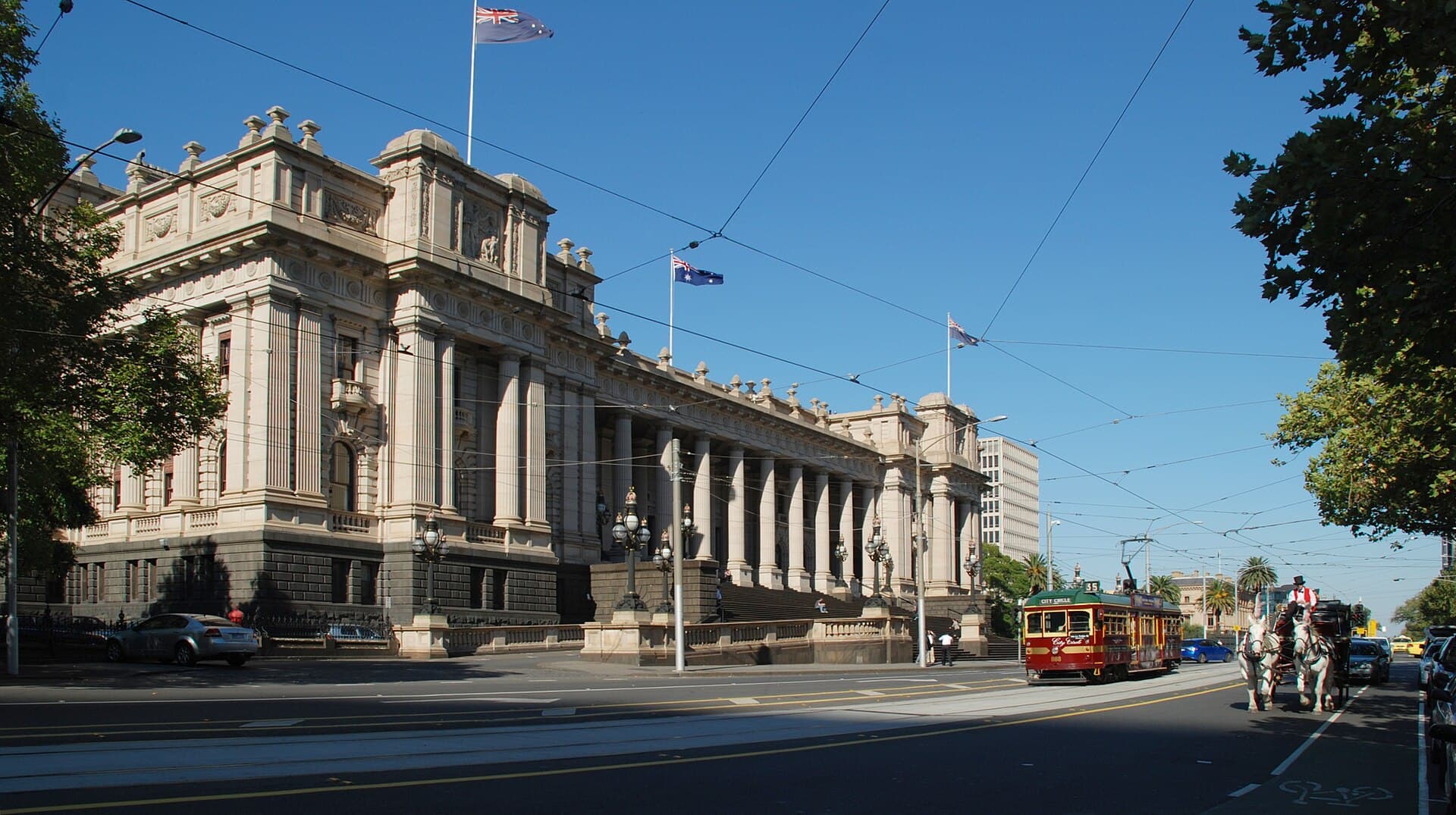
Carlton: Italian dining, museum access, and a slightly calmer city-edge rhythm.
Carlton is a smart pick when central Melbourne appeals in theory but the main CBD hotel blocks feel too busy, too expensive, or too anonymous. It gives you easy access to the museum side of town, strong dining around Lygon Street, and a city-edge pace that can feel more livable on a multi-night stay. It is especially good for travelers who like walking to dinner in a neighborhood that still feels used by locals rather than only by office workers and visitors. The compromise is straightforward: you are not as instantly plugged into every CBD night plan or every airport-arrival pattern. For the right traveler, though, Carlton solves that by being more pleasant to come home to.
Area tradeoff 04
Fitzroy: Creative energy, bars, and a more local-feeling stay with strong food options.
Fitzroy is the right answer when the trip is not just about ticking off landmarks. This is where many travelers stay when they want Melbourne's café culture, bars, and restaurant density to be part of the hotel decision, not just an outing. Brunswick Street and the surrounding area make it easy to have a long dinner, one more drink, or a slow coffee morning without having to engineer the whole evening around transport back to the center. The cost of that character is noise, more uneven street energy, and less of the frictionless first-timer simplicity you get in the CBD. Fitzroy is best booked on purpose, not because it looked cool in a generic roundup.
Area tradeoff 05
Collingwood: Trendy dining and nightlife with easy tram links back toward the city.
Collingwood overlaps with Fitzroy in spirit but feels a little sharper, more nightlife-forward, and in places more mixed from block to block. It suits travelers who care about being near good food, creative venues, and late-night movement, while still keeping trams back toward the city reasonably simple. If you are the type who wants to wander for dinner and decide the rest later, Collingwood can outperform a more formal central hotel zone. If you are a light sleeper or want polished predictability outside the lobby, it may not. The key here is to book with street awareness, because one block can feel pleasantly lively and the next can feel like you signed up for more motion than you wanted.
Area tradeoff 06
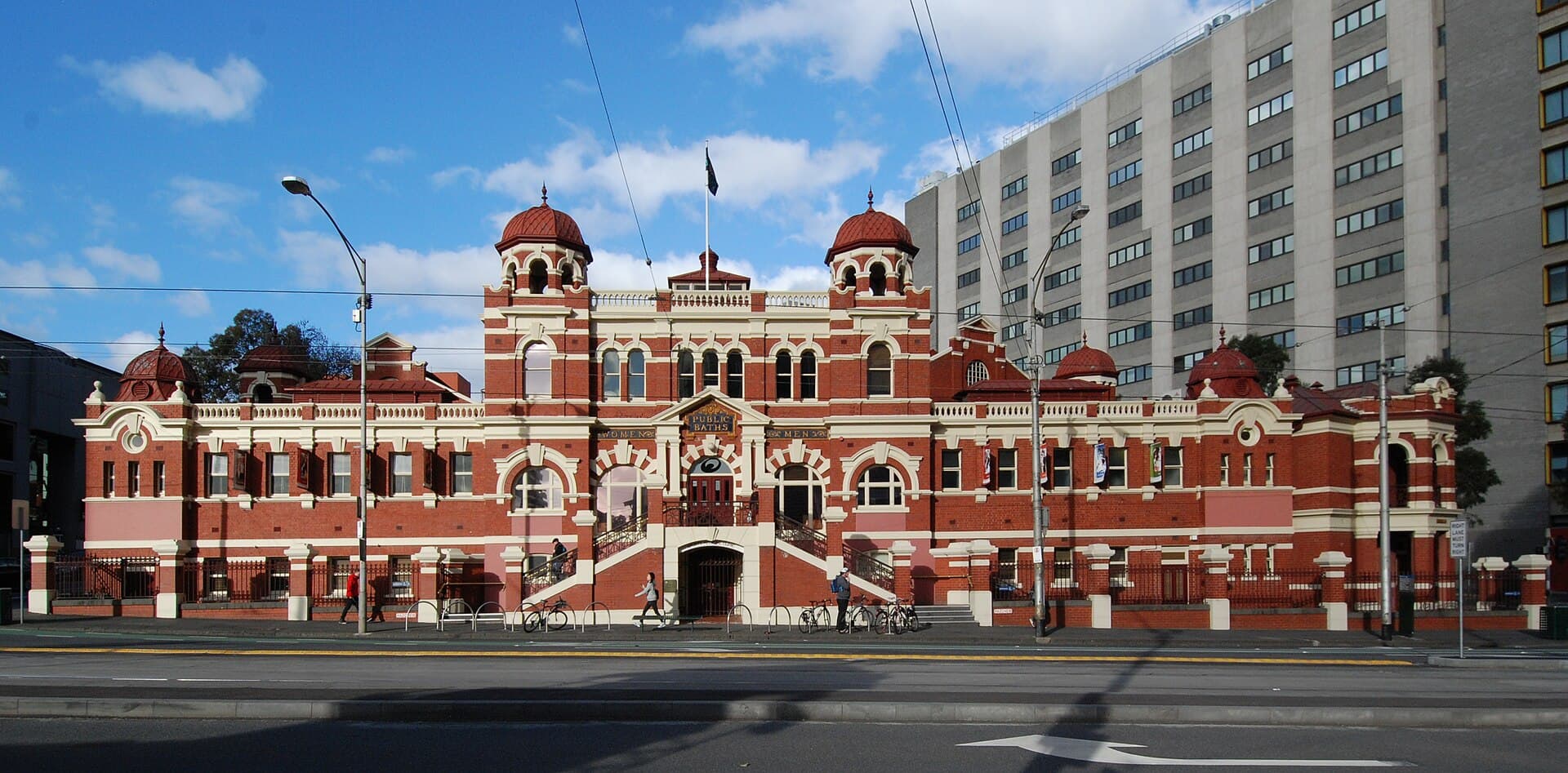
St Kilda: Beach access and a distinct personality for travelers who really want the water.
St Kilda only makes sense if you genuinely want the bay as part of the trip. It gives you a promenade, beach access, and a very different daily mood from the inner-city neighborhoods, which can be appealing if you want Melbourne to feel less urban all the time. But this is not the default sightseeing base many first-timers imagine. The beach is pleasant in the right mood, yet it is not the same kind of beach trip people picture in warmer or more overtly coastal cities, and getting back and forth to the central city takes more intention. Stay here because you want St Kilda itself, not because it sounds like a free upgrade over the CBD.
Area tradeoff 07
How to choose between the main Melbourne neighborhoods
Ask what you want to repeat easily. If the answer is trams, laneway lunches, quick museum starts, and simple first-time sightseeing, stay in the CBD east or south-east side. If the answer is quieter nights and a riverfront hotel feel, Southbank makes more sense. If the answer is dinner, bars, and a more local-feeling social rhythm, look harder at Fitzroy or Collingwood. Carlton is the compromise when you want character without maximum noise, while St Kilda is a specialized choice for travelers who actively want the bay. Melbourne gets easier once you stop asking for the 'best' neighborhood and start asking which one removes the most friction from your version of the trip.
Area tradeoff 08
Booking checks that matter more than the neighborhood headline
In Melbourne, the exact property often matters almost as much as the district. Check whether the hotel sits inside or just outside the routes you will actually use, whether the nearest tram stop helps in practice, and what recent guests say about nightlife noise, late-night walking comfort, and room quiet. For airport-day logic, west-side CBD properties near Southern Cross can be handy, but they are not automatically better if the rest of your trip happens farther east. Also be realistic about day trips: if Great Ocean Road, Yarra Valley, or Phillip Island tours are on the plan, the meeting point may matter more than the neighborhood brand name. Good neighborhood advice gets you close; the micro-location is what turns it into a genuinely easy stay.