
Three days in Mexico City is enough for a strong first trip if you stop treating the city like one compact center. This plan groups the historic core, Chapultepec-side museums, and south-side or neighborhood time in a way that cuts backtracking, respects traffic, and leaves room for long lunches, rain delays, altitude fatigue, or the simple fact that Mexico City can feel bigger than it looks on the map.
Map context
Mexico City 3-day itinerary map
Plot the main historic-center, Chapultepec, Coyoacán, and neighborhood anchors that keep a 3-day Mexico City route efficient without making it feel rushed.
Zócalo
Mexico City
landmarkBest day-one anchor for understanding the city’s monumental historic core.
Open Zócalo in Google MapsPalacio de Bellas Artes
Mexico City
landmarkNatural pairing with the Zócalo and central-city orientation day.
Open Palacio de Bellas Artes in Google MapsChapultepec Castle
Mexico City
landmarkUseful only if it fits your museum-day pace; do not force it into the historic-center day.
Open Chapultepec Castle in Google MapsMuseo Nacional de Antropología
Mexico City
landmarkStrong museum-day priority that is worth its own mental space.
Open Museo Nacional de Antropología in Google MapsParque México
Mexico City
landmarkHelpful neighborhood anchor if Roma or Condesa is part of your evening rhythm.
Open Parque México in Google MapsCoyoacán center
Mexico City
landmarkBest saved for the day when you consciously decide south-side time is worth the transfer.
Open Coyoacán center in Google MapsRoma Norte
Mexico City
transportUseful reset point for judging whether the itinerary is staying geographically honest.
Open Roma Norte in Google Maps
Bookable ideas
Tours and activities to compare
Use these as a starting point, then verify the meeting point, cancellation terms, group size, and recent reviews before booking.
Historic center and Templo Mayor walking tour
Walking tour
3 hours- Best for
- First-time visitors who want the old core to feel coherent instead of just big and impressive.
- Why book
- It gives useful historical context and helps you understand why the central monuments matter beyond their scale.
- Watch out
- Best early in the day, before heat, crowds, or museum fatigue start to flatten your attention.
Roma, Condesa, and street-food tasting route
Food and neighborhood tour
3–4 hours- Best for
- Travelers who want the city’s everyday dining rhythm explained, not just sampled.
- Why book
- A good shortcut if you want to understand how Roma and Condesa actually differ while eating well along the way.
- Watch out
- Works best when you treat it as the evening plan, not as a prelude to another ambitious dinner reservation.
Frida Kahlo Museum and Coyoacán half-day route
Museum and neighborhood tour
4–5 hours- Best for
- Visitors who care about Coyoacán but do not want to burn energy on timing and transport guesswork.
- Why book
- It simplifies one of the easiest Mexico City days to mis-time, especially if museum access is important to you.
- Watch out
- Still only worth it if Coyoacán is a real priority; on a tight trip, south-side time should be intentional.
Teotihuacán sunrise or early-entry day trip
Day trip
7–9 hours- Best for
- Travelers who know one major archaeology day is part of why they came.
- Why book
- It is still the cleanest big excursion from the city when you want to trade one urban day for something more monumental.
- Watch out
- Altitude, sun exposure, and the time commitment mean it should replace a city day, not just get squeezed around one.
Trip planning
Check guided options against the timing in this guide.
Use these Mexico City tour ideas for the parts of the trip that genuinely benefit from context or easier logistics, then keep the rest of the schedule loose enough to follow your energy.
Browse Mexico City toursExternal partner or booking tool; check locations, terms, and current availability before committing.
Itinerary note 01
How to use this 3-day plan
Treat this itinerary as route logic, not a rigid timetable. Mexico City rewards days that stay geographically honest: do the historic center together, protect Chapultepec and museum time on its own day, and use the third day for either Coyoacán or the neighborhoods that ended up mattering most to you. Build in breathing room. Altitude, afternoon showers, museum fatigue, and cross-city traffic can all make an overstuffed plan feel worse than it looked when you booked it.
Itinerary note 02
Day 1: start with the historic center, then let the city open up slowly
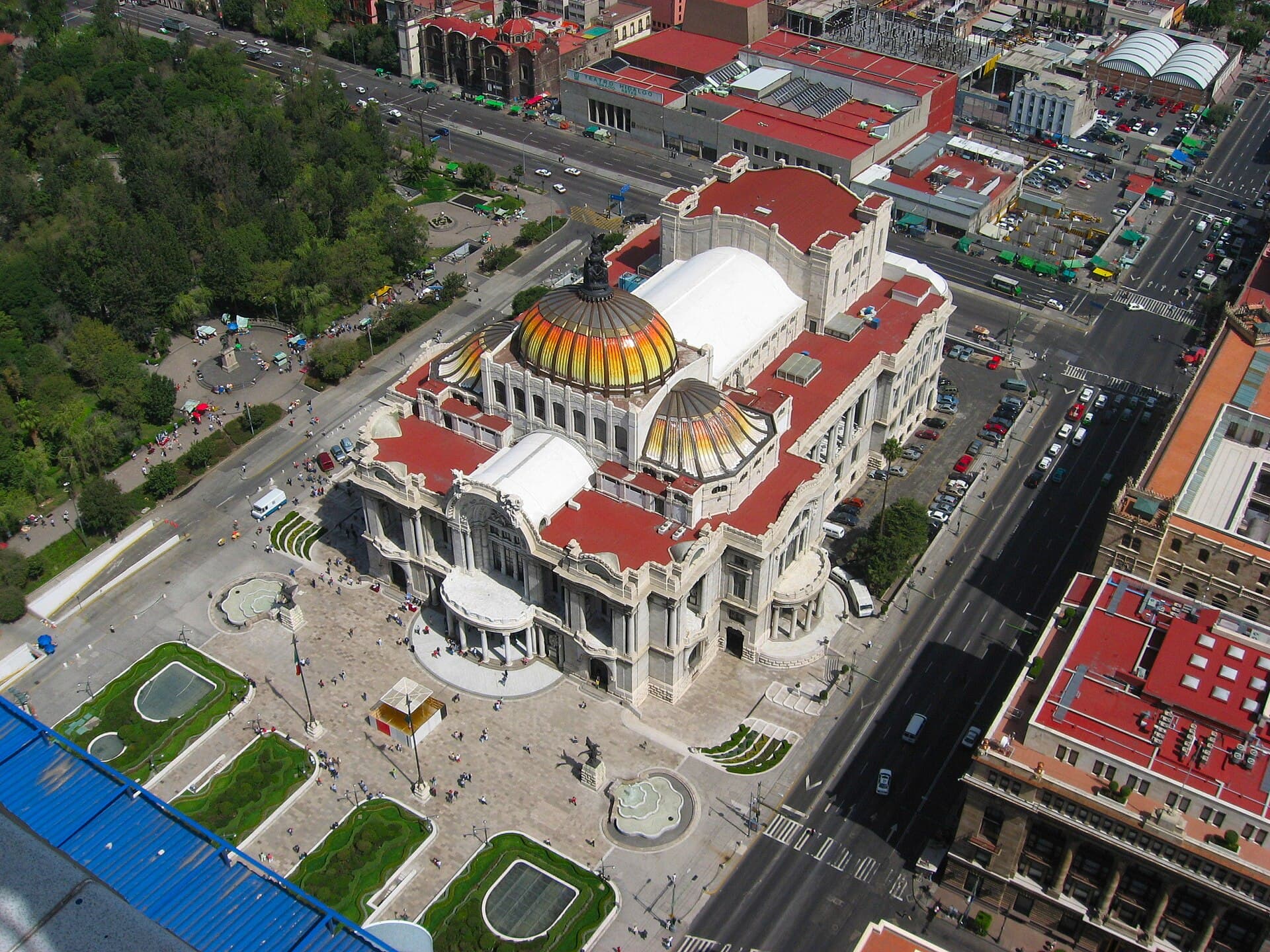
Begin with the Zócalo, the cathedral area, and Bellas Artes so the monumental side of Mexico City makes sense early. This is the day to understand the city as capital, not just as a collection of trendy neighborhoods. Keep the route focused and do not try to squeeze in too many far-flung extras. If you are staying in Roma, Condesa, Juárez, or Reforma, finish the afternoon with a slower transition back toward your base for coffee, a break, and dinner. Day one works best when it gives you a mental map and confidence rather than trying to win a museum-count contest.
Itinerary note 03
Day 1 evening: stay close to your base and learn what the city feels like after dark
For the first evening, keep things easy. If you are based in Roma Norte or Condesa, use that to your advantage and let dinner be part of the neighborhood rather than another long transfer. If you are in Polanco, use the night to settle into the calmer, more polished version of the city you chose. The goal is to notice your area after sunset, gauge your energy at altitude, and avoid turning the first night into a heroic transport experiment.
Itinerary note 04
Day 2: make it your Chapultepec and museum day
Use day two for Chapultepec, the Museo Nacional de Antropología, and whichever nearby museum or park time you genuinely care about. This part of the city is rich enough to deserve its own lane, and trying to combine it with the historic center and Coyoacán in the same day usually creates more transit than enjoyment. Start early if museums are high priority, wear pace-friendly shoes, and give yourself permission to do one museum well instead of three badly. Mexico City rewards selectiveness here.
Itinerary note 05
Day 2 evening: add one guided or curated experience only if it fills a real gap
This is the best slot for a food tour, neighborhood walk, or other guided add-on because you will know by then what the trip still needs. If the historic center felt overwhelming, a context-heavy walk can help. If you want more confidence around Roma and Condesa dining, a food-focused evening experience can pay off. If you already feel oriented, skip the tour and simply have a strong dinner. Do not book structure for its own sake; Mexico City is more enjoyable when the guided part solves a real problem.
Itinerary note 06
Day 3: choose between south-side culture, a neighborhood day, or one big excursion
Use the final day for the version of Mexico City you most want more of. For many first-timers, that means Coyoacán and the Frida Kahlo orbit, ideally with realistic expectations about travel time and ticket logistics. Others will be happier using day three for markets, a slower Roma-Condesa-Juárez drift, or a long lunch plus one more museum. Teotihuacán can fit if it is a true priority, but it should replace city time consciously rather than getting added automatically. The best third day follows the trip you are actually having.
Itinerary note 07
When to book tours versus when to stay flexible
Prebook the experiences that are hard to improvise well: the museum or attraction with limited-entry pressure, the day trip that would be annoying to self-manage, or the guided experience that adds real context. Keep neighborhood time, meals, and the easier museum-adjacent blocks flexible enough to absorb weather, appetite, and traffic. In Mexico City, one delayed lunch or rainy afternoon can change the best order of the day, so leaving some slack is not laziness. It is good planning.
Itinerary note 08
How to adjust this itinerary for different travel styles
Fast movers can add another museum or market if it sits on the same route. Slower travelers should remove one major stop and protect coffee breaks, benches in Chapultepec, and time to reset between districts. Food-first travelers should bias evenings toward Roma, Condesa, or Polanco depending on budget and taste. Families and mixed-energy groups should simplify transfers, use rideshares strategically, and be realistic about how altitude, heat, or afternoon rain affects patience. A good Mexico City plan still feels good when everyone is a little tired.
Itinerary note 09
Mistakes that make a 3-day city trip feel rushed
The biggest mistake is pretending that one famous stop in each direction can all live in the same day. That leads to long rides, short meals, and a trip spent watching traffic instead of enjoying the city. Another mistake is trying to do the historic center, Chapultepec, Coyoacán, and a big day trip all in three days. Mexico City has enough depth that restraint usually improves the experience more than one extra checkbox does.