

Getting from Porto Airport into the city is usually easy until the last part of the route stops being easy. Metro Line E from OPO works well for many travelers, especially if your hotel is near Trindade, Bolhão, Aliados, or a clean central walk. The decision gets more complicated when your room is in Ribeira, deep on a cobbled lane, or across the river in Gaia. In Porto, the airport transfer is really a last-mile problem disguised as a public-transport question.
Map context
Porto Airport to Porto map
Use this map to compare OPO, the main arrival hubs, and the neighborhoods that change whether metro or a direct car makes more sense.
Porto Airport
Porto airport
transportOPO, where the transfer decision starts but does not really get solved until the final neighborhood is clear.
Open Porto Airport in Google MapsTrindade and São Bento corridor
Porto
transportMain benchmark for deciding whether your hotel is truly metro-friendly or only looks close on a map.
Open Trindade and São Bento corridor in Google MapsSão Bento Station
Porto
transportUseful reference if you are connecting onward or choosing between upper-center and riverfront stays.
Open São Bento Station in Google MapsBaixa or Aliados
Porto
neighborhoodTypical benchmark area for easy metro arrivals and simple first-time logistics.
Open Baixa or Aliados in Google MapsCedofeita
Porto
neighborhoodComparison zone where the metro may still work well, but the exact uphill finish matters more.
Open Cedofeita in Google Maps
Trip planning
Keep planning with related city guides.
Compare neighborhoods, transport friction, day-trip timing, and practical tradeoffs before booking anything.
Browse more Porto guidesTransport note 01
Best default route: Metro Line E into Trindade, then a short walk, transfer, or taxi depending on your hotel block
For many first-time visitors, Metro Line E into Trindade is the best default because it is direct from OPO, easy to understand, and drops you into the city’s most useful transit spine. If your hotel is in Aliados, Bolhão, or a straightforward upper-center street, that may be the whole answer. If your final destination is down in Ribeira, up a steep side street, or tucked behind a pedestrian-only approach, think of Trindade as the point where you decide whether one more leg is worth simplifying with a taxi.
Transport note 02
When a direct taxi or transfer is worth paying for
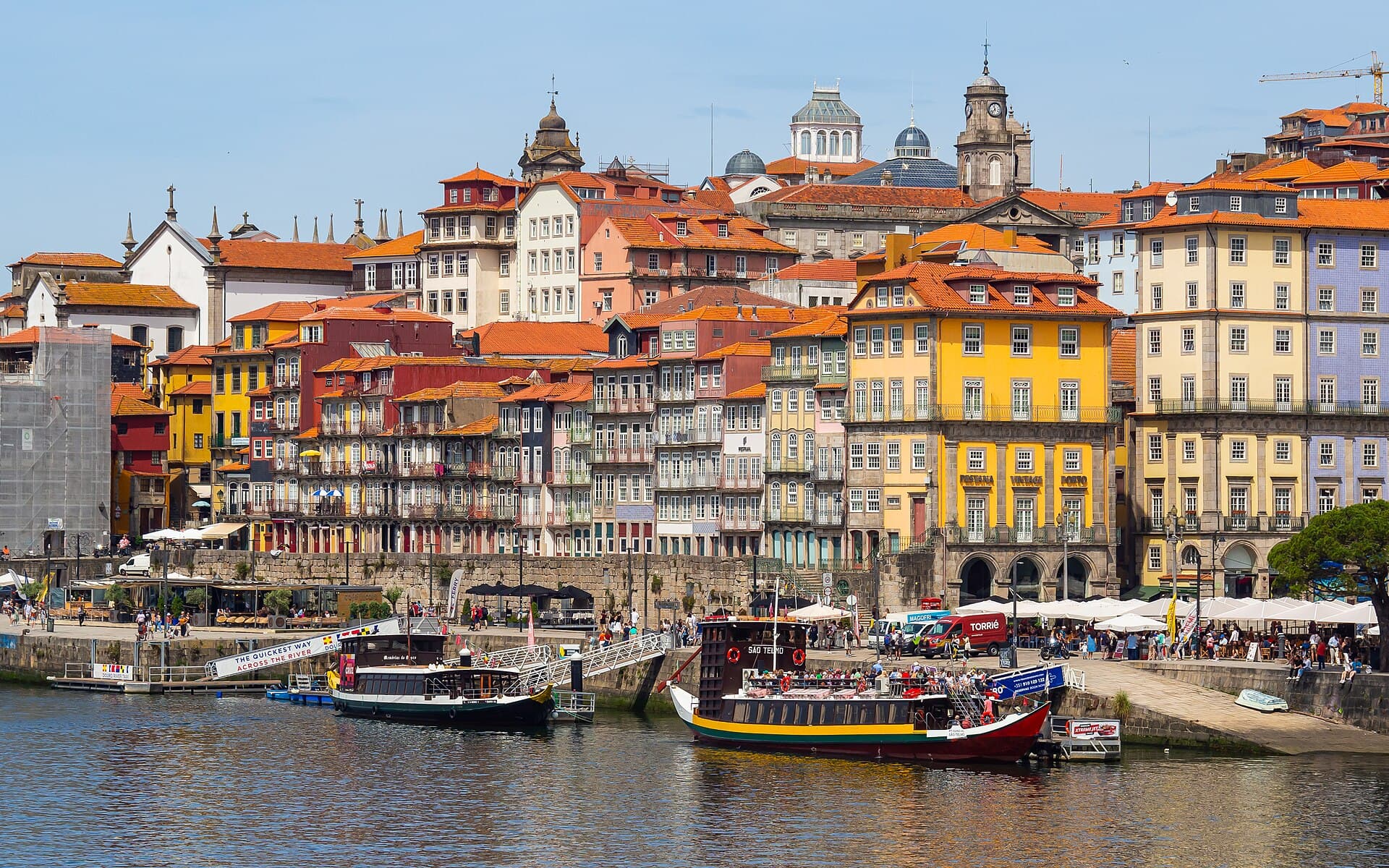
A direct car makes the most sense when the final approach is the annoying part: multiple bags, a late arrival, rain, tired kids, or a hotel on a lane that looks central but feels awkward in real life. Porto is a city where “only ten more minutes on foot” can hide stairs, slick cobbles, and a sharp change in elevation. A taxi or pre-booked transfer is not just about comfort. It is often about preventing arrival day from turning into the least charming version of Porto.
Transport note 03
How late arrivals should think about the transfer
Late arrivals should optimize for a calm check-in, not for the most romantic neighborhood label. A hotel near Aliados, Trindade, or a clear car drop-off often feels much better at night than a beautiful riverside address with awkward access. If you land tired and still need to decode one-way streets, self-check-in instructions, or a downhill-then-uphill walk with luggage, the city can feel harder than it really is. This is one of the strongest cases for paying more for a direct ride.
Transport note 04
What public transport does well — and what it does not solve
Porto’s metro does the airport-to-center part very well. What it does not solve is the terrain after you leave the station. Baixa, Bolhão, and many Aliados stays are often straightforward enough to keep the metro attractive. Ribeira, west-side boutique hotels, and many Gaia stays can still punish the last few blocks enough that public transport stops being the obvious best value.
Transport note 05
Choose the route based on your hotel area
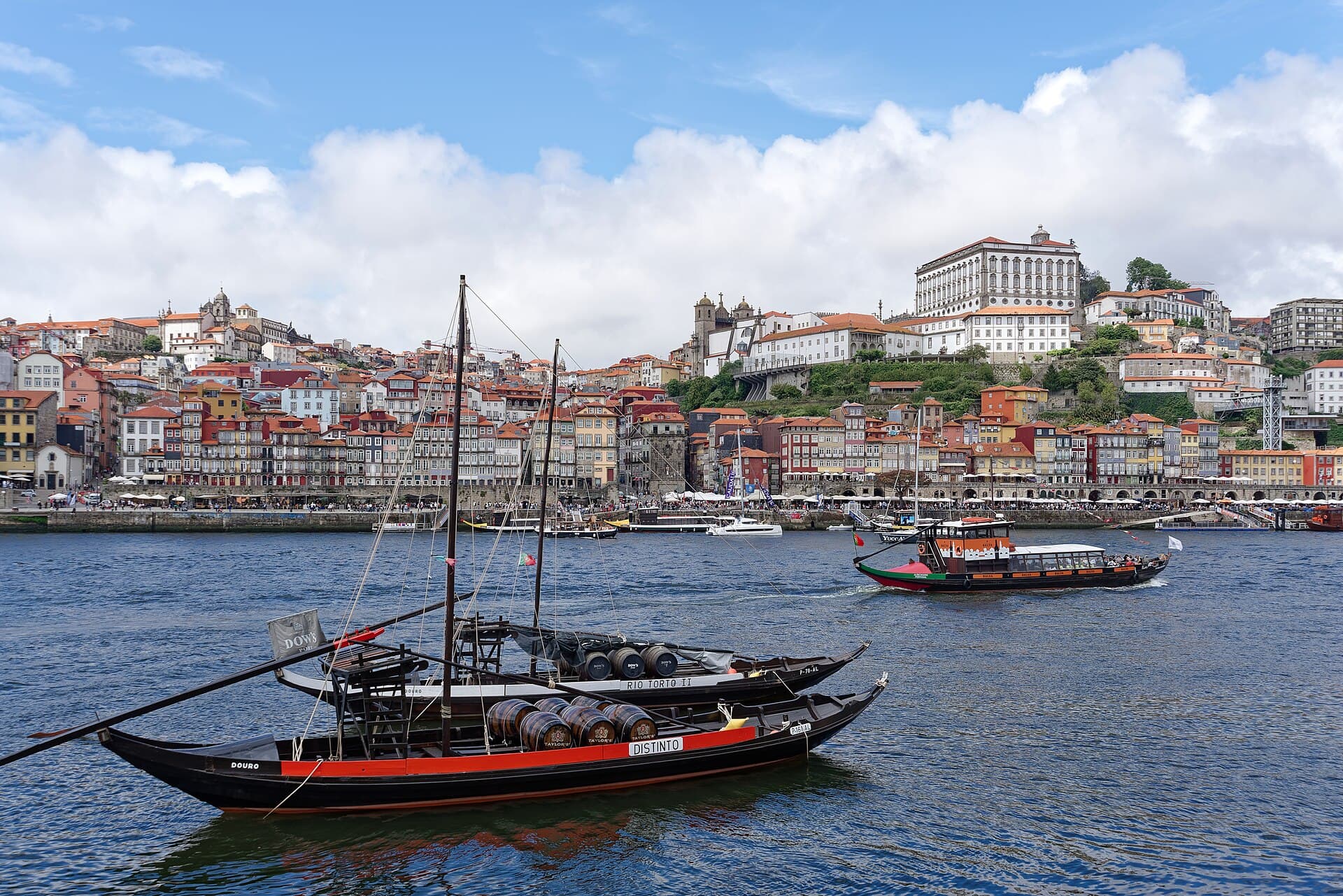
Baixa, Aliados, and Bolhão are usually the easiest neighborhoods for a metro-first arrival. Cedofeita can still be fine, but check whether your hotel is on the flatter side of your route or requires more uphill walking. Ribeira usually asks you to decide whether charm is worth the luggage hassle. Gaia can be easy or awkward depending on whether you are near the upper bridge area or down by the riverfront. Before deciding, zoom in on the exact property entrance, not just the district name.
Transport note 06
If you are connecting onward the same day
Some travelers are not really going to “Porto city center” at all. They are trying to reach São Bento for a rail connection, Trindade for a central hotel, or Gaia for cellar plans. In those cases, the smartest route is the one that gets you to the correct side of the city with the fewest handoffs. If you have a same-day train, a tour departure, or a fixed check-in time, optimize for that next move rather than the cheapest possible transfer from the airport.
Transport note 07
How much buffer to leave on departure day
On the way back to OPO, build in extra time if your hotel sits in historic lanes, if rain is in the forecast, or if you are staying in Gaia and need to cross the river before the airport trip even properly begins. Porto is usually manageable, but the city punishes last-minute optimism more than flat-grid destinations do. Departure morning should feel boring. If it might not, leave more buffer.
Transport note 08
Should airport convenience decide where you stay?
Only partly. Easy airport access is useful, especially on the first and last day, but Porto is a city of repeated small movements: the walk back from dinner, the climb after the riverfront, the trip to São Bento, the crossing into Gaia. Those loops matter more than the airport alone. Use airport access as a tiebreaker, not the whole decision.
Transport note 09
The mistake that makes airport transfers feel harder than they are
The classic mistake is comparing metro versus taxi before checking the last ten minutes from your actual stop to your actual hotel door. Solve the final approach first: slope, cobbles, stairs, weather exposure, and whether a driver can drop you close. Once that is clear, the best airport transfer usually becomes obvious.