
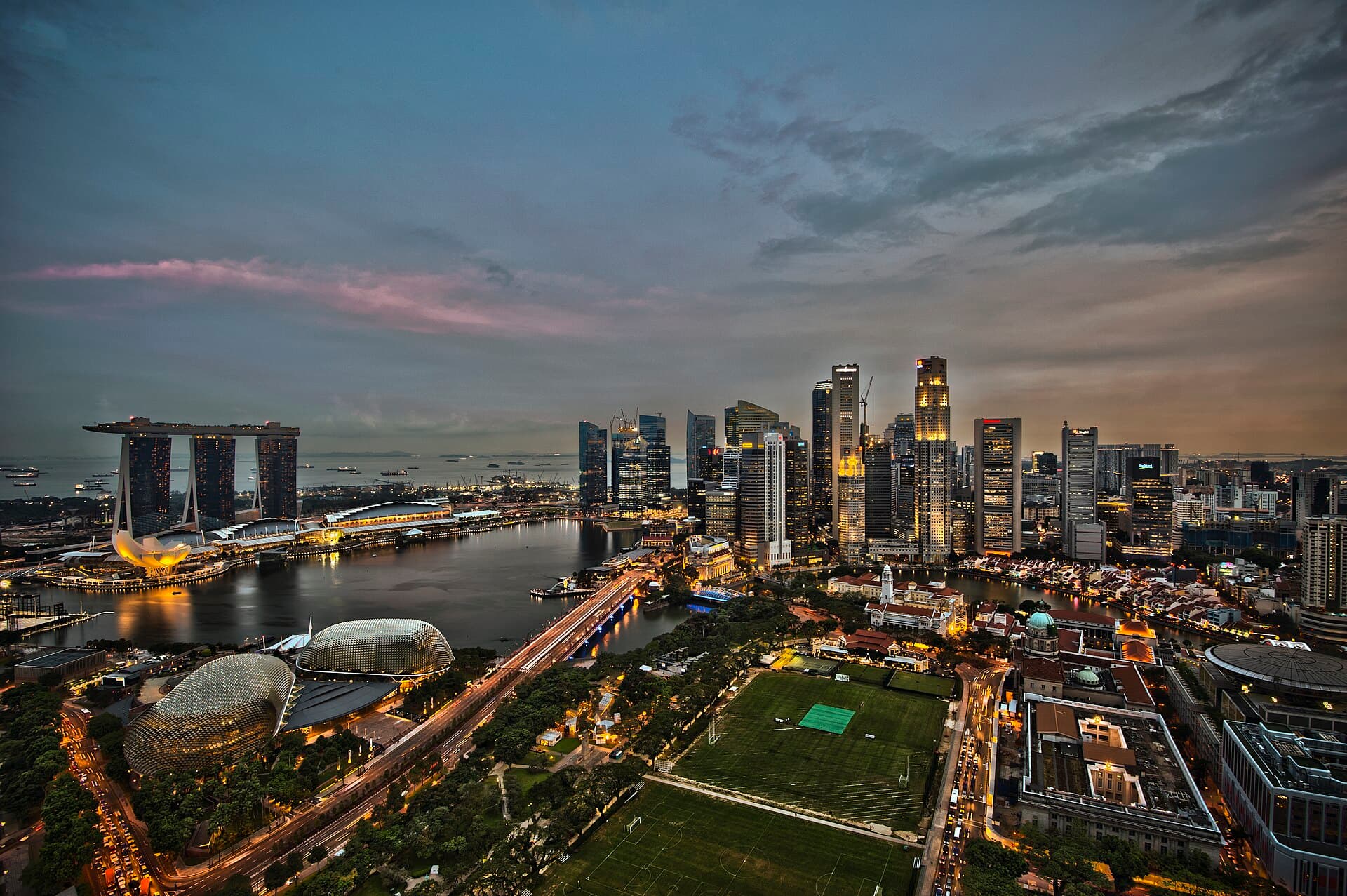
Choosing where to stay in Singapore is less about distance and more about friction. The city is compact, the MRT is useful, and a lot of neighborhoods look equally central on a map, but they do not feel equally easy once you factor in heat, rain, late dinners, airport transfer logic, and how much you want to walk before reaching the next thing. The right base is the one that makes your repeated daily pattern feel clean, not the one with the flashiest skyline photo.
Good fit if…
- • travelers comparing several Singapore neighborhoods before booking
- • visitors who want a clearer decision than a generic top-ten list
- • anyone balancing atmosphere against transport and sleep quality
Skip it if…
- • you have already chosen a specific hotel and only need review-level detail
- • you want a resort-style stay far outside the city rhythm entirely
- • you plan to pick purely on price and ignore block-level tradeoffs
Map context
Best neighborhoods in Singapore map
Use this map to compare the main stay areas, arrival anchors, and example hotel locations across Singapore.
City Hall / Marina Bay edge
Singapore
neighborhoodBest all-around first-time base when you want skyline sights and MRT handoffs to stay easy.
Open City Hall / Marina Bay edge in Google MapsBugis / Kampong Glam edge
Singapore
neighborhoodStrong compromise area for food, transport, and a less corporate daily rhythm.
Open Bugis / Kampong Glam edge in Google MapsClarke Quay / Robertson Quay
Singapore
neighborhoodBest for travelers who want late dinners and nightlife close enough to walk home from.
Open Clarke Quay / Robertson Quay in Google MapsChinatown
Singapore
neighborhoodExcellent for MRT convenience and easy hawker-centered meal planning.
Open Chinatown in Google MapsTiong Bahru
Singapore
neighborhoodBetter for calmer nights and residential feel than for maximum skyline immediacy.
Open Tiong Bahru in Google MapsOrchard
Singapore
neighborhoodUseful for hotel inventory, shopping, and polished convenience, though less distinctive outside the malls.
Open Orchard in Google MapsSentosa
Singapore
neighborhoodResort-style outlier that works only when leisure facilities matter more than city efficiency.
Open Sentosa in Google MapsCity Hall
Singapore
transportHelpful benchmark for judging whether a stay will feel easy on arrival and during repeated sightseeing days.
Open City Hall in Google Maps
Specific hotel picks
Hotels worth comparing first
These are real, central options to start your search. We do not show live rates or availability here, so use the links to verify the exact room, cancellation terms, taxes, and recent guest notes.
Carlton Hotel Singapore
City Hall
Upper-midrange- Best for
- First-time visitors who want a central base that keeps Marina Bay, Bugis, and the civic district easy to combine.
- Location note
- Walkable to City Hall MRT and useful for repeated central routes.
- Why stay
- It solves the “I want Singapore to feel simple from the first afternoon” problem better than a more atmospheric but less connected hotel.
- Watch out
- Choose it for clean logistics and central reach, not for a neighborhood with the most intimate local feel outside the door.
The Fullerton Hotel Singapore
Marina / Fullerton
Luxury- Best for
- Travelers who want a memorable skyline-led stay and know the setting itself is part of the purchase.
- Location note
- Close to Marina Bay walks, the river, and strong onward links into the central core.
- Why stay
- It turns the classic first-time Singapore postcard loop into something you can step into with very little effort.
- Watch out
- A strong choice if you will actively use the waterfront setting; less rational if you mainly need a sleeping base and plan to be out all day.
InterContinental Singapore
Bugis
Upscale- Best for
- Visitors who want a compromise base with MRT usefulness, easy food options, and less of a pure office-district feel.
- Location note
- Near Bugis MRT and well placed for moving between central sightseeing zones.
- Why stay
- It is useful when Marina Bay feels too polished or expensive but you still want the city to work smoothly.
- Watch out
- Best if you are happy with a strategic base rather than expecting every major sight to be outside the lobby.
Park Regis by Prince Singapore
Clarke Quay
Midrange- Best for
- Travelers who want central nightlife and river access without sleeping on the loudest possible stretch.
- Location note
- Walkable to Clarke Quay and useful for evenings that run later than your sightseeing plans.
- Why stay
- It solves the common problem of wanting evening energy nearby without committing to an all-noise party address.
- Watch out
- Still a better fit for travelers who accept a busier, more visitor-heavy immediate setting than for anyone craving quiet nights.
Nostalgia Hotel
Tiong Bahru
Boutique midrange- Best for
- Couples or repeat visitors who want a calmer neighborhood rhythm and do not need to wake up in the skyline core.
- Location note
- Better for Tiong Bahru dining and residential streets than for instant access to Marina Bay icons.
- Why stay
- It works when the trip will feel better with a softer landing each evening, even if that adds a little sightseeing friction.
- Watch out
- Not the smartest pick for a very short first trip where every saved transfer matters.
Trip planning
Compare stays against the neighborhood tradeoffs here.
Use this shortlist to match your real Singapore trip style with the right district, then compare current hotel options by noise tolerance, MRT usefulness, and how easy they make arrival day.
Compare Singapore staysExternal partner or booking tool; check locations, terms, and current availability before committing.
Area tradeoff 01
City Hall / Marina Bay edge: The easiest first-time base for iconic sights, mrt changes, and polished central hotels.
This is the safest first answer for most travelers because it lines up with how a classic Singapore trip actually works. You can reach the Marina Bay promenade, Gardens by the Bay side of the city, the civic district, and several MRT connections without constantly re-solving the day. It is especially good if you are in Singapore for two or three nights and want the trip to feel legible fast. The tradeoff is mood: some pockets feel more businesslike than romantic, and dinner options can feel more polished than spontaneous. Still, if you want the lowest-friction first stay, this is usually it.
Area tradeoff 02
Bugis / Kampong Glam edge: A practical base with food, transit, and a little more personality than the pure business core.
Bugis is one of the smartest compromise areas in Singapore. It stays central, gives you very usable MRT links, and makes it easier to pivot between sightseeing, shopping, hawker meals, and evenings around Kampong Glam without paying Marina Bay prices for every decision. It works well for travelers who want convenience but do not want the trip to feel entirely corporate or mall-led. The caution is that Bugis can feel block-dependent: some stretches are easy and lively, while others feel more generic than the neighborhood reputation suggests. Book carefully and it often becomes the practical middle ground that first-timers wish they had started with.
Area tradeoff 03
Clarke Quay / Robertson Quay: Riverfront dining and nightlife with easy access to central districts.
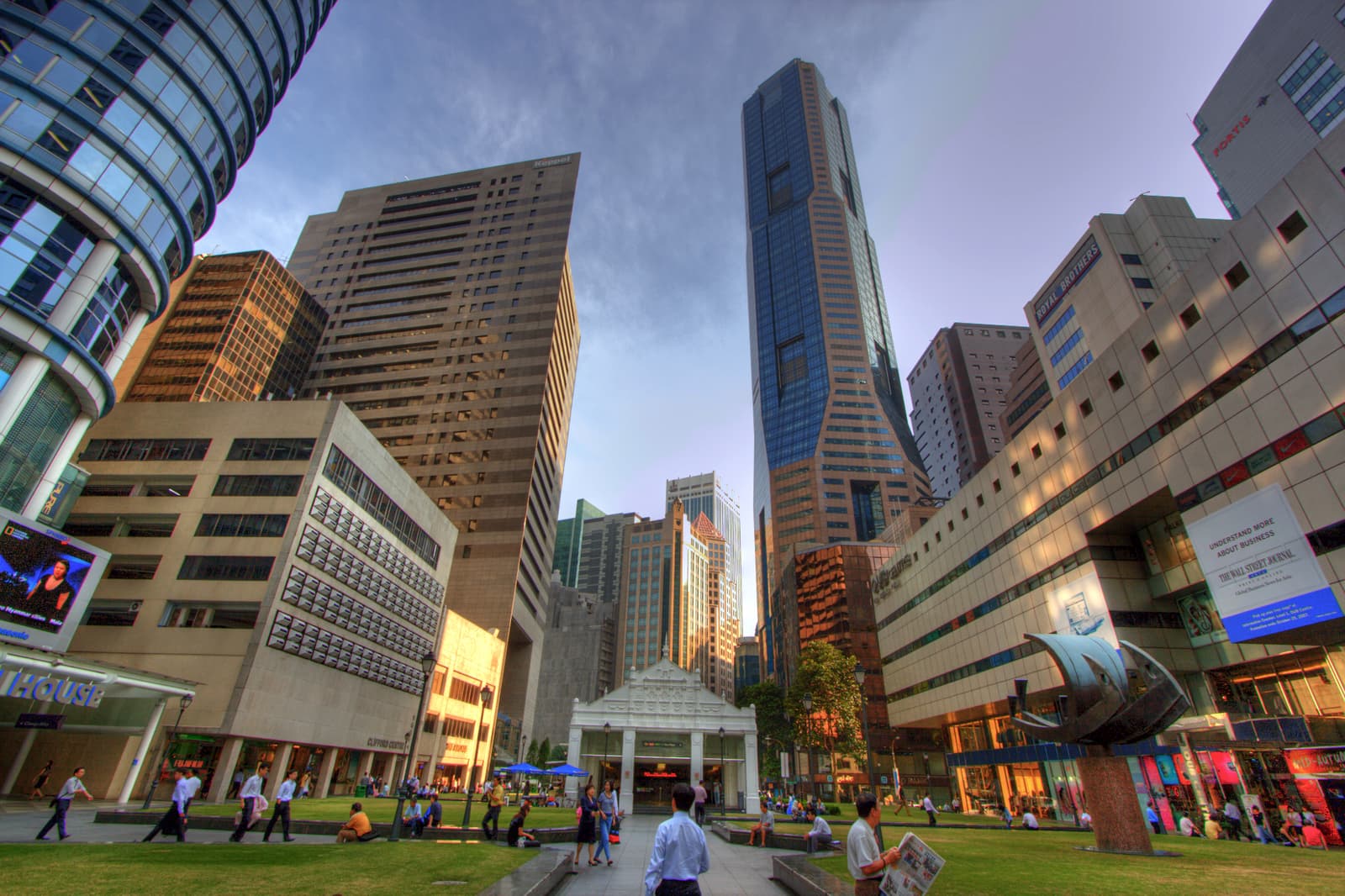
Choose this area when evenings are part of the point of the trip, not just something you fit in afterward. Clarke Quay keeps bars, dinner plans, and a late walk home easy, which matters more than people expect in a humid city where one more train ride can kill the mood. Robertson Quay usually feels a little calmer and more dining-led, while the loudest Clarke Quay stretches suit travelers who genuinely want nightlife outside the door. The tradeoff is obvious: if you are a light sleeper, an early riser, or traveling with kids, some addresses will feel more draining than fun. This area is best when you actively want the night to shape the trip.
Area tradeoff 04
Chinatown: Heritage streets, hawker density, and superb mrt convenience in a walkable footprint.
Chinatown is one of the best all-around stays for travelers who want Singapore to feel efficient and lived-in at the same time. You get excellent MRT usefulness, strong hawker-center and casual food logistics, and easy movement toward the river, Marina Bay, and the civic core. It is a particularly good fit if meals are a major part of the trip and you want lots of easy options without turning dinner into a formal event every night. The tradeoff is that it can feel busy and visitor-heavy in the middle of the day, and not every street has the same charm. But if your version of a good base includes “I can get somewhere quickly and eat well without trying,” Chinatown is hard to beat.
Area tradeoff 05
Tiong Bahru: A calmer low-rise neighborhood with cafés and a more residential rhythm.
Tiong Bahru makes sense when you care about how the city feels at 8 a.m. and 10 p.m., not only at sightseeing time. It is calmer, lower-rise, and more residential than the obvious first-timer districts, which can be a real relief if you dislike constant crowds or want a softer return after long humid days. It is also a good fit for couples, repeat visitors, or anyone who likes cafés and local neighborhood texture more than skyline drama. The price of that calm is that some marquee sights take a little more intention, and the area is less plug-and-play for a first trip built around nonstop icons. Stay here because you want the mood, not because you expect it to be the most efficient possible base.

Area tradeoff 06
Orchard: Shopping-heavy convenience with lots of hotel stock and strong rail links.
Orchard works best for travelers who like bigger hotel inventory, air-conditioned convenience, and a simple commercial district that still connects well by MRT. It can be especially useful for families, business travelers, or anyone who knows shopping, easy hotel facilities, and predictable movement matter more than sleeping in the most characterful district. The downside is that Orchard can feel detached from the version of Singapore many first-time visitors imagine. You can sightsee perfectly well from here, but you usually leave the hotel area to find the city’s more distinct street life. It is a functional choice rather than a romantic one, and that can be exactly why it works.
Area tradeoff 07
Sentosa: Resort-style stay for a very specific trip, not a default city base.
Sentosa only makes sense when the resort element is a real priority. It can work for families who want pools and a self-contained feel, or for travelers adding a leisure-heavy finish to a broader Singapore trip. What it does not do well is make the city effortless. Every dinner in Chinatown, every Marina Bay evening, and every first-time sightseeing loop carries more friction than it would from a central base. On a longer trip that may be acceptable. On a short first trip, it often feels like you chose a separate mini-destination rather than a stay that helps with Singapore itself.
Area tradeoff 08
How to choose between the main Singapore neighborhoods
Pick City Hall / Marina Bay edge if you want the least complicated first trip. Pick Bugis if you want strong transport and food with a little more everyday texture. Pick Chinatown if easy meals and MRT convenience matter more than prestige. Pick Clarke Quay or Robertson Quay if the trip is partly about evenings. Pick Tiong Bahru if you want calmer nights and do not mind planning a little more. Pick Sentosa only if you are intentionally choosing resort friction over city efficiency. In Singapore, that framing is more useful than asking which district is “best” in the abstract.
Area tradeoff 09
Booking checks that matter more than the neighborhood headline
In Singapore, the final walk matters. Check how the hotel sits relative to the MRT exit you will actually use, whether the route is sheltered enough for heat or sudden rain, and whether the surrounding block still feels convenient after dinner rather than only at 10 a.m. Also think about food logistics: a beautiful hotel in a dead pocket can feel surprisingly inconvenient in a city where quick hawker or casual dinner access is part of daily comfort. Good neighborhood advice gets you close, but the exact block decides whether the stay feels smooth.