
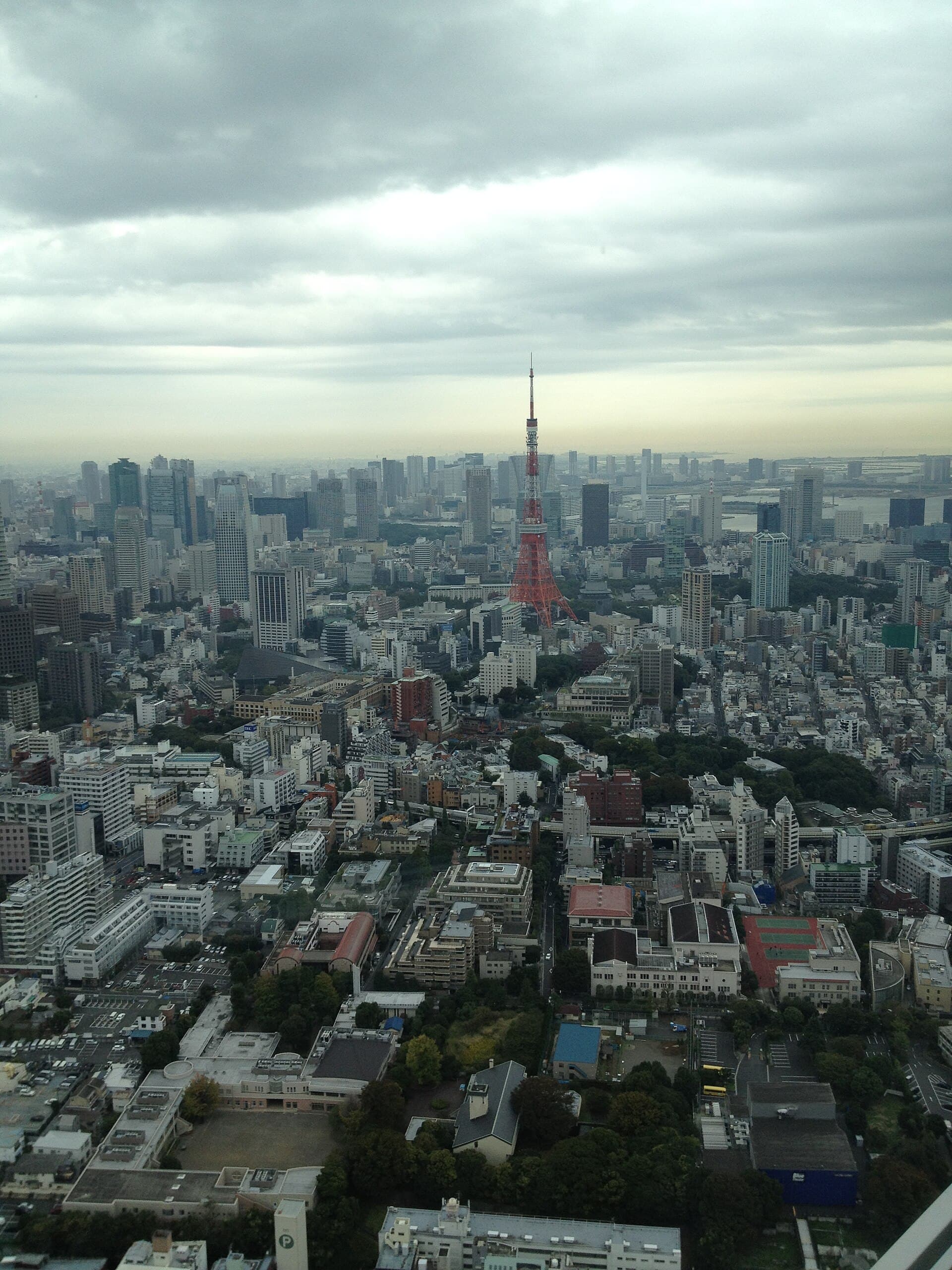
For many first-time visitors, Tokyo Station or the Ginza side is still the easiest base because it keeps arrival, orientation, and repeated sightseeing routes relatively clean. But it is not the only smart answer. Shinjuku is often better if the trip lives at night, Asakusa is better if you want a calmer reset, and Ueno can be the smartest compromise when the obvious pick feels too expensive or too formal. The right first-time base is the one that matches how you will actually move through the city when you are tired, hungry, and carrying a bag at the end of the day.
Good fit if…
- • first-time visitors who want the easiest possible Tokyo base
- • travelers who care about daily movement as much as atmosphere
- • short-stay visitors trying to reduce friction without staying in a bland nowhere zone
Skip it if…
- • you only care about nightlife and are happy to trade sleep quality for a busier Shinjuku-style stay
- • you want the cheapest possible room and accept a more complicated city routine
- • you are planning a deliberately slow residential stay far from the common first-trip routes
Map context
Where to stay in Tokyo first-time map
Compare the first-time-friendly districts, arrival anchors, and hotel examples that matter most when choosing your base in Tokyo.
Tokyo Station / Ginza side
Tokyo
neighborhoodBest all-around first-time base for a clean arrival, easy orientation, and straightforward daily routes.
Open Tokyo Station / Ginza side in Google MapsShinjuku
Tokyo
neighborhoodBest for restaurant density, late evenings, and travelers who want the west side to stay easy.
Open Shinjuku in Google MapsAsakusa
Tokyo
neighborhoodBest for travelers who want a calmer, more settled return home each night.
Open Asakusa in Google MapsUeno
Tokyo
neighborhoodUseful middle-ground area when the obvious first-time answer feels too pricey or too polished.
Open Ueno in Google MapsTokyo Station
Tokyo
transportKey arrival and transfer benchmark for judging how easy a first-time base really is.
Open Tokyo Station in Google MapsHotel Metropolitan Tokyo Marunouchi
Tokyo Station / Marunouchi
hotelExample of a first-time stay built around pure route efficiency and low-friction arrival.
Open Hotel Metropolitan Tokyo Marunouchi in Google MapsMitsui Garden Hotel Ginza Premier
Ginza / Shimbashi edge
hotelExample of paying for a polished central base because you will actually use the convenience.
Open Mitsui Garden Hotel Ginza Premier in Google Maps
Specific hotel picks
Hotels worth comparing first
These are real, central options to start your search. We do not show live rates or availability here, so use the links to verify the exact room, cancellation terms, taxes, and recent guest notes.
Hotel Metropolitan Tokyo Marunouchi
Tokyo Station / Marunouchi
Upper-midrange- Best for
- First-time visitors who want arrival, rail access, and day-to-day movement to feel simple from the first hour.
- Location note
- Directly tied to the Tokyo Station area for airport transfers, JR lines, and shinkansen use.
- Why stay
- It is a classic first-trip solver because it makes a very large city feel organized instead of intimidating.
- Watch out
- Best if you value route efficiency and calm competence more than sleeping in Tokyo’s most character-heavy streetscape.
Mitsui Garden Hotel Ginza Premier
Ginza / Shimbashi edge
Upscale- Best for
- Travelers who want a polished first-time base with strong dining access and easy central subway movement.
- Location note
- Walkable to Ginza and Shimbashi connections, which helps if your routes vary day by day.
- Why stay
- It solves the common “I want Tokyo to be easy, but I do not want to sleep inside a giant station complex” problem well.
- Watch out
- A smart booking when you will use the address heavily, not when you simply want to say you stayed in Ginza.
Hotel Gracery Shinjuku
Shinjuku
Midrange- Best for
- Visitors who want nightlife, west-side convenience, and the ability to end the night close to the action.
- Location note
- Short walk to Shinjuku Station and dense late-night food options, though the surrounding blocks stay busy.
- Why stay
- It is useful when dinner, bars, and not commuting home from them are part of what makes the trip worthwhile.
- Watch out
- Less ideal if you already suspect station crowds, noise, or Kabukicho-adjacent energy may wear on you.
The Gate Hotel Kaminarimon by Hulic
Asakusa
Upper-midrange- Best for
- Couples and slower travelers who want a first stay with personality, calmer nights, and easier temple-side mornings.
- Location note
- Close to Senso-ji approaches and useful subway links for east-side and central routes.
- Why stay
- It gives first-timers a more atmospheric home base without pushing them far from the city’s main sightseeing logic.
- Watch out
- Not the best fit if your trip revolves around repeated Shibuya or Shinjuku evenings.
Mimaru Tokyo Ueno North
Ueno
Apartment-style midrange- Best for
- Families or longer-stay travelers who want more space without giving up practical city access.
- Location note
- Useful for Ueno Station, museum access, and airport or regional rail logic.
- Why stay
- It is a strong compromise booking when room setup and straightforward daily function matter as much as prestige.
- Watch out
- Choose it for space and practicality, not because the immediate streets are Tokyo at their most glamorous.
Trip planning
Compare stays against the neighborhood tradeoffs here.
Use these Tokyo hotel picks to compare arrival ease, neighborhood feel, and whether the most atmospheric option is really the most useful for your first trip.
Search Tokyo hotelsExternal partner or booking tool; check locations, terms, and current availability before committing.
Stay tradeoff 01
Best first base: Tokyo Station / Ginza side
For most first-time visitors, this is the lowest-friction answer because it keeps airport arrival, central sightseeing, and repeated transit moves in one manageable pattern. The real advantage is not just that it is “central.” It is that the city tends to make more sense from here. You can learn Tokyo gradually instead of being dropped straight into maximum scale or nightlife density. This is especially helpful on a short trip, when one cleaner station handoff and one easier return home each day can matter more than staying in the district with the strongest personality.
Stay tradeoff 02
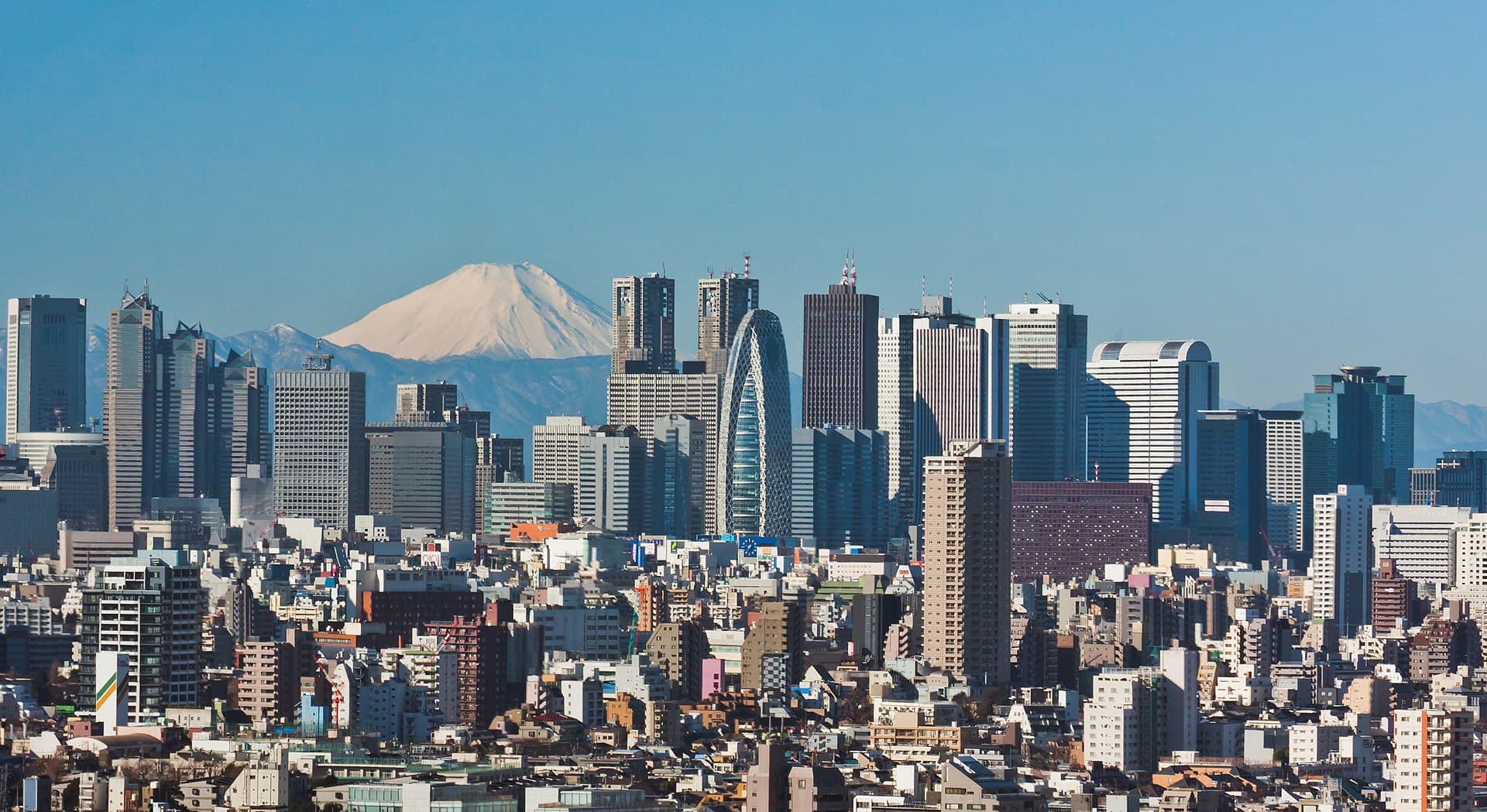
Choose Shinjuku if evenings are a major part of the trip
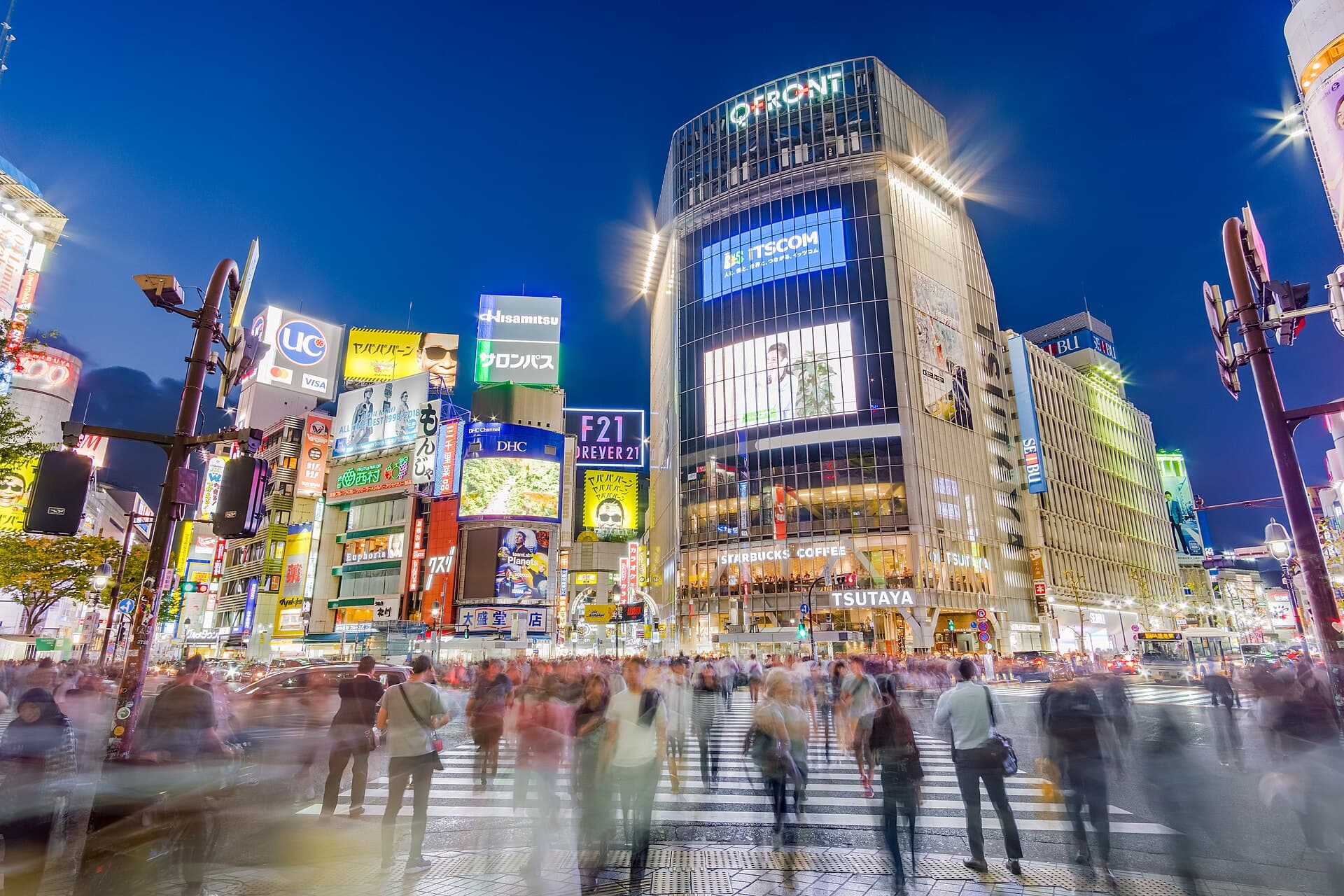
If you know dinners, bars, or simply seeing Tokyo alive after dark are part of why you are coming, Shinjuku can be the better first-time answer. The practical win is that your night does not end with one more commute. Restaurant choice is huge, rail access is excellent, and the area can make west-side neighborhoods feel very easy to use. The tradeoff is that you are buying into a denser, noisier, more confusing arrival. Shinjuku is best for travelers who see that as energy rather than stress.
Stay tradeoff 03
Pick Asakusa if you want a steadier, quieter version of Tokyo
Asakusa is the stronger first-time choice for travelers who care about coming home to something calmer. It gives you temple atmosphere, easier mornings around Senso-ji, and a neighborhood that often feels more settled than the west-side hubs. That can be perfect for couples, families, slower travelers, or anyone who suspects constant stimulation will wear thin by day two. The cost is that some restaurant nights, shopping plans, or west-side sightseeing blocks become more deliberate outings. That is fine if the calmer reset is part of the point.
Stay tradeoff 04
Ueno is the best fallback when the obvious answer feels too expensive or too intense
Ueno often solves the exact problem first-timers are having: “I want Tokyo to work well, but I do not need the most polished address.” It can offer useful rail logic, museums, easier budget breathing room, and a practical station area without feeling remote. It is not as effortlessly first-time-friendly as Tokyo Station or Ginza, and it is not as nightlife-led as Shinjuku, but that is why it works as a compromise. If the textbook answers feel slightly wrong, Ueno is usually one of the first places worth checking seriously.
Stay tradeoff 05
Why the exact station, block, or micro-location matters more than the district label
Tokyo is full of hotels that are “in the right area” but still awkward in real life. One property may be near the station exit you actually need; another may add a longer, hotter, or more confusing final walk than the map suggests. The same district can contain quiet side streets, loud nightlife strips, and businessy blocks that feel dead after dark. Before booking, trace the final approach from your likely arrival station with luggage in mind. District advice gets you in the right zone. The block-level check is what decides whether the stay feels easy.
Stay tradeoff 06
Match the base to your real trip style, not the version you imagined at home
If you want Tokyo to feel smooth and easy, stay near Tokyo Station or Ginza. If you want nights out and west-side movement to be effortless, look hard at Shinjuku. If you know you will value a steadier, more restful rhythm, Asakusa may be smarter. If you want a value-conscious practical compromise, Ueno is often the answer. The mistake is booking for an aspirational mood and forgetting how you actually behave when jet-lagged, wet from rain, carrying shopping, or trying to make one last train.
Stay tradeoff 07
Arrival and departure friction should shape the choice more than people admit
Your first and last day are the least flexible, which is why airport logic matters. Haneda is often easy enough that many central bases work well, but Narita or a late arrival can make the difference between a clean Tokyo Station handoff and a more tiring west-side transfer feel much bigger. That does not mean you should choose your whole hotel around the airport. It does mean you should be honest about whether your preferred neighborhood still feels sensible once luggage and fatigue are part of the equation.
Stay tradeoff 08
Common first-timer mistakes in Tokyo
The usual mistakes are assuming all central districts are interchangeable, underestimating station scale, and booking a loud fun neighborhood without asking whether you also want real sleep. Another common error is chasing the cheapest room deal even when it adds friction every morning and every night. In Tokyo, the smartest hotel is often the one that quietly removes problems you would otherwise keep solving over and over.
Stay tradeoff 09
Best answer in one sentence
Choose Tokyo Station or Ginza for the easiest all-around first trip, choose Shinjuku if evenings matter most, choose Asakusa if you want a calmer reset, and look at Ueno when you want the practical middle ground.