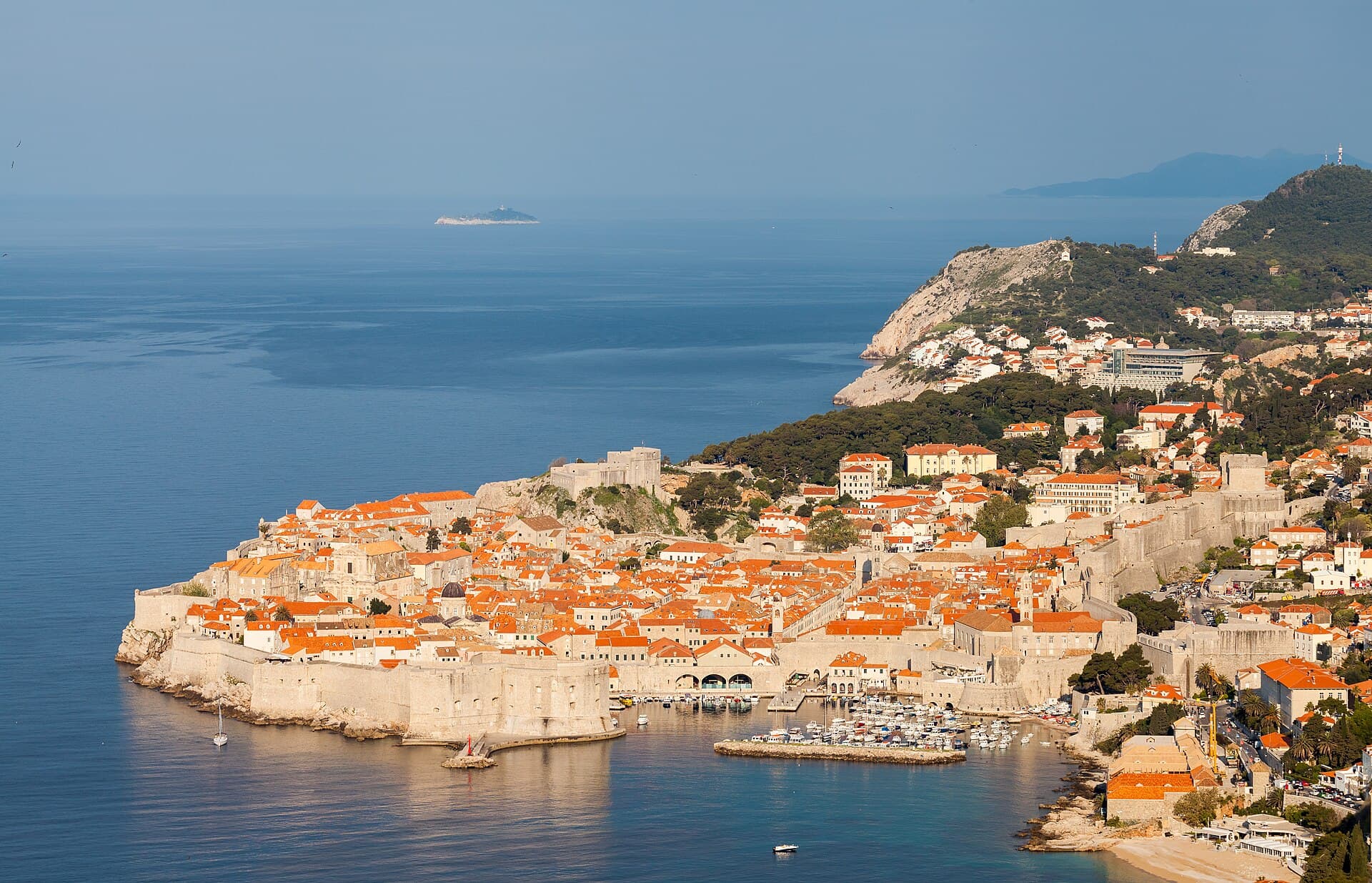
Dubrovnik is compact enough that the neighborhoods look interchangeable on a map and different enough that a wrong choice can shape the whole trip. Old Town gives you the full postcard version, but also the most stairs, the most pedestrian friction, and the least room to recover. Pile and Ploče keep you close while smoothing some of that friction. Lapad gives you beach time, larger hotels, and evenings that feel easier. Gruž is the practical outlier: less romantic, more useful than people expect. The best neighborhood is the one that makes your repeated daily routes feel obvious rather than annoying.
Good fit if…
- • travelers comparing Dubrovnik areas before booking
- • first-time and repeat visitors with different priorities
- • families, couples, and short city-break travelers
Skip it if…
- • you want advice for a car-based road trip through the wider region only
Map context
Best Dubrovnik neighborhoods to stay map
Use this map to compare the four main Dubrovnik stay styles: inside the walls, just outside the gates, beach-led Lapad, and transport-practical Gruž.
Old Town Dubrovnik
Historic center
neighborhoodBest atmosphere, most pedestrian and stair-heavy tradeoffs.
Open Old Town Dubrovnik in Google MapsPile Gate
West Old Town edge
transportMost useful gate-side location for many visitors.
Open Pile Gate in Google MapsPloče
East Old Town edge
neighborhoodGood for sea views, Banje Beach, and quick wall access.
Open Ploče in Google MapsLapad
West Dubrovnik
neighborhoodBest comfort-and-beach alternative to staying near the walls.
Open Lapad in Google MapsGruž Port
Harbor district
transportPractical ferry and airport-bus zone.
Open Gruž Port in Google MapsHotel Kompas
Lapad
hotelExample of a beach-and-comfort-led stay.
Open Hotel Kompas in Google Maps
Specific hotel picks
Hotels worth comparing first
These are real, central options to start your search. We do not show live rates or availability here, so use the links to verify the exact room, cancellation terms, taxes, and recent guest notes.
Hilton Imperial Dubrovnik
Pile
Upscale- Best for
- First-timers who want near-Old-Town access without inside-the-walls logistics.
- Location note
- Immediate access to Pile Gate and transport links.
- Why stay
- It shows why Pile is such a strong default: close enough to the walls to feel central, practical enough that arrival day does not feel like a test.
- Watch out
- Premium pricing, and you are outside rather than inside the walls.
Hotel Excelsior
Ploče
Luxury- Best for
- Travelers who want sea views and quick Old Town access with hotel amenities.
- Location note
- Walkable to Ploče Gate and Banje Beach.
- Why stay
- A good example of how Ploče can outperform Old Town itself if views, beach access, and full hotel comfort matter.
- Watch out
- The location is scenic, not effortless; summer heat and some uphill walking are still part of the bargain.
Hotel Kompas
Lapad
Upscale- Best for
- Visitors who want beach access, a promenade, and easier downtime.
- Location note
- Best for Lapad stays rather than constant Old Town popping in and out.
- Why stay
- Shows the best version of the comfort-first Dubrovnik choice: promenade, water, and a base built for actual downtime.
- Watch out
- Bus or taxi time to Old Town becomes part of the routine.
Berkeley Hotel
Gruž
Midrange- Best for
- Travelers who care about ferry, airport-bus, and practical transport links.
- Location note
- Near the harbor and useful for onward travel days.
- Why stay
- Represents the useful, transport-smart side of Gruž for travelers who care more about function than postcard romance.
- Watch out
- You do not get classic Old Town atmosphere outside the door.
The Pucic Palace
Old Town
Luxury- Best for
- Travelers who specifically want to sleep inside the walls despite the tradeoffs.
- Location note
- Right in the historic core with immediate pedestrian access to Stradun.
- Why stay
- A clear atmosphere-first pick for travelers who want Old Town itself to be the defining part of the stay.
- Watch out
- Arrival logistics and luggage handling are less simple.
Trip planning
Compare stays against the neighborhood tradeoffs here.
Compare hotels by the neighborhood problem they solve: waking up in the postcard, reaching the gate easily, getting to ferries cleanly, or having enough beach-and-hotel comfort to slow the trip down.
Search Dubrovnik hotelsExternal partner or booking tool; check locations, terms, and current availability before committing.
Area tradeoff 01
Old Town: strongest atmosphere, most tradeoffs
Old Town is still the emotional center of Dubrovnik. If you stay there, the city feels special first thing in the morning and late at night in a way the outer districts cannot quite copy. But you are also choosing pedestrian lanes, tighter rooms, and more friction every time luggage, groceries, or a tired walk home enters the picture. It works best when the atmosphere itself is worth the inconvenience to you.
Area tradeoff 02
Pile and Ploče: the sweet spot for many visitors
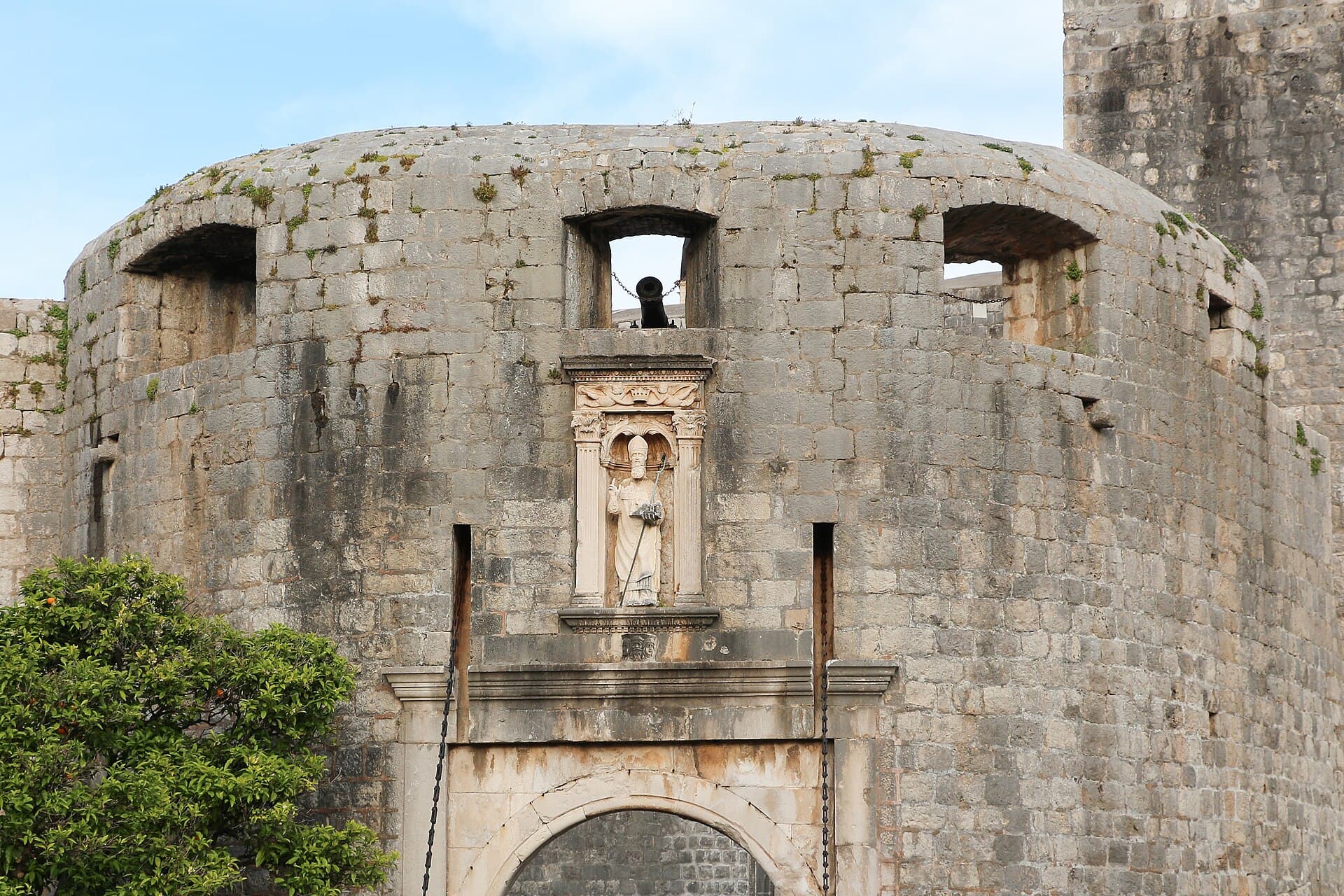
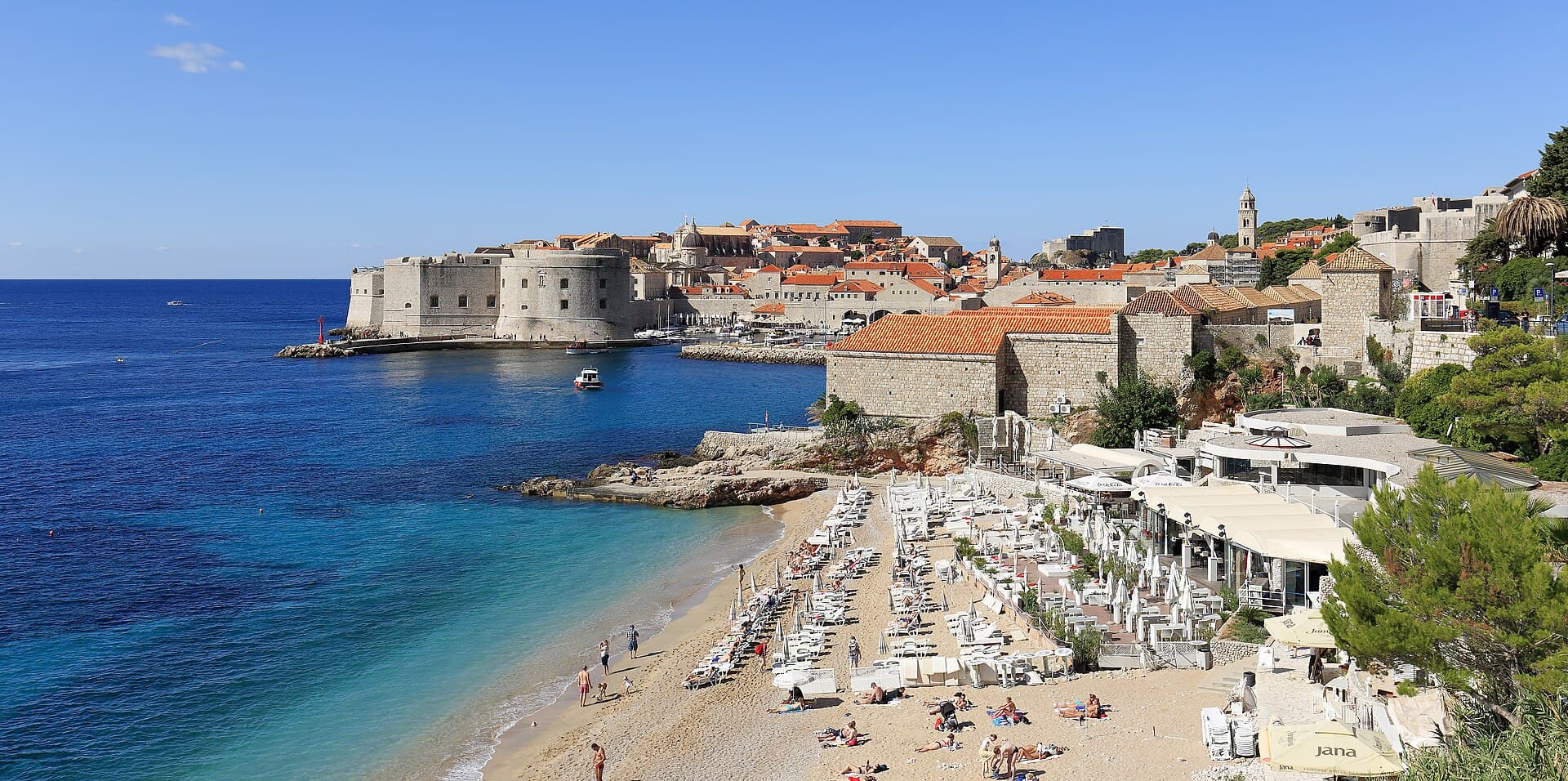
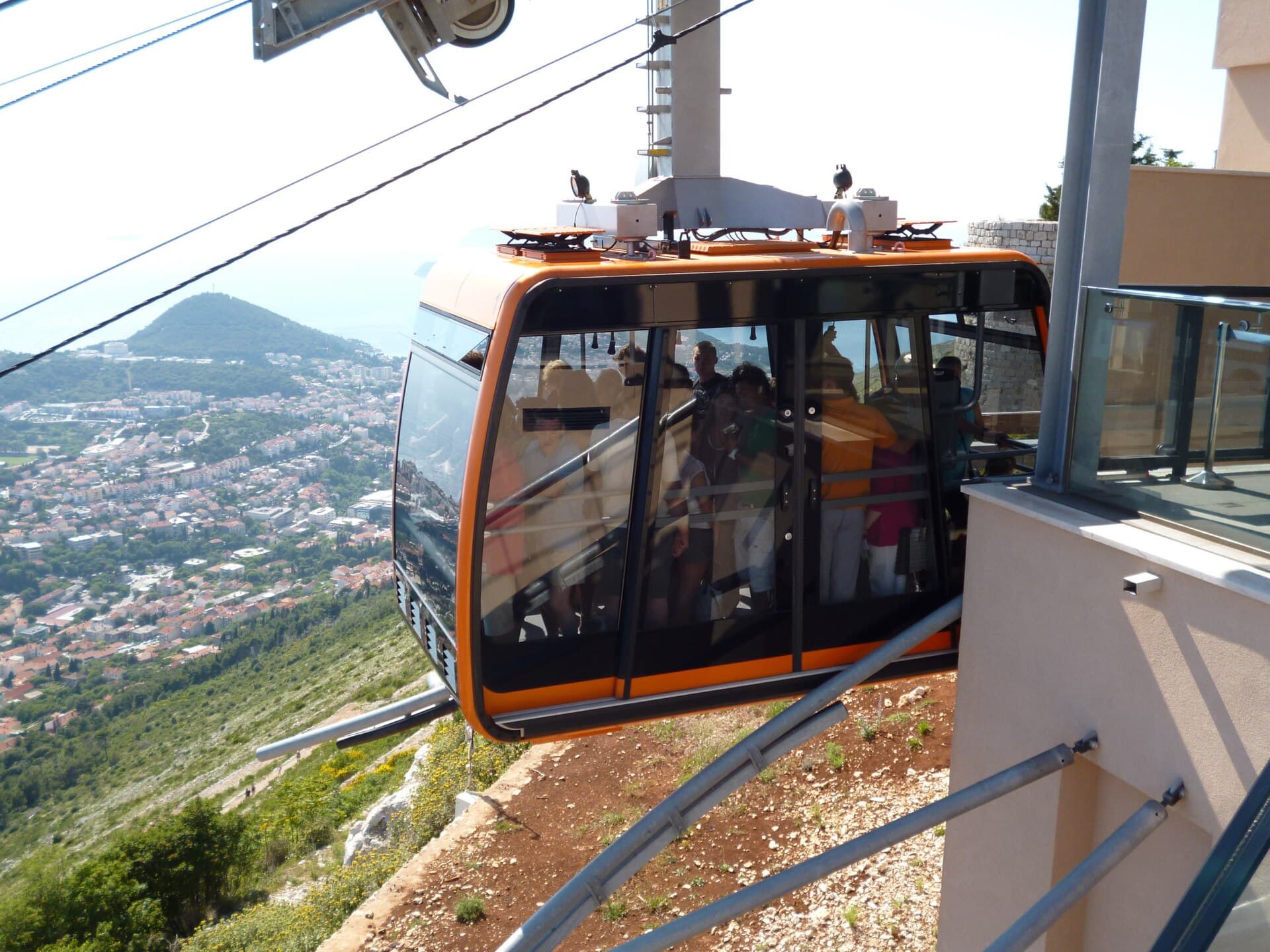
Pile and Ploče are where many first-timers land happiest because they keep the walls close without insisting that you live inside them. Pile is the cleaner practical answer for buses, transfers, and west-side access. Ploče is often prettier and better for beach or cable-car adjacency, but can involve more exposed walking and steeper approaches. Both are strong because they let you buy Old Town access with fewer daily penalties.
Area tradeoff 03
Lapad: more space and easier downtime
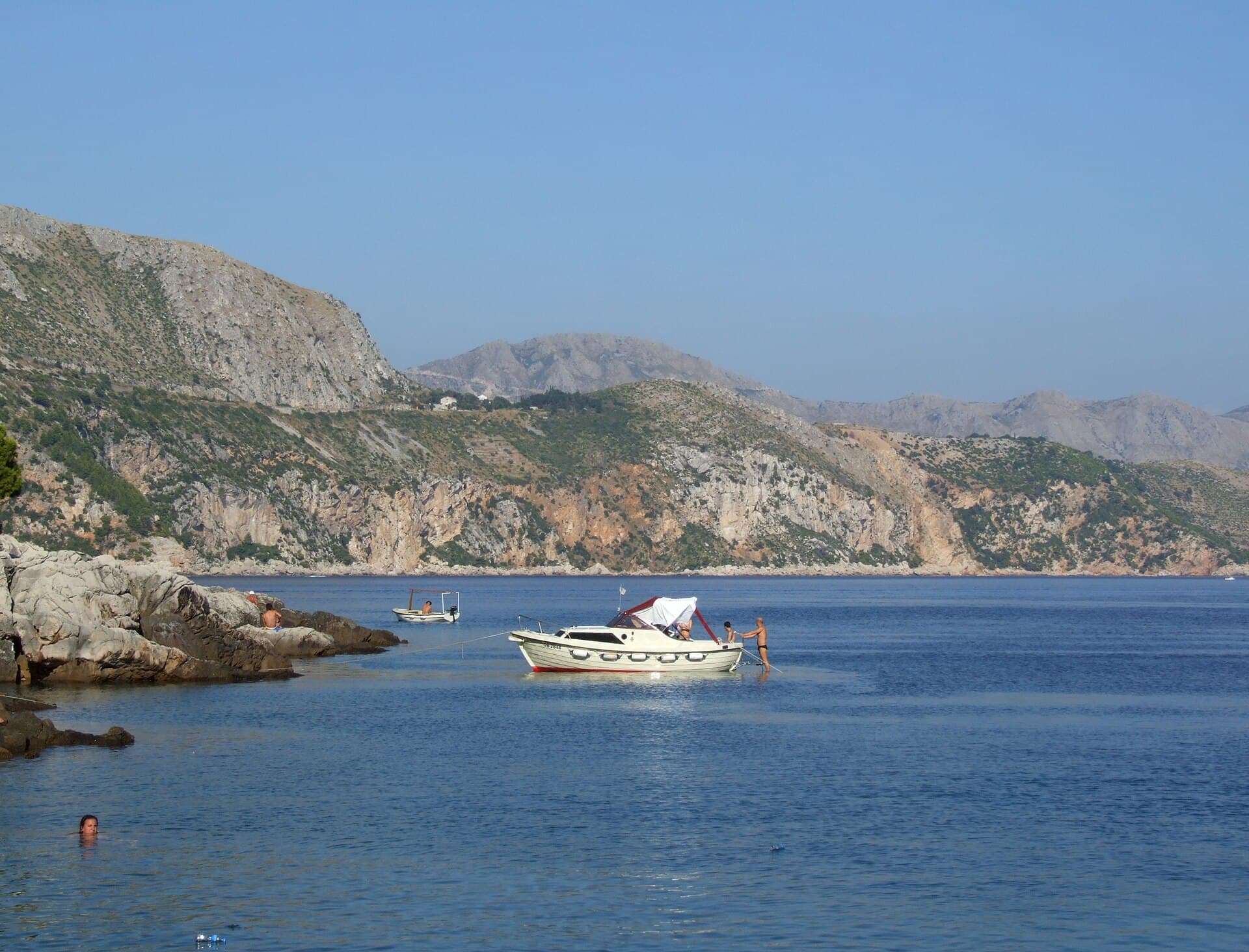
Lapad is the part of Dubrovnik that feels most like a holiday base rather than a historic-core challenge. You get more hotel-style inventory, easier sea access, and a rhythm that can absorb a lazy breakfast or an afternoon swim without guilt. The tradeoff is that Old Town becomes a planned outing instead of something you drift into whenever you like. On longer stays, that is often a feature rather than a flaw.
Area tradeoff 04
Use neighborhood choice to control trip mood
Neighborhood choice is really mood control. Old Town gives you intensity and atmosphere. Pile and Ploče give you proximity with less punishment. Lapad gives you space to cool down, and Gruž gives you function. Decide how you want mornings, afternoons, and tired returns to feel, then pick the district that matches that version of the trip.
Area tradeoff 05
Use this page to choose the right Dubrovnik mood before the right hotel
This guide is most useful when you have not yet committed to a neighborhood and need to choose the version of Dubrovnik you want to live inside. That choice matters more here than in many cities because the practical differences show up quickly: stairs, gate access, transfer ease, beach access, and how much relief you have from heat and crowds. Once you pick the right stay style, hotel shopping gets much easier because you stop hoping one property can somehow deliver medieval immersion, resort downtime, ferry convenience, and easy airport logistics all at once. Dubrovnik rarely rewards that kind of wishful thinking.
Area tradeoff 06
Choose the neighborhood that matches your repeated Dubrovnik routes
Think in loops. If you want early wall walks, dinner in the center, and minimal transport, Old Town, Pile, or Ploče makes the most sense. If you plan on beach breaks, longer dinners, or simply more room to breathe, Lapad starts to look better. If ferries, airport buses, or onward travel matter, Gruž can quietly outperform more glamorous areas. The right neighborhood is the one that shortens the routes you will repeat when you are hot, tired, or carrying something.
Area tradeoff 07
The Dubrovnik neighborhood mistakes that lead to buyer’s remorse
A lot of disappointment comes from buying a district name instead of a daily routine. Travelers choose Old Town for a five-night stay, then realize by day two that they wanted swimming, shade, and easier room layouts. Others choose Lapad for price, then resent every trip into the center because the whole vacation revolves around the walls. Read the neighborhood through the lens of heat, stairs, buses, and recovery time. In Dubrovnik, the wrong base rarely feels wrong in the first photo. It feels wrong on the third tired return.
Area tradeoff 08
If your first-choice neighborhood does not fit the budget or pace
If your ideal area looks too expensive or too intense, move one step sideways before you move far away. Pile-side or lower Ploče stays often preserve most of the upside of central Dubrovnik without the full inside-the-walls cost. Gruž can be smarter than it sounds if ferries or budget are driving the decision. Lapad becomes the right compromise when you want comfort and are willing to treat Old Town as an outing. A good fallback should solve the friction you actually care about, not just be cheaper on paper.