A good three-day Dubrovnik itinerary is not about seeing everything. It is about keeping the city dramatic instead of exhausting. The smartest version usually gives you one clear Old Town day, one walls-plus-water or viewpoints day, and one flexible day that can become Lokrum, Lapad, a boat outing, or simply a slower finish. Dubrovnik looks compact, but the combination of heat, stairs, queues, and gate bottlenecks makes overpacking the schedule a fast way to flatten the trip.
Good fit if…
- • first-time visitors with a long weekend in Dubrovnik
- • travelers wanting both sightseeing and downtime
- • people debating whether to add a boat or day trip
Skip it if…
- • you want a niche Game of Thrones-only itinerary or a diving-focused trip
Map context
Dubrovnik 3-day itinerary map context
Use this map to keep each day geographically honest so you are not crossing between gates, beaches, and boats in the hottest hours.
Old Town Dubrovnik
Historic center
landmarkMain sightseeing cluster for the short trip.
Open Old Town Dubrovnik in Google MapsPile Gate
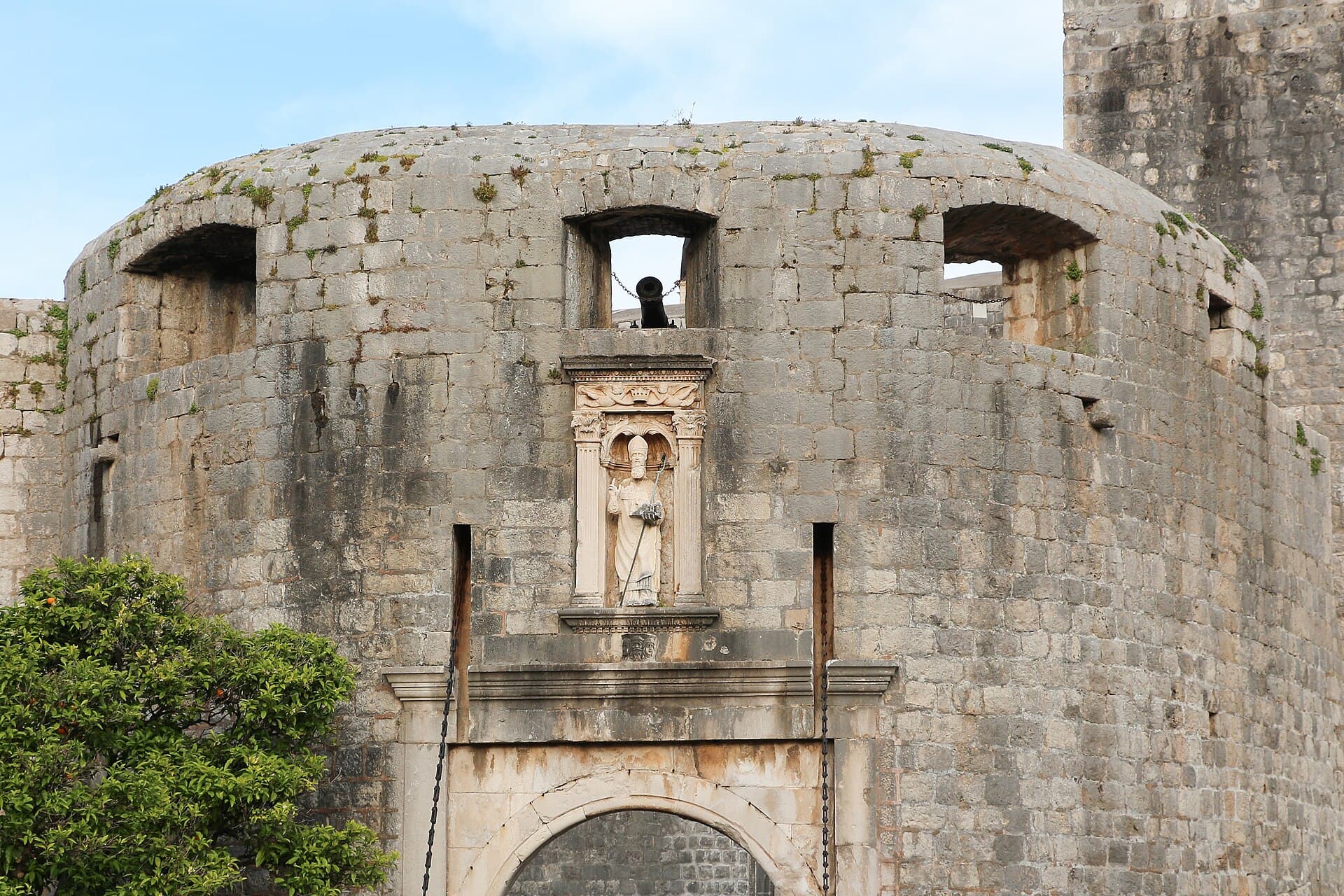
West entrance
transportKey transfer and meeting point for many tours.
Open Pile Gate in Google MapsLokrum
Island off Dubrovnik
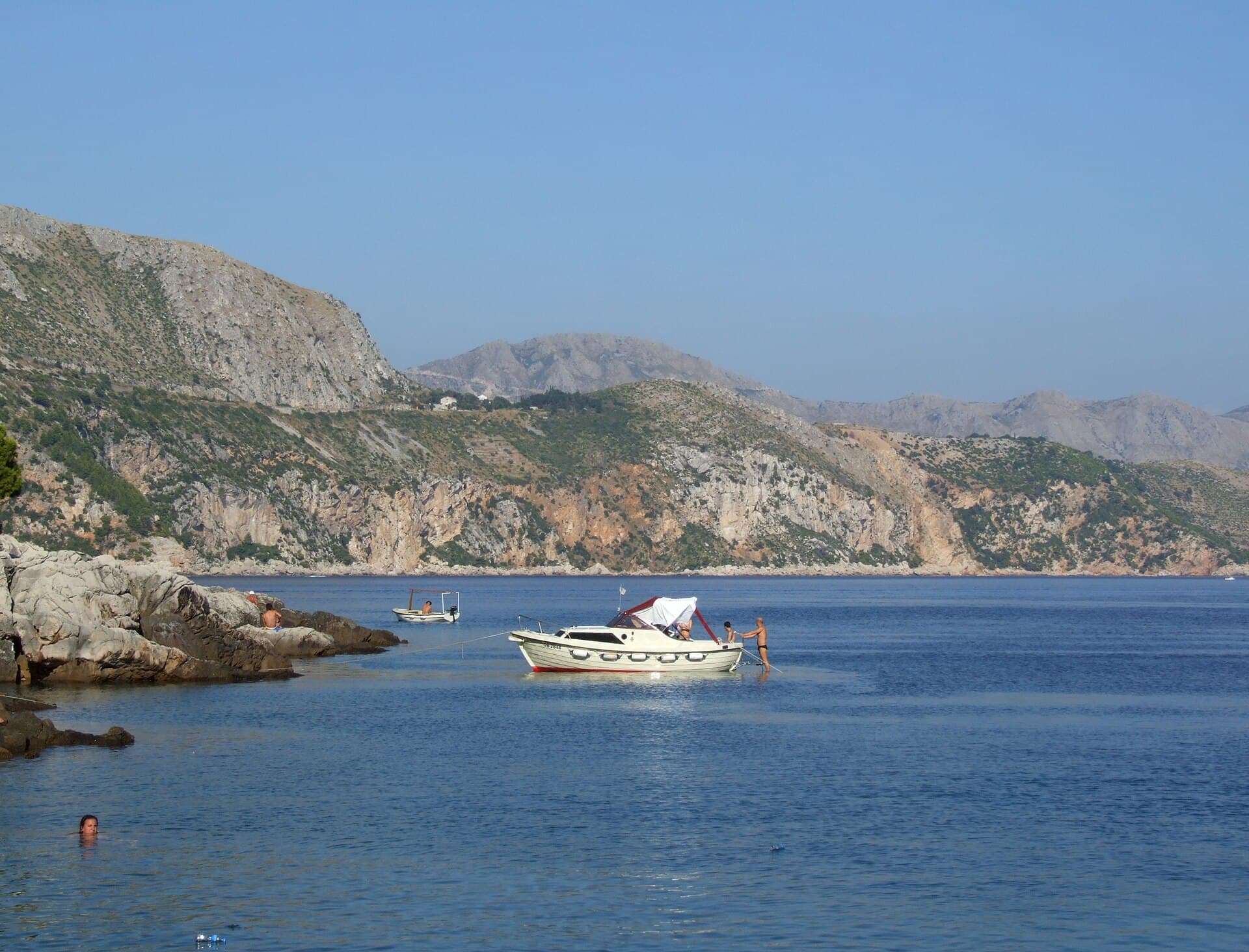
tourEasy contrast day or half-day close to town.
Open Lokrum in Google MapsBanje Beach
Ploče
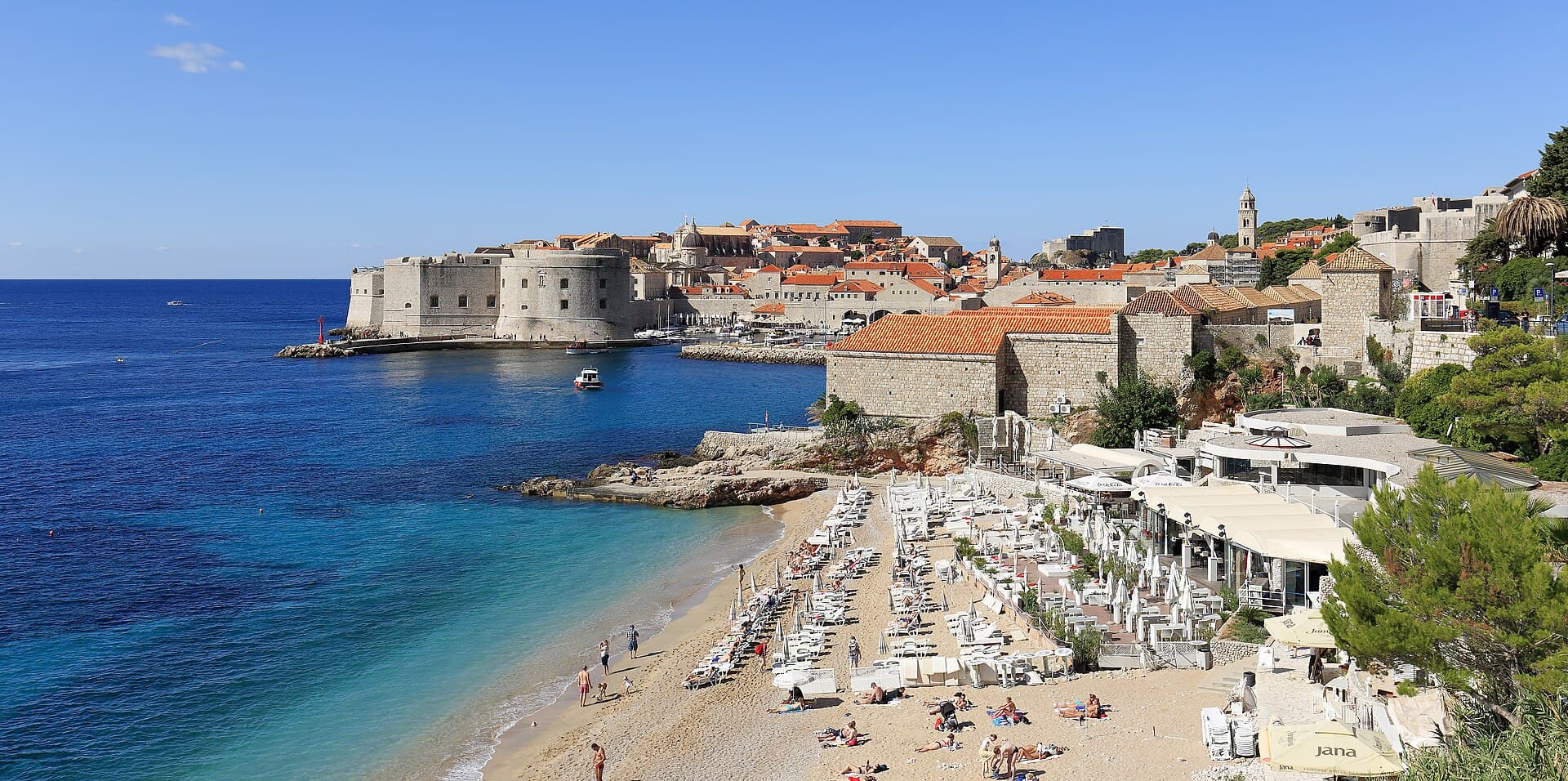
beachUseful downtime stop if the itinerary needs a lighter block.
Open Banje Beach in Google MapsLapad
West Dubrovnik
neighborhoodAlternative base or Day 3 comfort zone.
Open Lapad in Google MapsHilton Imperial Dubrovnik
Pile
hotelExample of a hotel that keeps a three-day stay efficient.
Open Hilton Imperial Dubrovnik in Google Maps
Specific hotel picks
Hotels worth comparing first
These are real, central options to start your search. We do not show live rates or availability here, so use the links to verify the exact room, cancellation terms, taxes, and recent guest notes.
Hilton Imperial Dubrovnik
Pile
Upscale- Best for
- Travelers who want the easiest three-day sightseeing base near the gate.
- Location note
- Very short walk to Old Town with simpler transfer logistics.
- Why stay
- Hard to beat for a short Dubrovnik stay centered on Old Town.
- Watch out
- Premium rates and outside-the-walls setting.
Hotel Excelsior
Ploče
Luxury- Best for
- Visitors who want sea views, beach access, and easy Old Town walks.
- Location note
- Walkable to Ploče Gate and Banje Beach.
- Why stay
- A good match for a three-day plan balancing sights and downtime.
- Watch out
- Still a warm uphill return at certain times of day.
The Pucic Palace
Old Town
Luxury- Best for
- Travelers who want to be inside the atmosphere for a short splurge stay.
- Location note
- Immediate access to Stradun and early-morning Old Town walks.
- Why stay
- Makes sense when living inside the walls is the point of the trip.
- Watch out
- Luggage and transfer days are less smooth than gate-side hotels.
Hotel Kompas
Lapad
Upscale- Best for
- Travelers who want a calmer base and are fine using buses or taxis.
- Location note
- Best when Day 3 leans beachward or your pace is more relaxed.
- Why stay
- Good if comfort matters more than stepping into Old Town each hour.
- Watch out
- Adds commute time to the core sightseeing days.
Bookable ideas
Tours and activities to compare
Use these as a starting point, then verify the meeting point, cancellation terms, group size, and recent reviews before booking.
Dubrovnik Old Town and city walls guided tour
Walking tour
2-3 hours- Best for
- First-timers who want history context and wall timing managed well.
- Why book
- Helpful if you want historical context and a cleaner route through the city’s signature sight before the day gets hot.
- Watch out
- The guide helps with flow, but it does not erase the physical reality of exposed stone and summer queues.
Lokrum island half-day trip
Island excursion
3-5 hours- Best for
- Travelers who want a lighter Day 2 or Day 3 contrast to the stone core.
- Why book
- One of the easiest ways to keep a three-day trip from becoming all walls, stone, and restaurant breaks.
- Watch out
- Weather, ferry timing, and your own energy level determine whether it works best as a midday escape or a dedicated half day.
Elafiti Islands boat day trip
Boat day trip
8 hours- Best for
- Visitors turning Day 3 into a more relaxing island outing.
- Why book
- A strong day-three option when you want the finale to feel breezier and less urban than another pass through the core.
- Watch out
- Best only if you are happy committing the full day; otherwise it can crowd out the rest of Dubrovnik too aggressively.
Trip planning
Check guided options against the timing in this guide.
Compare activities that fit cleanly into a three-day trip, and be ruthless about anything that steals too much time from the city itself.
Search Dubrovnik toursExternal partner or booking tool; check locations, terms, and current availability before committing.
Itinerary note 01
Day 1: settle in and focus on Old Town
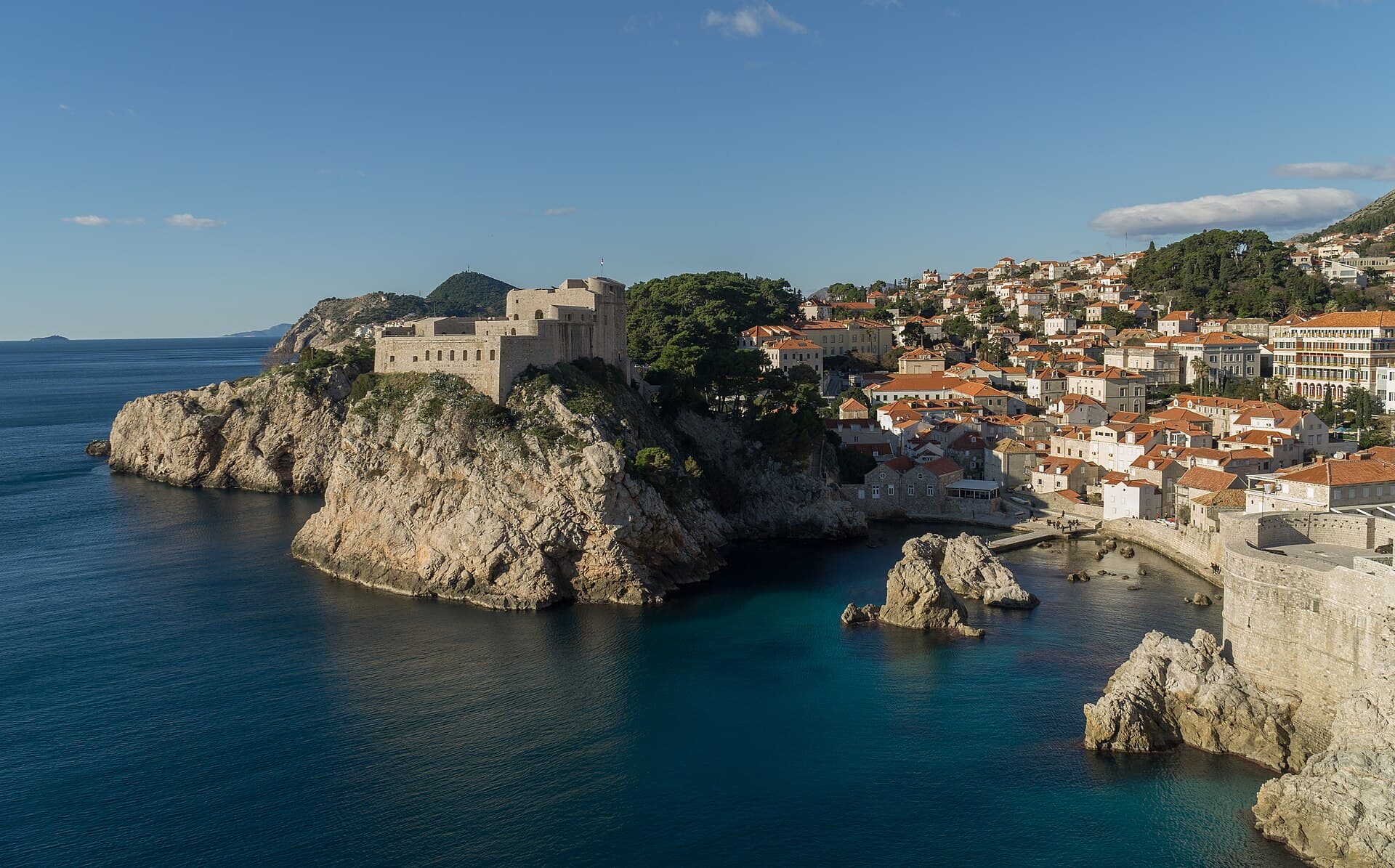
Let day one be the orientation day, not the conquest day. Walk Old Town, learn where Pile and Ploče sit, figure out how the harbor and Stradun relate to each other, and leave enough room for arrival hiccups or a long lunch. If you are staying near the walls, this is also the day to enjoy the simple privilege of stepping back out in the evening without treating it like a second full itinerary.
Itinerary note 02
Day 2: walls plus one contrasting experience
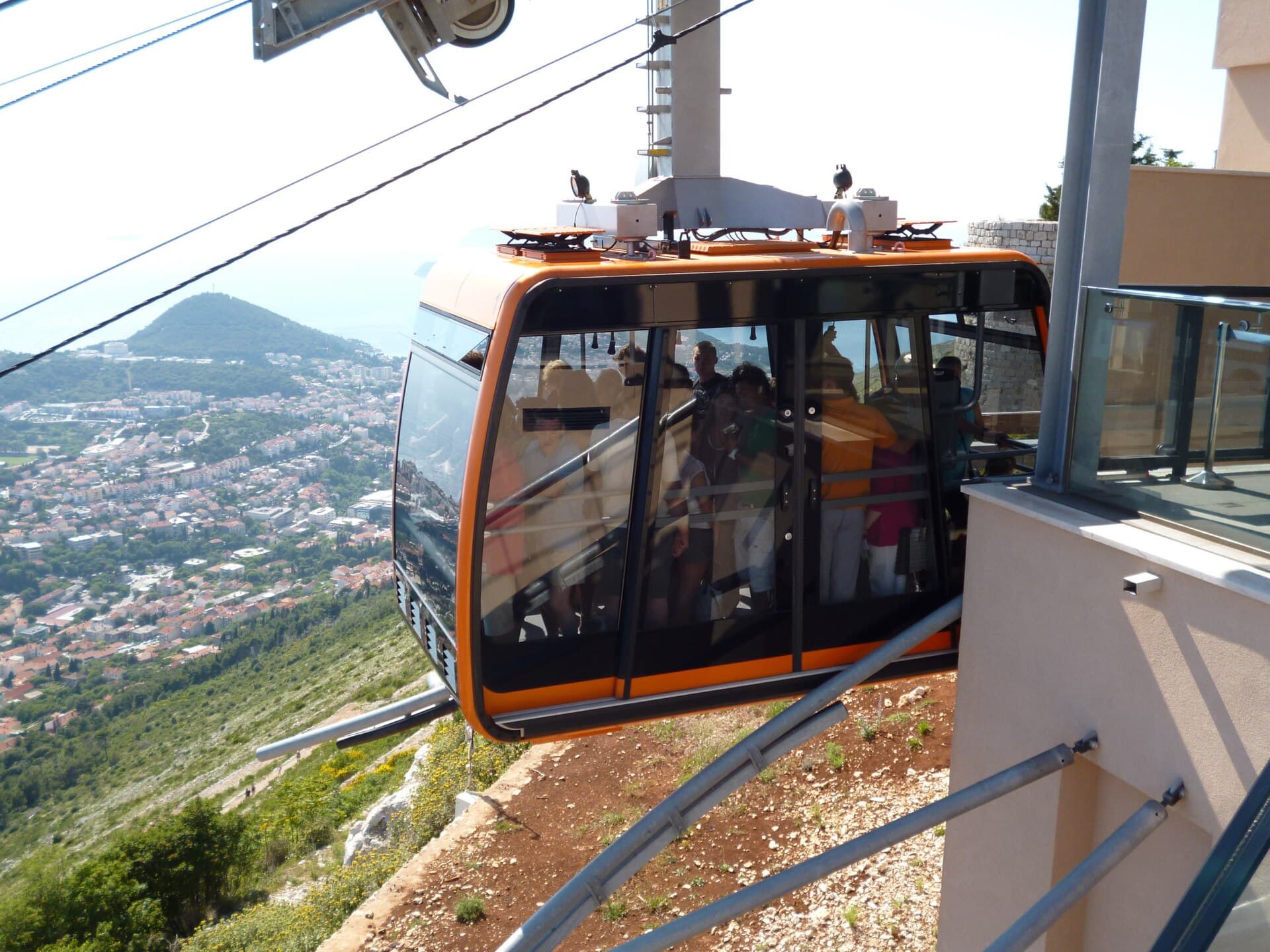
Use day two for your most exposed sightseeing while your enthusiasm is still high. If the city walls matter to you, do them early or at a cooler hour, then pair them with one contrast only: Lokrum, Banje, the cable car, or a slower harbor stretch. Trying to do walls, cable car, Lokrum, and a formal dinner all in one day is how Dubrovnik starts to feel like logistics instead of theater.
Itinerary note 03
Day 3: choose rest, beach time, or a day trip
By day three, let energy level make the call. If the group still feels fresh, this is the cleanest slot for an Elafiti boat day or a more ambitious regional outing. If the first two days were hotter or harder than expected, stay closer: Lapad, Lokrum, a long lunch, or one more calmer pass through Old Town often produces the better final memory. The point is to finish well, not to prove you squeezed every option in.
Itinerary note 04
Leave space for heat and crowds
Dubrovnik punishes false confidence more than lack of ambition. Midday stone, wall-walk exposure, cruise surges, and stair-heavy routes can make a reasonable-looking plan feel much harder in real life. Build in pauses, shade, and one fallback each day. That little bit of margin often matters more than one extra attraction.
Itinerary note 05
Use this itinerary when you want Dubrovnik’s highlights without burning out by day two
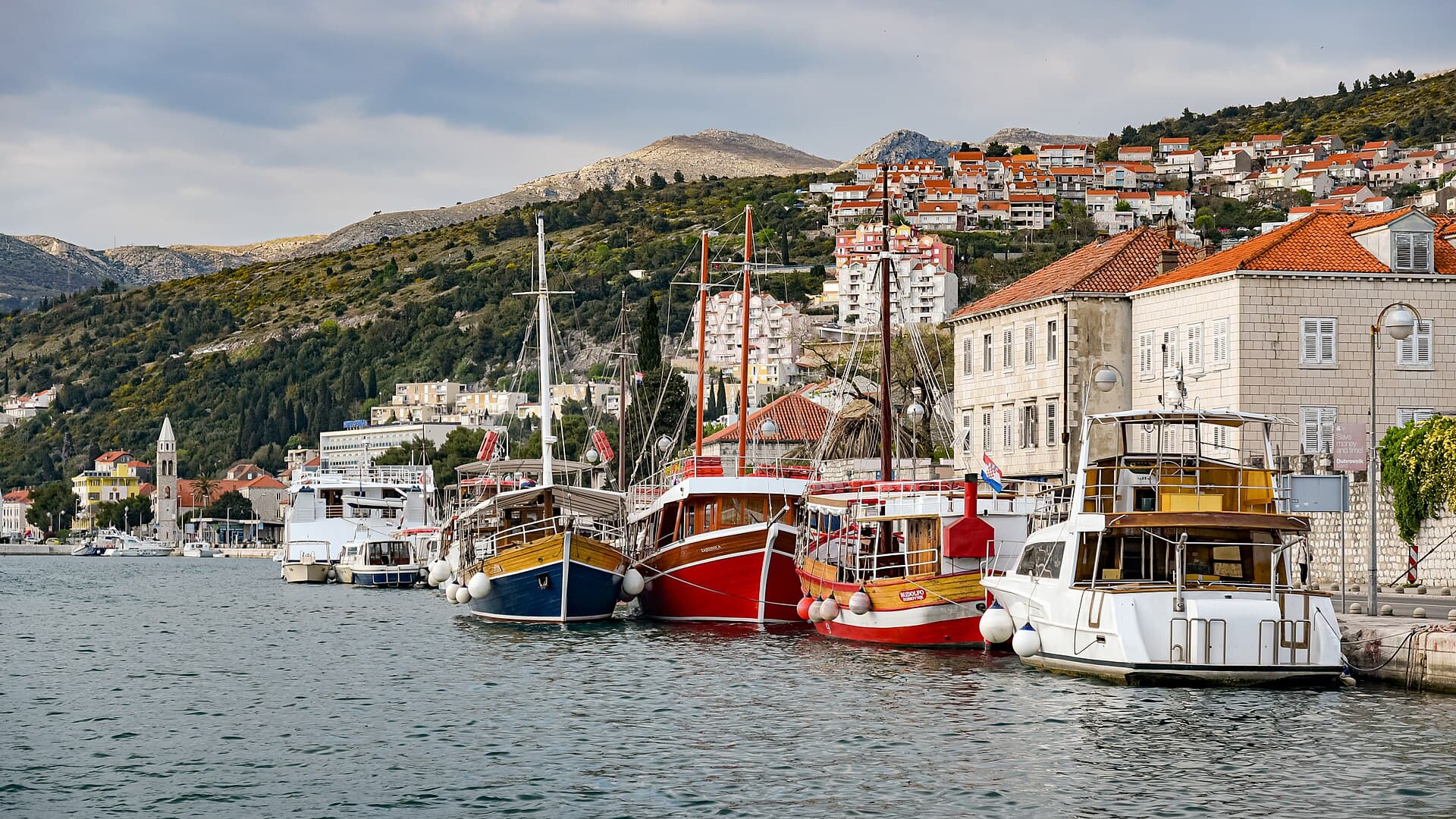
This itinerary is for travelers who want the core Dubrovnik experience to feel coherent rather than frantic. It assumes the priorities are Old Town, the walls, one sea-or-viewpoint contrast, and enough flexibility to respond to weather and energy. That makes it especially good for first visits and long weekends. Dubrovnik rewards sequence more than volume: doing the right thing at the right hour beats doing three famous things badly. A strong three-day plan should make the city feel richer on each pass, not smaller and more repetitive.
Itinerary note 06
Why the itinerary separates walls, water, and wider Dubrovnik time
The structure is deliberate. Day one absorbs the unpredictability of arrival and lets you learn the city without pressure. Day two isolates the most physically demanding sight and balances it with only one other major block. Day three stays open because that is where travelers diverge most: some want a boat, some want a beach, some just want the city at a gentler pace. Separating those energies keeps each day from becoming all stone, all queues, or all transfer time.
Itinerary note 07
What usually breaks a 3-day Dubrovnik plan
The usual failure is acting as if every famous Dubrovnik activity is only “a short walk away,” then stringing them together across the hottest hours. Another is overcommitting to timed tickets or tours before you know how your first full day feels. Keep the one thing you care most about locked in, leave the rest movable, and remember that a great Dubrovnik trip often includes some deliberate idling by the water. Not every empty hour needs to be corrected.
Itinerary note 08
How to soften the itinerary without wasting the trip
If the group is slowing down, trade ambition for contrast rather than for nothing. Swap a big day trip for Lokrum. Replace another hot climb with Lapad and a nice dinner. Skip the walls entirely if they are no longer exciting and use those hours for a boat ride or quieter exploration. The trip still works as long as each day has one clear anchor and enough air around it to feel enjoyable.