If you are visiting Lisbon without a car, the city is on your side. The challenge is not whether you can get around. It is whether your hotel makes that easy every day. Baixa, Chiado, and Avenida da Liberdade are usually the strongest no-car bases because they keep metro, trains, airport routes, and major sights within reach without unnecessary climbing. Alfama and Graça are still possible without a car, but they only feel easy if you knowingly accept hills, slower returns, and more taxi help at the margins.
Good fit if…
- • travelers arriving by plane or train
- • couples doing a city break with no rental car
- • visitors planning Sintra or Cascais day trips
Skip it if…
- • you want to drive and need simple parking
- • you are specifically chasing a secluded residential stay far from transit
Map context
Lisbon without a car map context
Use this map to compare the station hubs and hotel zones that keep Lisbon practical without a rental car, especially for airport and day-trip movement.
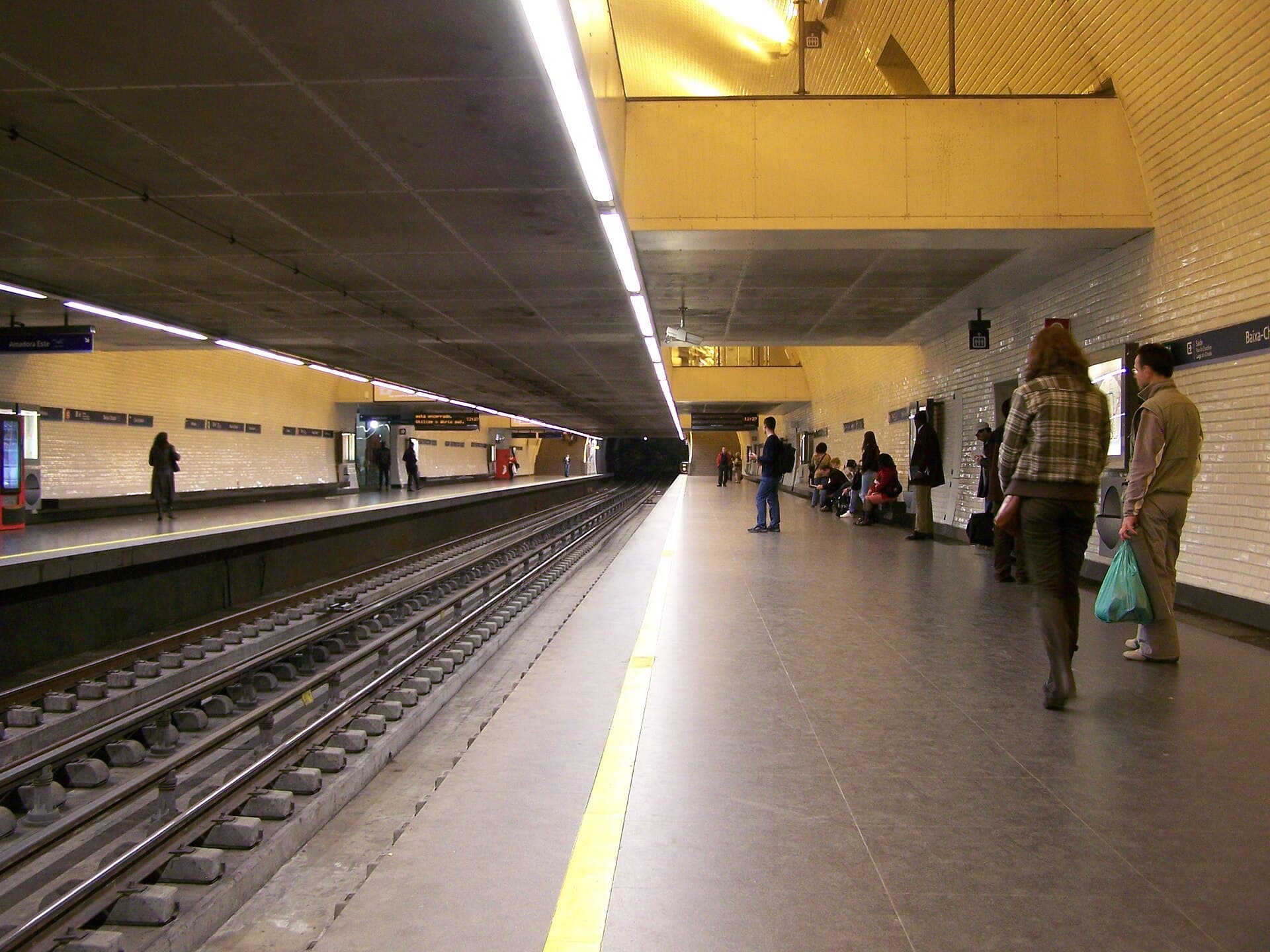
Baixa-Chiado Metro Station
Central Lisbon
transportCentral transit anchor for many no-car itineraries, especially if you also want walkable sightseeing.
Open Baixa-Chiado Metro Station in Google MapsCais do Sodré Station
Riverfront Lisbon
transportKey for Cascais trains, ferries, and riverfront-heavy itineraries.
Open Cais do Sodré Station in Google MapsRossio Station
Central Lisbon
transportMain Sintra rail departure point and a good test of whether your base is really practical.
Open Rossio Station in Google MapsSaldanha Station
Central-north Lisbon
transportUseful for airport-friendly metro movement and calmer, practical hotel zones.
Open Saldanha Station in Google MapsHotel da Baixa
Baixa
hotelSample hotel for the easiest central no-car setup.
Open Hotel da Baixa in Google MapsCorpo Santo Lisbon Historical Hotel
Cais do Sodré edge
hotelSample stay for travelers whose no-car plan leans heavily on trains and ferries.
Open Corpo Santo Lisbon Historical Hotel in Google Maps
Specific hotel picks
Hotels worth comparing first
These are real, central options to start your search. We do not show live rates or availability here, so use the links to verify the exact room, cancellation terms, taxes, and recent guest notes.
Hotel da Baixa
Baixa
Upper-midrange- Best for
- No-car travelers who want the cleanest mix of walking, metro, and station access.
- Location note
- Flat access to metro, Rossio, and central sights.
- Why stay
- One of the strongest choices when you want the city to feel simple without constantly calculating transfers.
- Watch out
- As with any central hotel, check how recent guests describe nighttime street noise.
Corpo Santo Lisbon Historical Hotel
Cais do Sodré edge
Upscale- Best for
- Travelers relying heavily on trains, ferries, and easy west-side movement.
- Location note
- Near Cais do Sodré for coast trains and river links.
- Why stay
- Hard to beat if a no-car itinerary includes Cascais, ferries, or repeated train use and you still want to stay central.
- Watch out
- The surrounding area has more movement and nightlife energy than a purely calm hotel district.
Lisboa Pessoa Hotel
Chiado / Carmo
Upscale- Best for
- Visitors who want transit access but do not want a purely practical-feeling neighborhood.
- Location note
- Good central position, though daily walking includes some slope.
- Why stay
- A good balance if you want restaurants, atmosphere, and central reach while still skipping the car entirely.
- Watch out
- Not as painless as flatter Baixa options when bags, heat, or tired legs are part of the equation.
EVOLUTION Lisboa
Saldanha
Midrange modern- Best for
- Travelers who care most about airport access, metro convenience, and cleaner daily transport logic.
- Location note
- Close to major metro links and easy taxi pickup.
- Why stay
- A very practical choice when transport efficiency matters more than sleeping in postcard Lisbon.
- Watch out
- You give up some romance and spontaneous old-center wandering right outside the door.
Trip planning
Compare stays against the neighborhood tradeoffs here.
Compare these no-car hotel options by metro access, station convenience, and whether the final walk still feels reasonable with luggage.
Search Lisbon hotelsExternal partner or booking tool; check locations, terms, and current availability before committing.
Stay tradeoff 01
Prioritize metro and train access over postcard views
Car-free Lisbon works best when your base connects well in more than one direction. That usually means easy metro, realistic walks to Rossio or Cais do Sodré, and a route home that still feels okay after a long day. Scenic hill neighborhoods can still be wonderful, but they stop feeling clever quickly if every airport, train, or dinner return turns into a small logistics problem.
Stay tradeoff 02
Baixa is the safest bet for low-friction movement
Baixa is especially strong without a car because it keeps movement simple. You can mix walking, metro, and train use without much uphill punishment, which matters more than it sounds over several days. If your goal is a trip that feels operationally easy, Baixa is usually the cleanest answer.
Stay tradeoff 03
Choose Chiado if you want convenience without feeling too businesslike
Chiado keeps much of Baixa's usefulness while giving you a stronger neighborhood feel: better cafés, nicer dinner energy, and a more obviously “Lisbon” city-break mood. The tradeoff is more slope and more block-by-block variation. It is a good no-car choice when you want atmosphere but do not want to give up the center.
Stay tradeoff 04
Book hill neighborhoods only if you are choosing them on purpose
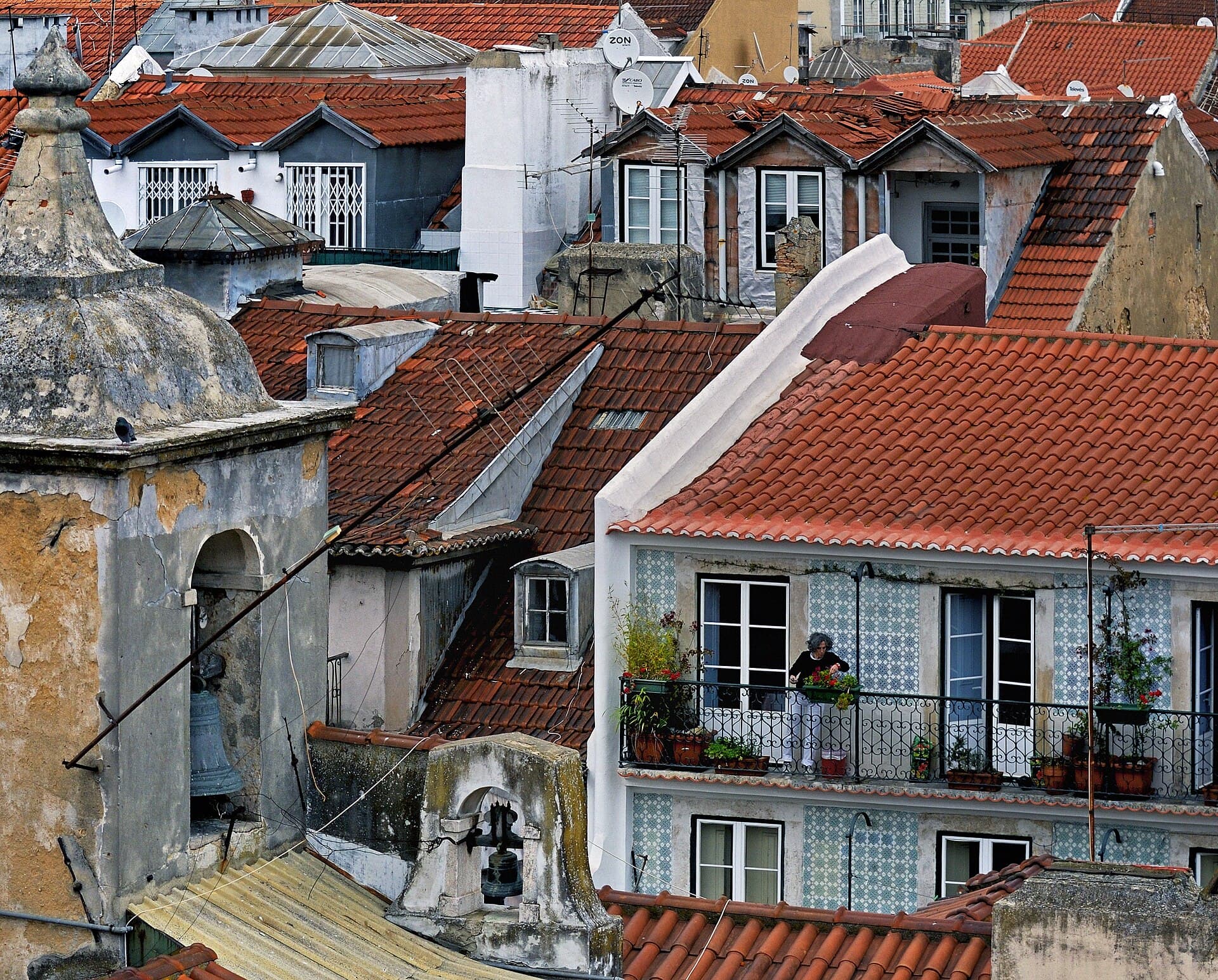
Alfama and Graça are perfectly doable without a car, but they ask more from you. Expect hills, steps, uneven stone, and occasional reliance on a taxi or rideshare when you are tired, arriving late, or moving luggage. That is fine when it is the trip you want. It is frustrating when you thought “central” would mean easy.
Stay tradeoff 05
Best bases for trains and day trips
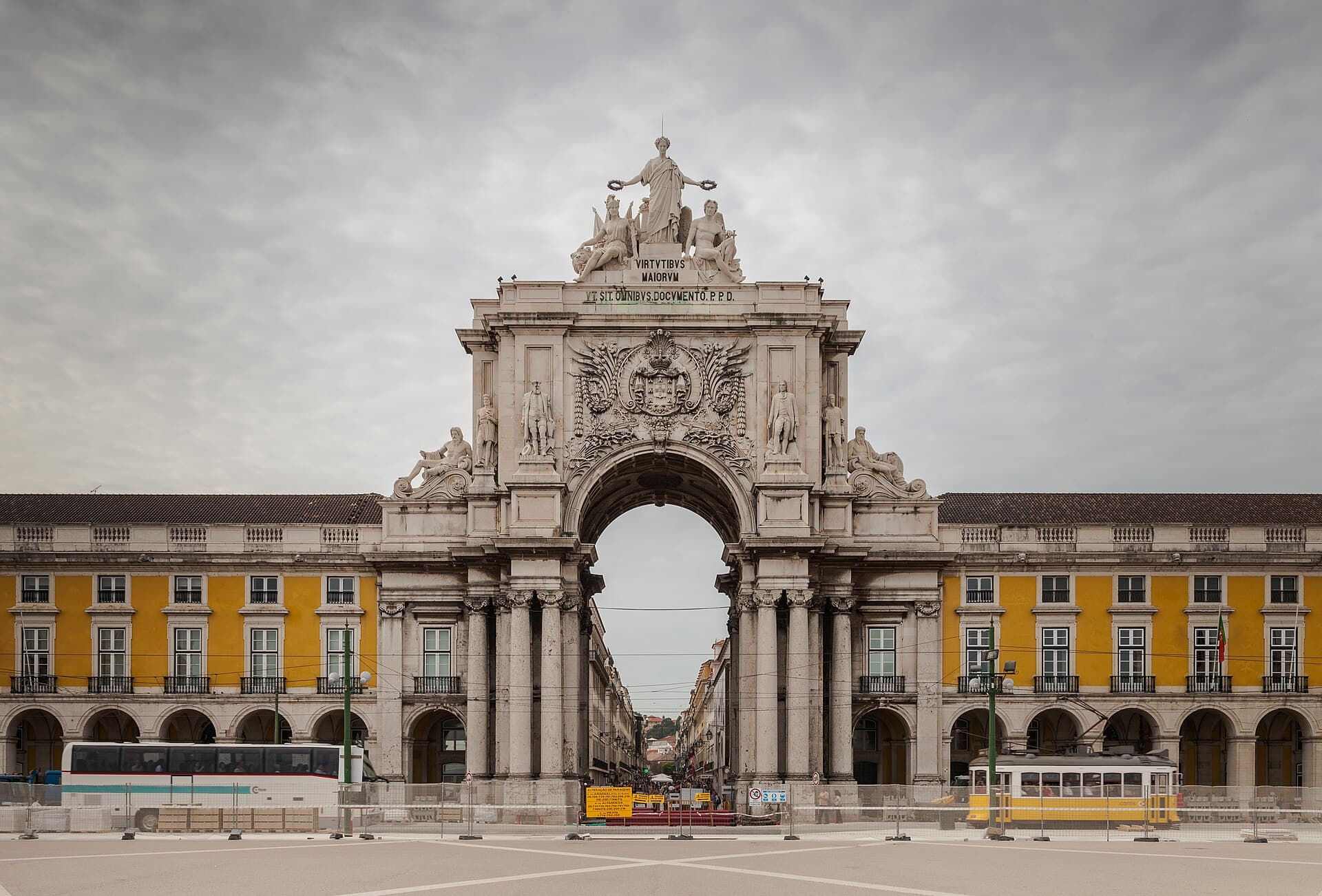
If Sintra, Cascais, or Belém are on the plan, stay where those repeated departures feel painless. Baixa and Chiado keep Rossio, Cais do Sodré, and metro links close enough that the city still feels efficient without a vehicle. Avenida can also work well if you prefer a calmer hotel zone while staying transit-friendly. The best no-car base is the one that makes those recurring station runs feel boring.
Stay tradeoff 06
When not having a car is actually better
For most Lisbon trips, skipping the car is not a compromise. It is an advantage. Parking is awkward, central streets are narrow, and many of the city's best areas are easier on foot, by metro, or by short taxi rides when needed. Rent a car only if Lisbon is one stop inside a wider road trip. For a city stay, the smarter move is usually to choose the right neighborhood and let transit do the work.
Stay tradeoff 07
Use this page if you want Lisbon to work smoothly on foot and transit
This guide is for travelers who already know they are going car-free and want that choice to stay easy from the airport to the final day trip. It is especially useful for mixed itineraries with central sightseeing, Sintra or Cascais plans, and no appetite for hauling bags up scenic but awkward lanes. If you are mainly staying in one large hotel and barely moving around, neighborhood logistics matter less.
Stay tradeoff 08
Car-free Lisbon works best when your key stations stay simple
Without a car, the important anchors are Baixa-Chiado, Rossio, Cais do Sodré, and whatever metro line gets you cleanly to the airport and your daily plans. The more often you will repeat a route, the more you should weight simplicity over charm. That is why a modestly prettier hotel in a worse transit position can still be the wrong no-car choice.
Stay tradeoff 09
Car-free booking mistakes that create unnecessary transfer pain
The biggest mistake is choosing a stay that looks central but sits awkwardly uphill from the station or from any realistic taxi drop-off. Another is forgetting how much luggage changes the experience, especially on the first and last day. Read reviews for how guests actually moved around, not just how much they loved the neighborhood vibe. With no car, repeated small inconveniences become the whole story fast.
Stay tradeoff 10
If the obvious car-free bases feel too expensive or too busy
Avenida, Saldanha, and some Parque Eduardo VII areas are often better no-car compromises than a bargain in a scenic but operationally awkward quarter. You may lose instant old-town atmosphere, but you gain clean metro links, easier airport runs, and more predictable buildings. Visit Alfama or Graça by tram, taxi, or a planned uphill route; you do not necessarily need to sleep there to enjoy them.