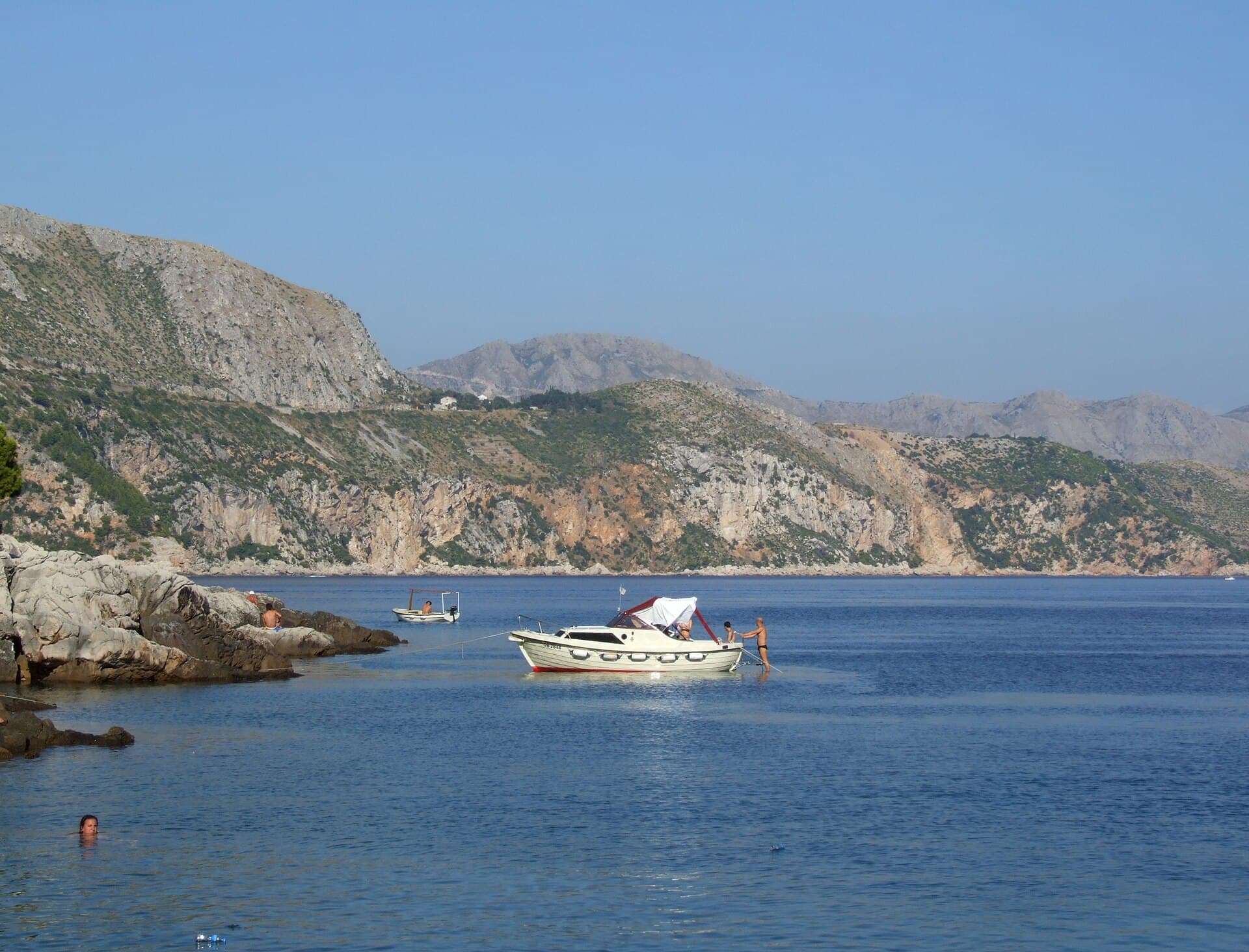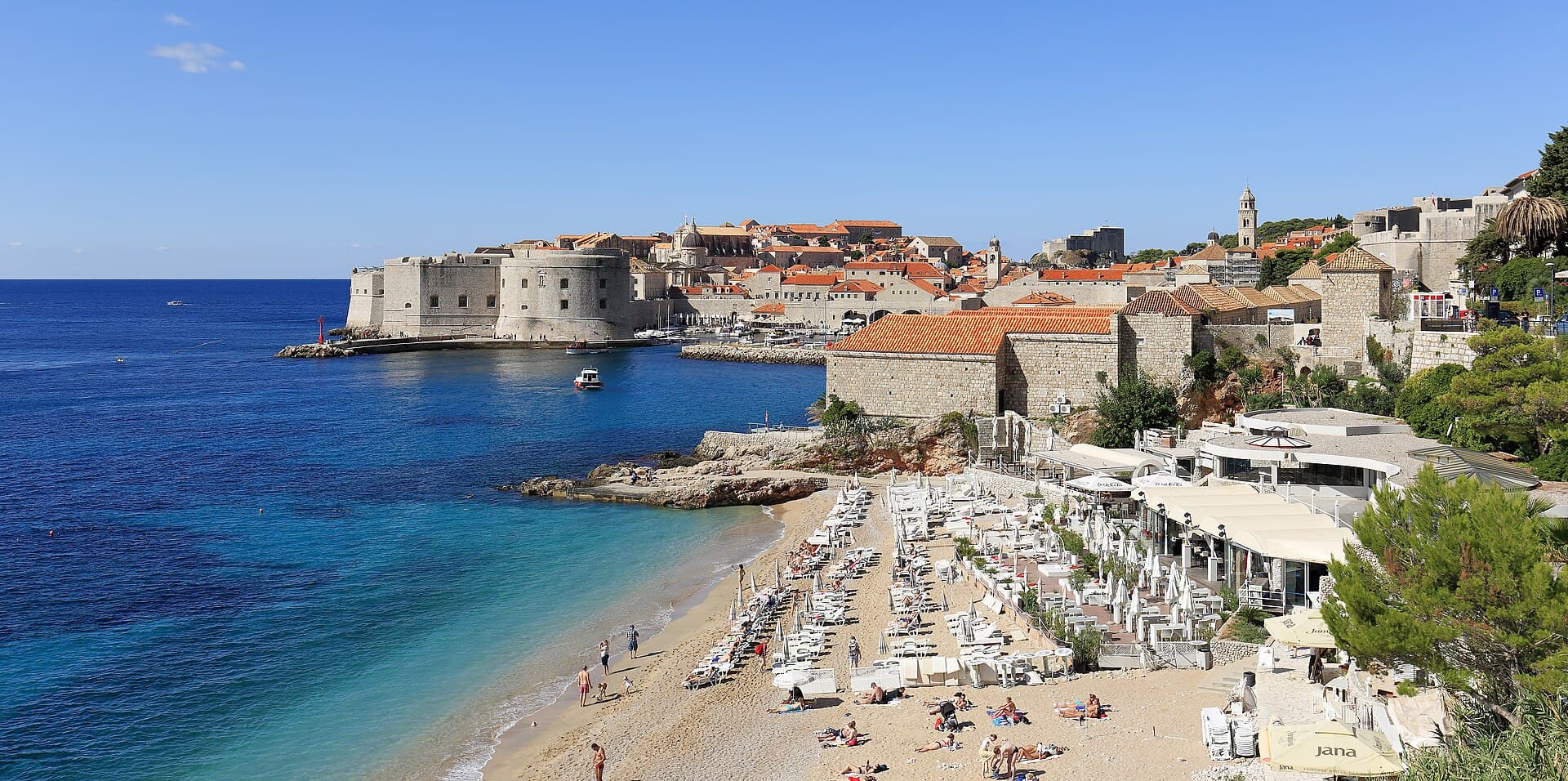
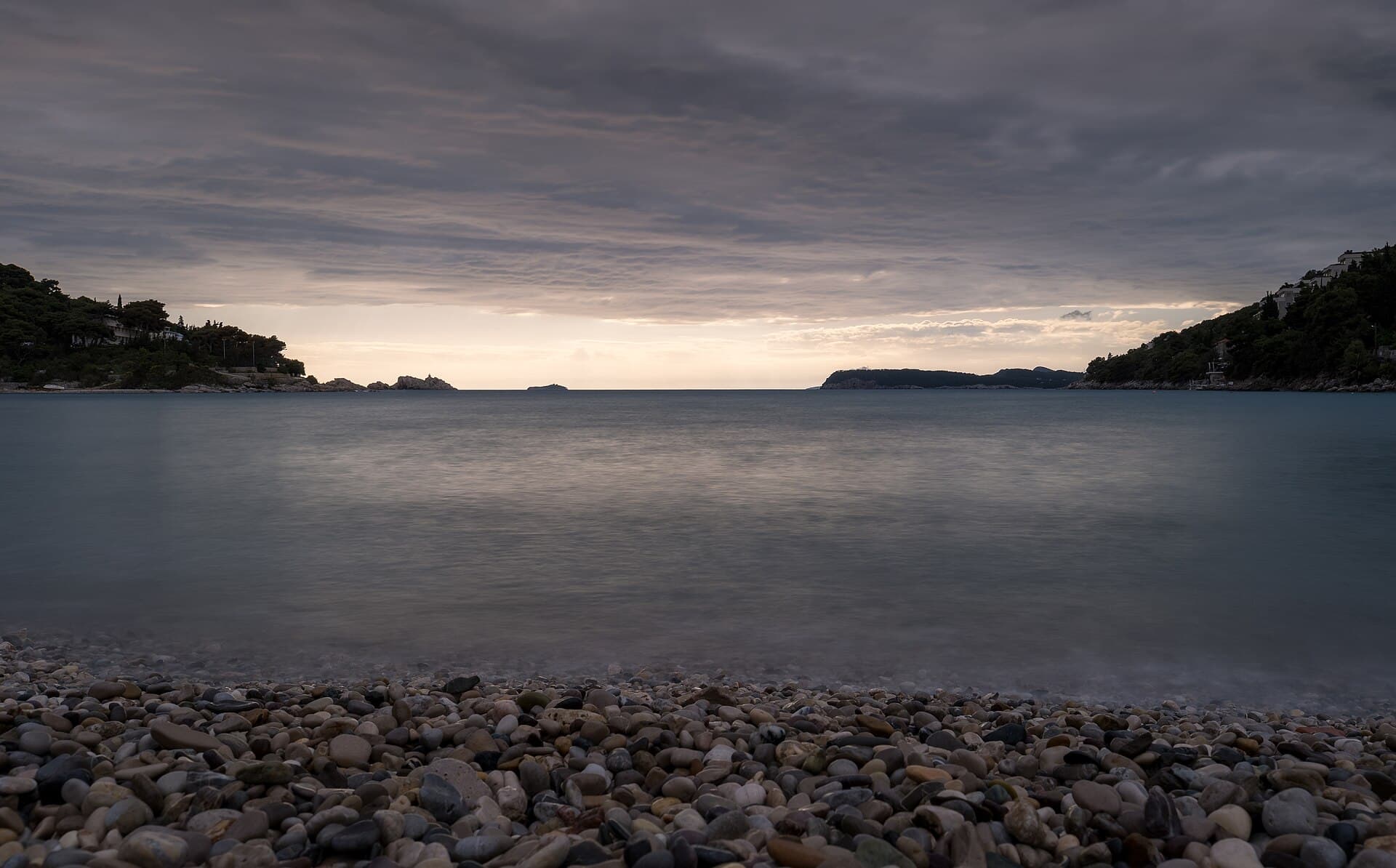
Lapad is where Dubrovnik starts to feel easier. It gives you sea air, more normal hotel logistics, and room to recover from the intensity of Old Town without giving up the city altogether. That makes it one of the best bases for travelers who want beach time, slower mornings, or a stay that behaves more like a holiday than a test of stair tolerance. The catch is simple: you choose Lapad because you want comfort and rhythm, not because you want to pop in and out of the walls all day.
Good fit if…
- • families and longer stays
- • travelers wanting beach time and hotel comfort
- • visitors happy to commute a bit for Old Town access
Skip it if…
- • you want to wake up inside Dubrovnik’s historic core
- • you only have a very short stay and want zero separation from the main sights
Map context
Lapad stay and beach context
Use this map to compare promenade-led Lapad, more resort-like Babin Kuk, and the transport links that determine how easy the district really feels.
Lapad Bay
Lapad
beachPromenade-and-beach heart of the district.
Open Lapad Bay in Google MapsSunset Beach
Lapad
beachPopular easy beach stop in the neighborhood.
Open Sunset Beach in Google MapsGruž Port
Harbor district
transportUseful for day trips, ferries, and some boat departures.
Open Gruž Port in Google MapsLapad
West Dubrovnik
neighborhoodComfort-first district with more room to breathe than Old Town.
Open Lapad in Google MapsHotel Kompas
Lapad Bay
hotelSample seafront stay in the heart of Lapad.
Open Hotel Kompas in Google MapsHotel Lapad
Lapad / Gruž side
hotelSample stay with practical bus and harbor positioning.
Open Hotel Lapad in Google Maps
Specific hotel picks
Hotels worth comparing first
These are real, central options to start your search. We do not show live rates or availability here, so use the links to verify the exact room, cancellation terms, taxes, and recent guest notes.
Hotel Kompas
Lapad Bay
Upscale- Best for
- Travelers who want a polished seafront base with beach time built in.
- Location note
- On the bayfront promenade and easy for swimming breaks.
- Why stay
- A very clean version of the Lapad promise: seafront comfort, easy swim breaks, and a base that actually encourages you to slow down.
- Watch out
- You will still use buses or taxis for repeated Old Town runs.
Hotel More
Lapad / Babin Kuk edge
Upscale- Best for
- Couples who want dramatic seafront positioning and a calmer feel.
- Location note
- Farther from Old Town but well placed for the water and sunset dinners.
- Why stay
- Strong for couples who want Lapad to feel scenic and indulgent rather than simply practical.
- Watch out
- Less convenient for spontaneous Old Town pop-ins.
Royal Neptun Hotel
Babin Kuk
Upper-midrange resort- Best for
- Families and longer-stay travelers who want pools and seaside downtime.
- Location note
- West of central Lapad, better for taxis or buses than walking into Old Town.
- Why stay
- Useful for travelers who genuinely want resort-style downtime as part of the Dubrovnik trip, not just as a fallback.
- Watch out
- Feels more resort strip than neighborhood lanes.
Hotel Lapad
Lapad / Gruž side
Midrange- Best for
- Travelers who want a practical location for buses and harbor access.
- Location note
- Well positioned for transport links while still reaching the promenade easily.
- Why stay
- A smart compromise if transport convenience and harbor access matter almost as much as promenade time.
- Watch out
- Less directly on the bay than the seafront picks.
Bookable ideas
Tours and activities to compare
Use these as a starting point, then verify the meeting point, cancellation terms, group size, and recent reviews before booking.
Sunset sea kayaking from Lapad or nearby coast
Water activity
2-3 hours- Best for
- Active travelers who want a scenic evening without another crowded Old Town block.
- Why book
- Good Lapad-area activity when the coast itself is part of why you chose the neighborhood.
- Watch out
- Weather and sea conditions can cancel the plan.
Elafiti Islands boat trip
Boat day trip
8 hours- Best for
- Lapad-based travelers who want to use the harbor side of town well.
- Why book
- Easy tour fit because many departures are more convenient from Gruž than from Old Town.
- Watch out
- Check the departure harbor and transfer arrangements.
Dubrovnik old town guided tour from Lapad base
City tour
2-3 hours- Best for
- Visitors staying in Lapad who want one efficient sightseeing day handled.
- Why book
- Useful if you want to keep Lapad as the hotel zone but still get context in the old center.
- Watch out
- Factor the bus or taxi into your meeting-time buffer.
Trip planning
Check guided options against the timing in this guide.
These tours work best when Lapad is your comfort base and you want one or two purposeful runs into the city or out onto the water.
Search Dubrovnik toursExternal partner or booking tool; check locations, terms, and current availability before committing.
Neighborhood note 01
Why travelers choose Lapad
Travelers choose Lapad when they want Dubrovnik with an off switch. The area offers more space, more hotel-style accommodation, and more chances to cool down between city runs. Families like it because the day can stretch out naturally. Couples like it because evenings can feel calmer and less crowded than the center. Repeat visitors like it because they do not need the city walls outside their window every hour.
Neighborhood note 02
What to do in and around Lapad
Lapad is less about famous checkboxes and more about how the day feels. Walk the promenade, swim, have a slower breakfast, linger over dinner, or use it as the softer half of a Dubrovnik day that starts in Old Town. It is also well placed for some boat departures and coastal activities, especially if you are happy to use the harbor side of the city intelligently rather than forcing every outing through the gates.
Neighborhood note 03
How it compares with Old Town
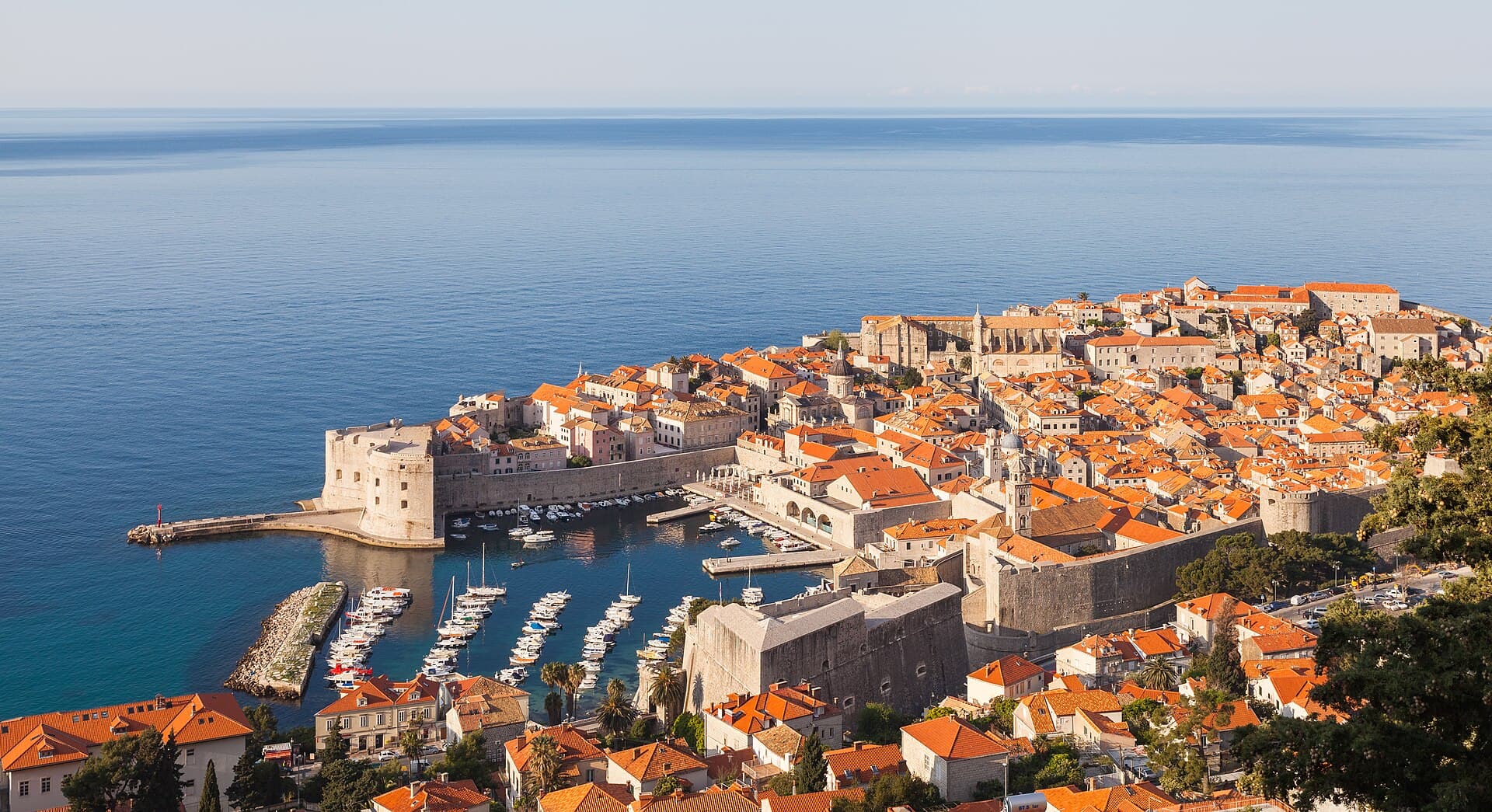
Old Town is the place you visit when you want drama, history, and immediate atmosphere. Lapad is where you stay when you want that drama on your terms. You trade instant medieval immersion for better room comfort, easier routines, and a built-in way to cool the trip down. For many travelers, that trade becomes more attractive with every additional night.
Neighborhood note 04
Who should stay here
Lapad is strongest for families, longer stays, summer trips, and anyone who knows they will need real downtime between Old Town sessions. It also suits couples who care more about a polished hotel stay and the sea than about being able to step out directly onto Stradun. It is less ideal for one-night stopovers or travelers whose entire plan is basically “walls, dinner, repeat.”
Neighborhood note 05
Use this Lapad guide if you want Dubrovnik to feel partly like a holiday
Use this guide when you are deciding whether comfort and water access should outrank historic-core immersion. Lapad is often the answer for groups that want Dubrovnik to feel sustainable: easier breakfasts, easier swims, easier rooms, and evenings that are less compressed by crowds. It is not trying to out-romance Old Town. It is trying to make the overall trip more livable. That distinction matters because a lot of travelers do not actually want every hour of Dubrovnik to feel intense — they want a city that can also exhale.

Neighborhood note 06
Which part of Lapad changes the experience most
Where you stay within Lapad matters. Near Lapad Bay and the promenade, you are better placed for restaurants, beach breaks, and the evening stroll that makes the district pleasant. Toward Babin Kuk, the stay often feels more resort-like, with bigger properties and a little more separation from the neighborhood rhythm. Toward the Gruž side, transport links improve. Think about whether your daily pattern is beach first, bus first, or resort first. That will tell you which part of Lapad is actually convenient for you.
Neighborhood note 07
Lapad mistakes people make when they only think in Old Town terms
The main mistake is booking Lapad for comfort and then refusing to use the comfort. If every meal, coffee, and evening plan is dragged back into Old Town, you have mostly paid to commute. Another mistake is assuming every Lapad address is equally easy to the promenade or bus corridor. Some are, some are not. Lapad works best when you let it carry some of the trip instead of treating it as a backup plan.
Neighborhood note 08
If Lapad feels too resort-like, choose a middle ground instead
If you like the idea of more breathing room but do not want to be quite this far from the walls, Pile or lower Ploče is usually the right middle ground. If you want even more facilities and less neighborhood feel, Babin Kuk may suit you better than central Lapad. On shorter trips, another smart move is to stay near Old Town and use Lapad as a deliberate half-day reset rather than a base. The right alternative depends on whether you are trying to recover convenience or preserve comfort.