
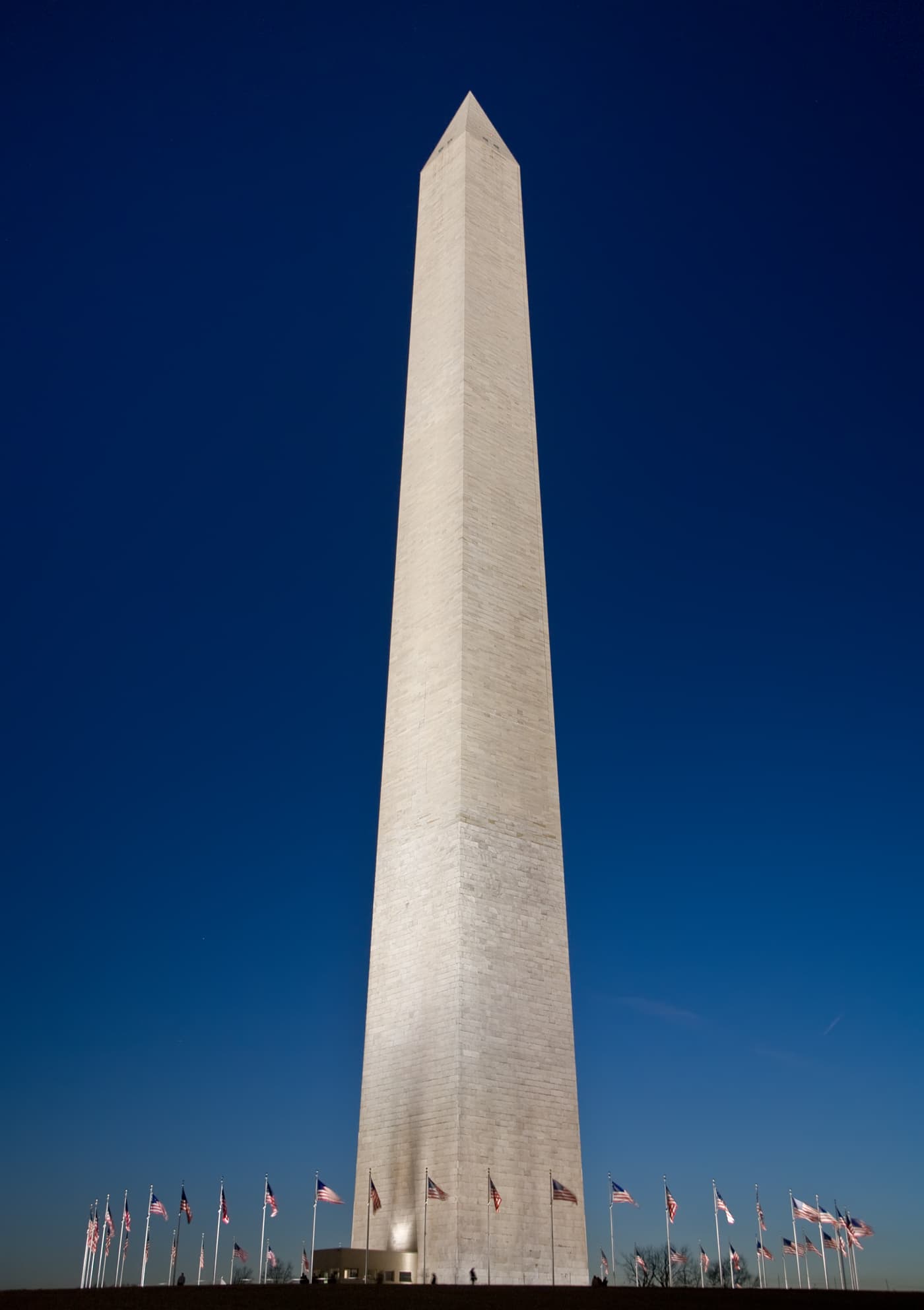
Three days in Washington, DC is enough for a very good first trip if you stop treating every monument and museum as equally easy to combine. The Mall is longer than it looks, security lines can quietly eat part of a morning, and the city feels better when formal sightseeing is broken up with one or two neighborhoods that still feel alive after dark. This plan keeps the classic highlights, but it is built around pacing: fewer unnecessary crisscrosses, better use of Metro, and enough breathing room that the trip still feels like a city visit instead of a civics obstacle course.
Map context
Washington, DC 3-day itinerary map
Plot the main sight clusters, optional tour anchors, and neighborhood pivots that shape a smart 3-day route through Washington, DC.
National Mall
Washington, DC
landmarkCore day-one anchor, but larger and more tiring in practice than many first-time maps suggest.
Open National Mall in Google MapsNational Gallery of Art
Washington, DC
landmarkGood first major museum because it fits naturally into a measured central-core orientation day.
Open National Gallery of Art in Google MapsLibrary of Congress
Washington, DC
landmarkBest treated as part of an eastern-core day rather than a rushed standalone stop.
Open Library of Congress in Google MapsEastern Market
Washington, DC
landmarkUseful lunch or reset point that helps Capitol Hill feel like a neighborhood, not just an institution cluster.
Open Eastern Market in Google MapsGeorgetown Waterfront
Washington, DC
landmarkA strong day-three option if you want your final stretch to feel softer and less museum-driven.
Open Georgetown Waterfront in Google MapsDupont Circle
Washington, DC
landmarkUseful evening pivot or final-day neighborhood anchor for travelers who want classic DC beyond the Mall.
Open Dupont Circle in Google MapsMetro Center Washington DC
Washington, DC
transportHandy reference point for regrouping the trip and judging whether a detour still makes sense.
Open Metro Center Washington DC in Google Maps
Bookable ideas
Tours and activities to compare
Use these as a starting point, then verify the meeting point, cancellation terms, group size, and recent reviews before booking.
Monuments by night tour
Sightseeing tour
3 hours- Best for
- First-time visitors who want to see the memorial core in cooler air and with less navigational effort.
- Why book
- It can turn a tiring nighttime self-walk into a smoother, more legible experience, especially after a full sightseeing day.
- Watch out
- Less compelling if you already enjoy long independent walks and do not mind handling the monument geography yourself.
Capitol Hill and Library of Congress walking tour
History walk
2–3 hours- Best for
- Travelers who want the institutional core to feel more intelligible and less like a string of impressive facades.
- Why book
- Useful when context is the difference between admiring the buildings and actually understanding why this part of DC matters.
- Watch out
- Read the current access notes carefully, because security procedures and interior availability can change.
Georgetown food and history walk
Food tour
3 hours- Best for
- Visitors who want a non-museum afternoon or evening that still feels anchored in the city rather than purely recreational.
- Why book
- It helps Georgetown land as more than shopping streets and gives that part of the city a stronger sense of context.
- Watch out
- Only worth prioritizing if Georgetown is genuinely part of the trip you want, not just a filler district for day three.
Mount Vernon half-day trip
Half-day excursion
4–5 hours- Best for
- History-focused travelers who have seen the main DC core before or who strongly want one extra-site contrast.
- Why book
- It gives you a structured add-on outside the federal center without forcing a full all-day detour.
- Watch out
- Still a meaningful time commitment, so it is easy to regret on a tight first visit that has not yet covered DC itself well.
Trip planning
Check guided options against the timing in this guide.
Use a tour for the parts of Washington, DC that benefit from context, nighttime logistics, or limited access, then keep the rest of the trip flexible enough to follow your energy.
Browse Washington, DC toursExternal partner or booking tool; check locations, terms, and current availability before committing.
Itinerary note 01
How to use this 3-day plan
Treat this itinerary as route logic, not as a rigid checklist. Washington works best when each day has a clear geographic center and when you accept that the distance between sights matters as much as the sights themselves. Use early hours for the places where security, crowds, or heat matter most. Save some flexibility for weather, museum fatigue, or the simple fact that one surprisingly good lunch can be a better memory than one extra rushed institution. If you visit in summer, leave more shade, water, and indoor reset time than you think you need. If you visit in winter, protect yourself from wind and early darkness by tightening the walking ambition.
Itinerary note 02
Day 1: build your mental map with the White House side, one major museum, and a measured National Mall walk
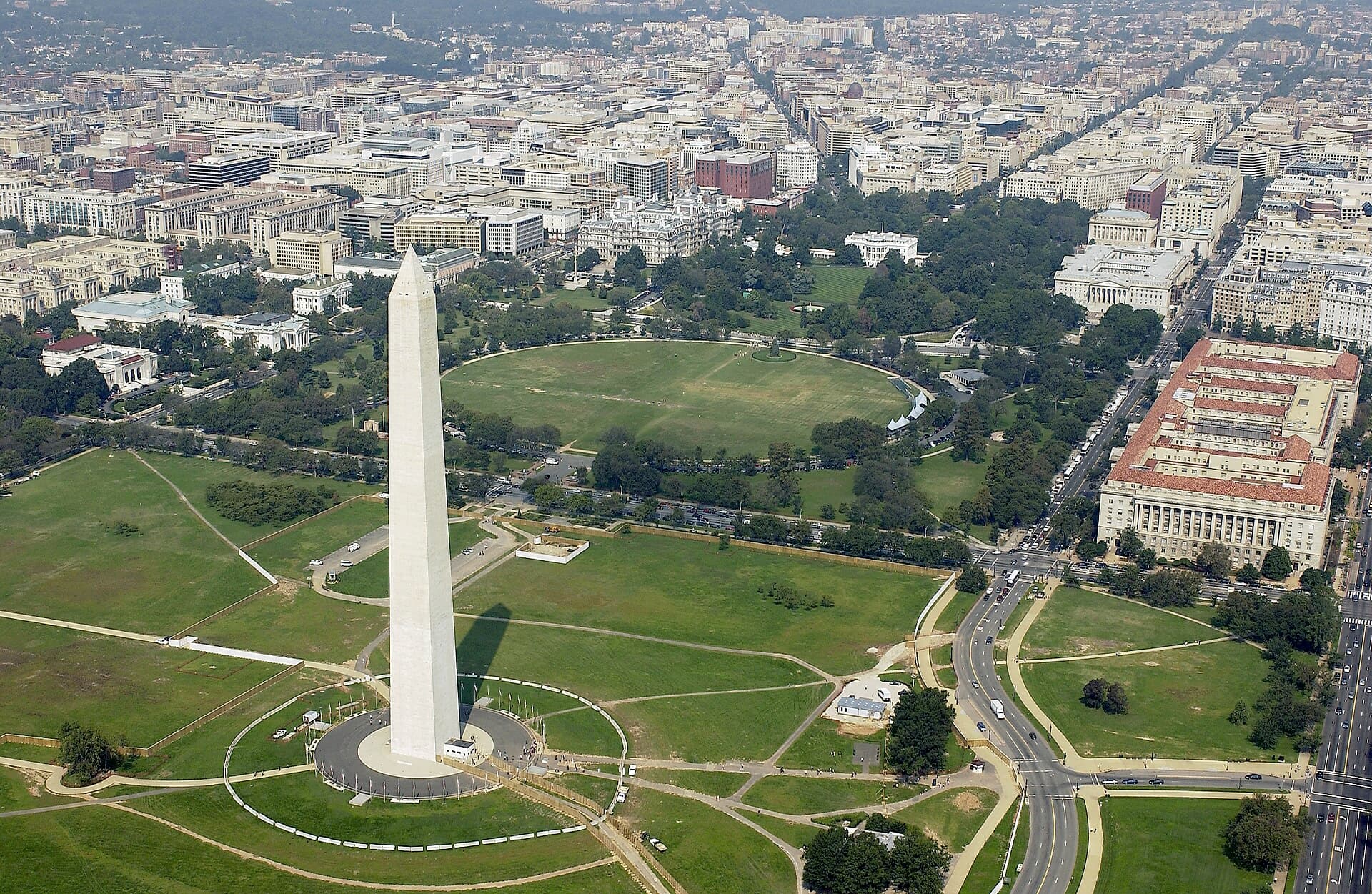
Start by understanding the central monumental core rather than trying to conquer it. A good first day usually means the White House perimeter area, one major museum or the National Gallery, and then a deliberate walk along part of the Mall so the city stops feeling abstract. Do not schedule three museums just because they are free. Security entry, bag checks, and the simple scale of the grounds can eat more time than expected. Your goal on day one is orientation: learn where the Mall actually sits, where you naturally want to pause, and how far the east-west walks feel in your own legs.
Itinerary note 03
Day 1 evening: move to a neighborhood that feels good after the marble gets quiet
For the first evening, leave the formal core and have dinner somewhere that shows you the city as people actually use it. Dupont Circle and Logan Circle / 14th Street are especially good for this because they feel active without turning the night into another logistics challenge. If you are staying in Penn Quarter, that can also work for a lighter first night, but many travelers enjoy DC more once they see a neighborhood that is not organized around daytime institutions. Keep the evening easy. A first night is better used to get your bearings than to chase one more major sight after your energy is already dropping.
Itinerary note 04
Day 2: make Capitol Hill, the Library of Congress side, and the eastern Mall your main block
Use day two for the east side of the core while your energy is still relatively fresh. If you have timed entries or prebooked access for the Capitol side, anchor the morning around that, then give yourself time for the Library of Congress area, a lunch stop around Eastern Market or Barracks Row, and one more museum or memorial cluster that fits naturally on the same side of town. This is where many visitors make the trip feel harder than it needs to be by bouncing back west too early. If you keep the day eastern and layered, it feels much more coherent.
Itinerary note 05
Day 2 evening: use a guided experience only if it solves a real gap
Day two evening is the cleanest slot for a tour because by then you know what the city still owes you. A monuments-at-night experience can make sense if you want the memorial core without daytime heat and without one more long self-directed walk. A Capitol Hill or Library of Congress tour can also earn its place if you want more context than the buildings give you on their own. But the key is purpose. Book something because it adds explanation, convenience, or confidence, not because you feel obligated to maximize every open hour.
Itinerary note 06
Day 3: let the city tilt toward your preferred version of Washington
Use the final day to deepen whichever side of DC appealed to you most instead of building a random cleanup list. If you want a softer, prettier day, do Georgetown and the waterfront or combine Foggy Bottom with a Potomac-side stroll. If neighborhood life appealed more than federal grandeur, Dupont Circle and nearby museum options can make an excellent final block. If you still want one more formal highlight, use this day for Arlington-side plans or a museum you skipped, but keep it coherent. The last day should feel like a deliberate district, not a pile of leftovers.
Itinerary note 07
When to book tours versus when to stay flexible
Book the parts that are genuinely harder to self-run: timed entries, limited-capacity experiences, or the evening tour that saves your legs and helps you understand what you are seeing. Leave standard daytime museum and neighborhood time more flexible whenever possible. DC rewards that flexibility because weather shifts, security lines vary, and even free museums can become tiring if you force too many in a row. The city is usually better when you book one thing that improves the trip than when you prebook four things that trap the pace.
Itinerary note 08
How to adjust this itinerary for different travel styles
Fast movers can add one more museum or memorial cluster per day, but only if it sits in the same geography and does not require a whole new transit chain. Slower travelers should cut a museum before cutting meals, shaded pauses, or neighborhood time. Families and mixed-energy groups should be especially conservative about stacking multiple security-line attractions in one day, because DC can turn into a lot of standing around if you are not careful. If you are visiting in peak summer, start earlier and shorten afternoon outdoor ambition. If you are visiting in colder months, lean harder on Metro and indoor resets so the weather does not quietly drain the trip.
Itinerary note 09
Mistakes that make a 3-day city trip feel rushed
The main mistake is assuming the city is small because the headline sights sit on one famous strip. In reality, the Mall is expansive, museum entrances take time, and memorial walks become tiring faster than they look on a map. Another common mistake is treating Georgetown, Capitol Hill, the Smithsonian cluster, and nighttime monuments as if they all belong in one super-day. They do not. DC is better when you group by zone, accept that one or two things may stay optional, and protect your evenings from turning into one long recovery commute.