

Getting from Reagan, Dulles, or BWI into Washington, DC is easier once you stop imagining one neat city-center drop-off. A hotel near Metro Center behaves differently from one in Georgetown, Logan Circle, Capitol Hill, or Navy Yard, and the final ten minutes can matter more than the long airport leg. In DC, the smartest transfer is often the one that gets you close to the right neighborhood with the least friction after a flight, not the one that looks cheapest before you account for stairs, luggage, timing, and late-night energy.
Map context
Washington, DC airport to city map
Use this map to line up the airport, main arrival hubs, and hotel districts that change which transfer route makes the most sense in Washington, DC.
Ronald Reagan Washington National Airport
Washington, DC airport
transportBest overall airport for Metro-connected central stays and the easiest arrival for most first-time visitors.
Open Ronald Reagan Washington National Airport in Google MapsWashington Dulles International Airport
Washington, DC
transportMore workable by rail than many travelers assume, especially for central hotels near the right Metro spine.
Open Washington Dulles International Airport in Google MapsUnion Station Washington DC
Washington, DC
transportKey handoff point for BWI rail arrivals and useful if your trip starts on the Capitol Hill side.
Open Union Station Washington DC in Google MapsMetro Center Washington DC
Washington, DC
transportUseful benchmark for central hotel access and for judging whether a rail arrival actually simplifies the trip.
Open Metro Center Washington DC in Google MapsPenn Quarter, Metro Center, or southern Dupont Circle
Washington, DC
neighborhoodTypical first-time stay zone where airport-to-hotel logic is often easiest to keep clean.
Open Penn Quarter, Metro Center, or southern Dupont Circle in Google MapsLogan Circle / 14th Street
Washington, DC
neighborhoodGood comparison area for understanding when a short final car ride beats insisting on a full transit finish.
Open Logan Circle / 14th Street in Google Maps
Trip planning
Keep planning with related city guides.
Compare neighborhoods, transport friction, day-trip timing, and practical tradeoffs before booking anything.
Browse more Washington, DC guidesTransport note 01
Best default route: get yourself onto the right Metro spine or to the right curb, not just vaguely downtown
For many central stays, Metro Center / Gallery Place is the most useful mental anchor because so many first-time hotel choices radiate from there. Reagan National is the easiest airport by a wide margin for Metro-connected hotels, because it drops neatly onto the city's rail system without asking much of you. Dulles can also work well now for central DC if your hotel is close to a useful station. BWI is the least elegant for most casual visitors because it often adds an extra rail handoff before you even solve the last leg into the city. The key is to think backward from your hotel door, not forward from the airport.
Transport note 02
When a direct taxi or transfer is worth paying for
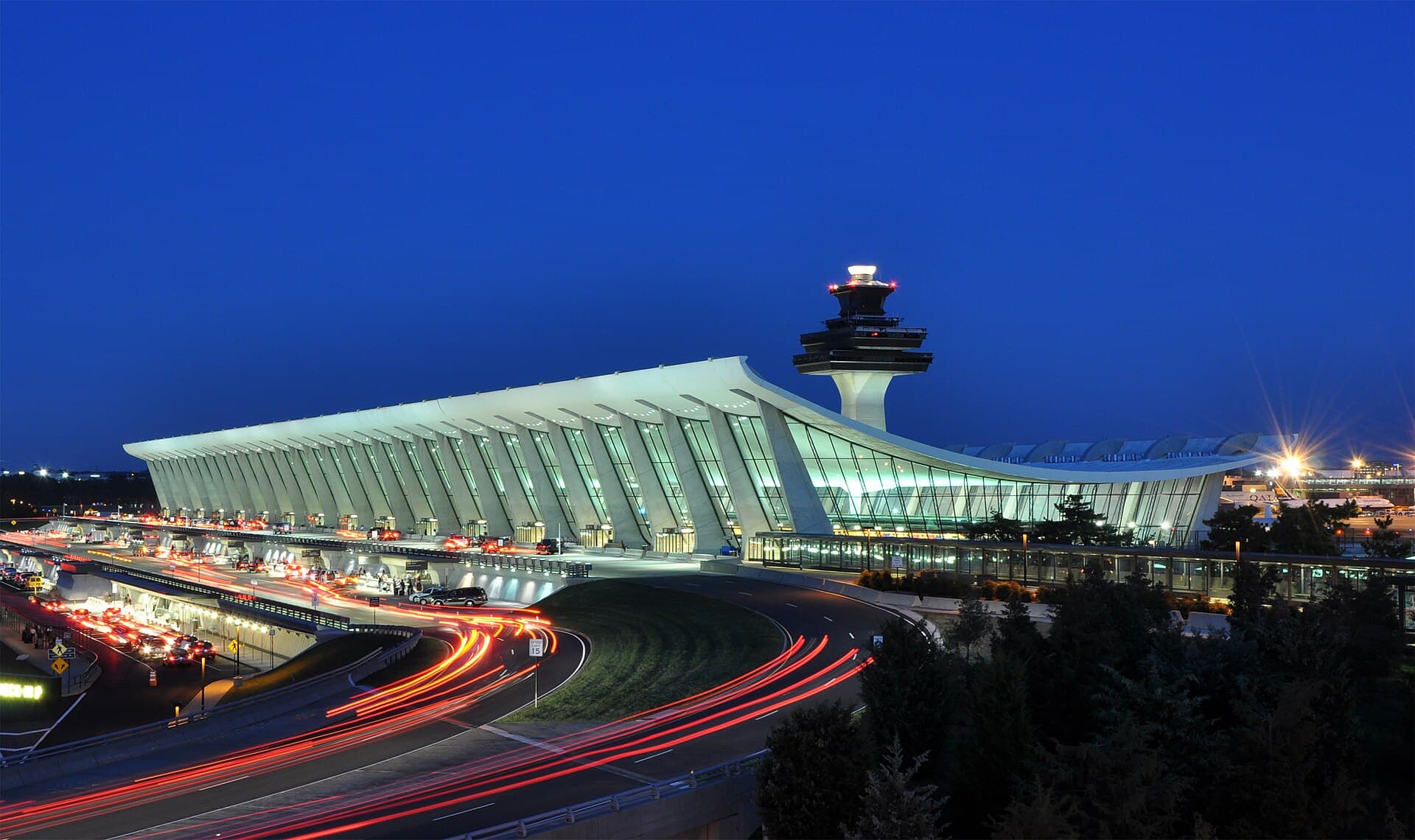
A direct car becomes much more attractive when you land late, have multiple bags, are staying in Georgetown, or would still face an awkward walk after the train. It is also a sensible move for small groups sharing the cost, business travelers heading straight to a meeting-ready hotel, or anyone arriving in summer humidity and wanting to preserve energy. In Washington, the value of a car is not just speed. It is avoiding that last annoying mismatch between where the train is optimized to leave you and where your exact hotel actually sits.
Transport note 03
How late arrivals should think about the transfer
Late arrivals are where theoretical transit savings often stop looking clever. Penn Quarter, Dupont Circle, and some downtown-adjacent hotels remain fairly straightforward after dark, but Georgetown, parts of Logan Circle, and quieter residential pockets can be less appealing if you still need a final walk, bus, or transfer while tired. This is not about fearmongering. It is about fatigue and friction. At the end of a long travel day, the cleaner route usually wins, even if it costs more than the most efficient daytime version of the same trip.
Transport note 04
What public transport does well — and what it does not solve
Public transport is excellent when your hotel lines up with the system. Reagan is the obvious winner for that. Dulles is far more usable than many travelers still assume, especially for Silver Line-friendly areas and central transfers. BWI can still be practical if Union Station is a natural stepping stone for your route. What transit does not automatically solve is the final approach: the uphill walk from Dupont, the no-Metro reality of Georgetown, the longer hotel-to-station gap in some parts of Logan Circle, or the extra handoff that suddenly feels silly with luggage. Use transit for the stretch it handles cleanly, then be honest about whether the last segment still works.
Transport note 05
Choose the route based on your hotel area, not a generic city-center promise
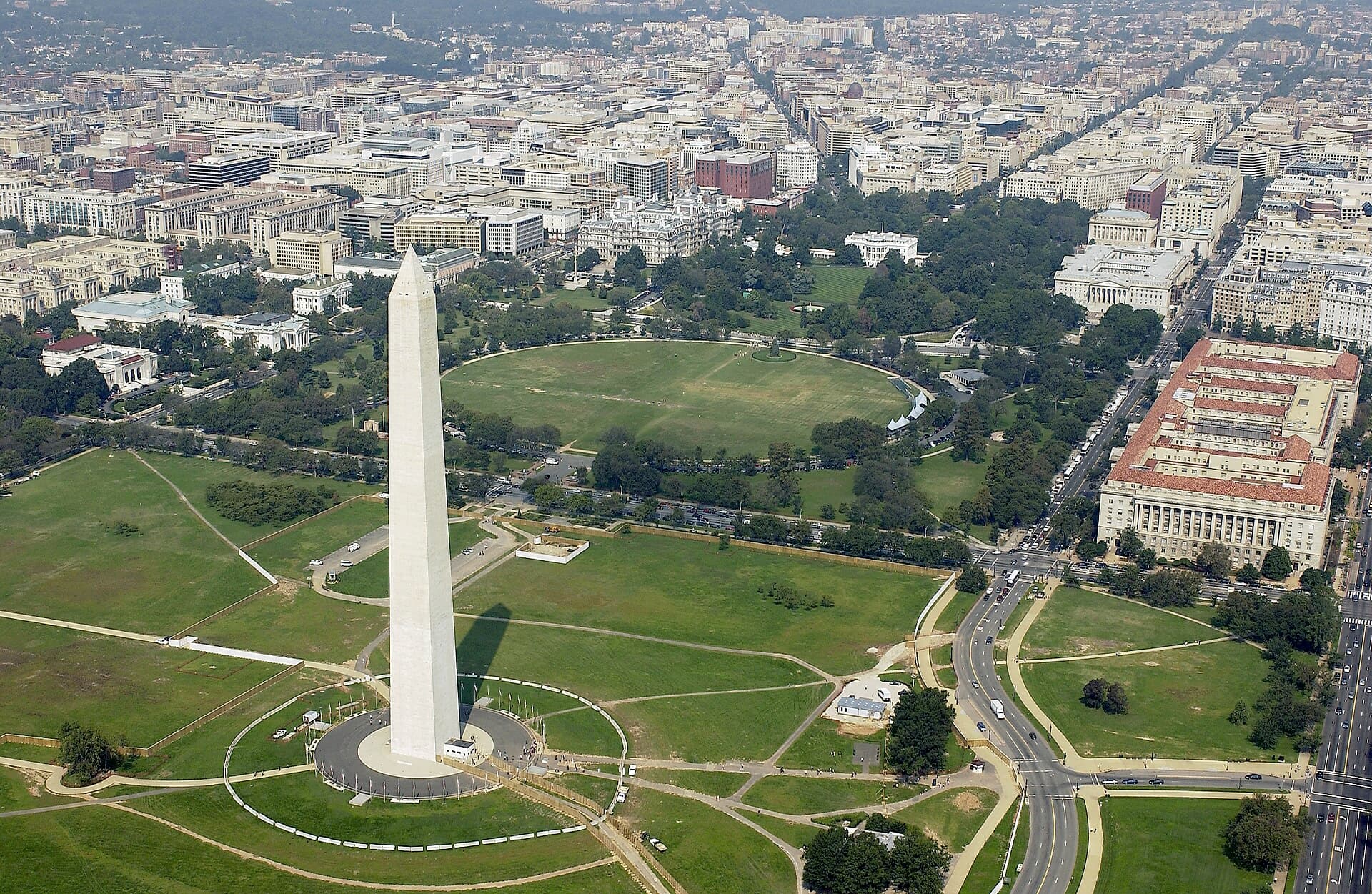
Penn Quarter, Metro Center, Foggy Bottom, and central Dupont usually reward rail arrivals best. Capitol Hill can also work well if the station-to-hotel segment is clean. Logan Circle often depends on whether you are happy with a walk or need a short final car ride. Georgetown is the clearest example of a district where a direct ride can outperform a train route that looks fine on paper. If you book a waterfront or stadium-adjacent district like the Wharf or Navy Yard, the right answer depends even more on your exact property. In DC, the same airport route can feel elegant for one hotel and strangely clumsy for another.
Transport note 06
If you are connecting onward the same day
Not everyone is going to the hotel first. Some travelers are heading to a conference, a Capitol Hill meeting, Union Station, or a sightseeing anchor before check-in. If that is you, treat the first useful stop as your real destination. Washington becomes much easier once you stop optimizing for an abstract center and optimize for the first thing you actually need to do. A clean arrival at Metro Center, Union Station, or a direct curbside drop can be more valuable than technically arriving closer to your sleeping address later.
Transport note 07
How much buffer to leave on departure day
DCA is usually the easiest airport to time tightly because it sits closest and tends to fit naturally into a central-stay departure pattern. Dulles and BWI need more respect, not because they are impossible, but because the distances and connection chains are real. Departure mornings get stressful when you need two smooth transitions in a row and one small delay starts to matter. If your flight is early, your checkout timing is tight, or your hotel is awkward from rail, the calmer option is often worth it.
Transport note 08
Should airport convenience decide where you stay?
Only partly. Airport ease matters most on very short trips, work trips, or itineraries with late arrivals and early departures. But repeated daily movement still matters more for most visitors. A hotel that is perfect for one airport transfer but mildly annoying for every Smithsonian day, dinner plan, and tired ride home is usually the wrong optimization. It is better to choose the neighborhood that fits the trip and then solve each airport leg with the cleanest tool available.
Transport note 09
The mistake that makes airport transfers feel harder than they are
The common mistake is comparing train, shuttle, and taxi only on headline cost before checking the final handoff. In Washington, that last station change, last uphill walk, or last no-longer-feels-worth-it bus transfer is often what determines whether the arrival felt smooth or irritating. Solve the last block first. Once you know whether your hotel wants a Metro arrival, a Union Station handoff, or a direct car, the rest of the airport decision gets much simpler.