
For most first-time visitors, Penn Quarter, the Metro Center area, or the more central side of Dupont Circle is still the easiest Washington, DC base because it keeps the routes you are most likely to repeat simple: airport arrival, Smithsonian days, one or two evening neighborhoods, and the tired trip back when your legs are done. But the best answer changes if dinners matter as much as monuments, if you want a calmer residential reset, or if you care more about Georgetown charm than Metro elegance. The useful question is not which neighborhood sounds nicest in theory. It is which part of Washington will still feel like the right choice when the weather turns, the museums run long, and you have to get home without thinking too hard.
Good fit if…
- • first-time visitors who want the easiest possible Washington, DC base
- • travelers who care about practical daily movement as much as atmosphere
- • short-stay visitors trying to reduce friction without defaulting to generic advice
Skip it if…
- • you only care about nightlife and would rather stay directly in Logan Circle / 14th Street or Navy Yard
- • you want the absolute cheapest bed and accept extra transit or rideshare friction
- • you are planning a deliberately slower residential stay where classic first-timer convenience is not the point
Map context
Where to stay in Washington, DC first-time map
Compare the first-time-friendly districts, arrival anchors, and hotel examples that matter most when choosing your base in Washington, DC.
Penn Quarter / Chinatown
Washington, DC
neighborhoodBest all-around first-time base when you want the easiest sightseeing and transit rhythm.
Open Penn Quarter / Chinatown in Google MapsDupont Circle
Washington, DC
neighborhoodBest for travelers who want stronger restaurant nights and more classic neighborhood feel without losing centrality.
Open Dupont Circle in Google MapsLogan Circle / 14th Street
Washington, DC
neighborhoodBest for a more social, dining-led version of a first trip rather than the pure convenience play.
Open Logan Circle / 14th Street in Google MapsCapitol Hill
Washington, DC
neighborhoodBest for a calmer residential base and easier access to the eastern side of the sightseeing core.
Open Capitol Hill in Google MapsMetro Center / Gallery Place
Washington, DC
transportKey arrival and transfer reference point for judging whether a first-time hotel is truly convenient.
Open Metro Center / Gallery Place in Google MapsRiggs Washington DC
Penn Quarter
hotelExample of a hotel that makes a first Washington trip feel very straightforward.
Open Riggs Washington DC in Google MapsHotel Madera
Dupont Circle
hotelExample of the neighborhood-forward first-time stay that still keeps the city practical.
Open Hotel Madera in Google Maps
Specific hotel picks
Hotels worth comparing first
These are real, central options to start your search. We do not show live rates or availability here, so use the links to verify the exact room, cancellation terms, taxes, and recent guest notes.
Riggs Washington DC
Penn Quarter
Upper-midrange to luxury- Best for
- First-time visitors who want airport arrival, museums, and dinner options to stay simple from day one.
- Location note
- Walkable to Gallery Place, central museums, and a wide range of useful dining options.
- Why stay
- A strong practical choice when you want your first Washington hotel to make the city feel immediately understandable.
- Watch out
- Event and game nights can make the surrounding blocks noisier and busier than a quieter first-timer might prefer.
Hotel Madera
Dupont Circle
Upscale- Best for
- Travelers who want neighborhood feel, strong dinners, and a still-central base for a first trip.
- Location note
- Useful for Red Line access, walkable evenings, and manageable returns to the federal core.
- Why stay
- It solves the common first-time tension between pure sightseeing efficiency and wanting a nicer place to land each night.
- Watch out
- Check the exact block and station walk, because some Dupont hotels feel more convenient on a map than they do with bags or in bad weather.
The Darcy
Logan Circle
Midrange to boutique- Best for
- Food-focused travelers who know dinner and nightlife are not just side activities on this trip.
- Location note
- Good for 14th Street restaurants and still workable to downtown by walking, transit, or a short ride.
- Why stay
- It makes sense when you want the city to stay lively after dark without moving totally away from the central sightseeing zone.
- Watch out
- Less efficient than Penn Quarter if your days are built around repeated early museum starts and strict transit simplicity.
Capitol Hill Hotel
Capitol Hill
Midrange to boutique- Best for
- Travelers who value a calmer home base near the Capitol and Eastern Market more than being in the busiest central zone.
- Location note
- Useful for the Capitol complex, Eastern Market, and Blue/Orange/Silver line connections.
- Why stay
- A good first-trip choice if you want DC to feel settled and residential once the formal sightseeing day ends.
- Watch out
- Not the best fit if your nights revolve around Dupont, 14th Street, or Georgetown and you want those returns to be effortless.
The Graham Georgetown
Georgetown
Midrange to boutique- Best for
- Couples and atmosphere-led travelers who are willing to trade transport efficiency for charm.
- Location note
- Great for M Street, the waterfront, canal walks, and evenings that stay in the neighborhood.
- Why stay
- It is strongest when Georgetown itself is part of why you booked the trip, not just a pretty background to a museum-heavy stay.
- Watch out
- Airport transfers and repeated Mall runs are noticeably less smooth here than in Metro-centered districts.
Trip planning
Compare stays against the neighborhood tradeoffs here.
Use these Washington, DC hotel picks to compare arrival ease, neighborhood feel, and whether the most atmospheric option is actually the most useful for your first trip.
Search Washington, DC hotelsExternal partner or booking tool; check locations, terms, and current availability before committing.
Stay tradeoff 01
Best first base: Penn Quarter, Metro Center, or the central side of Dupont Circle
If you want the least risky first-time choice, start here. These areas line up well with how short DC trips actually work: they simplify arrival from the airport, make repeated monument and museum days easier, and reduce the odds that you end each evening with one irritating final transfer. Penn Quarter and Metro Center are the pure convenience answer. Central Dupont is the slightly more atmospheric version that still keeps the city manageable. The win is not just being central on a map. It is being central in a way that matches the routes you will repeat most often.
Stay tradeoff 02
Choose Dupont Circle if dinners, bars, or a livelier evening rhythm matter to you
Dupont Circle is often the better first-time choice for travelers who care about what happens after the museums close. It gives you restaurants, people on the sidewalks, and a more lived-in version of Washington without making the daytime sightseeing side of the trip difficult. That makes it especially attractive for couples, friend trips, and anyone who knows they would rather walk to dinner than ride back out for it. The tradeoff is that it is a little less direct for repeated Mall mornings than Penn Quarter. If evenings matter nearly as much as the monuments, that is usually a fair trade.
Stay tradeoff 03
Pick Logan Circle / 14th Street or Capitol Hill if you want a steadier or more specific version of the city
Logan Circle / 14th Street is stronger when the trip is partly about restaurants and nightlife. Capitol Hill is stronger when you want calmer nights, handsome residential streets, and easier access to the eastern side of the sightseeing core. Both can work well for a first visit, but they are specialized choices rather than universal defaults. Logan makes more sense for travelers who want the city to feel social after dark. Capitol Hill makes more sense for travelers who prefer a quieter reset and do not mind being more deliberate about west-side dinners or Georgetown detours.
Stay tradeoff 04
Why the exact station, block, or micro-location matters more than the district label
Washington is one of those cities where a correct neighborhood headline can still hide a frustrating hotel. A property can be 'in Dupont' but uphill from the station in a way that feels annoying with luggage. A downtown hotel can look perfectly central but sit on a block that feels too dead for your taste at night. A Georgetown stay can sound dreamy until you remember that every airport transfer and museum day starts with a no-Metro compromise. Before you book, trace the actual walk from the likely station or curb and ask how it will feel when you are tired, hot, cold, or arriving late.
Stay tradeoff 05
Match the base to your real trip style, not the version of the trip that sounded best while browsing
If your real plan is museums, memorials, and efficient sightseeing, you will usually be happiest in Penn Quarter, near Metro Center, or in a central slice of Dupont. If you know dinners and neighborhood energy matter more than shaving ten minutes off the Smithsonian run, Logan Circle or Dupont becomes more attractive. If you want quieter nights, an easier Capitol Hill morning, or a more residential read on the city, Capitol Hill can outperform flashier options. And if you mostly care about atmosphere and are willing to manage the transit tradeoff, Georgetown may be exactly right. The mistake is booking aspirationally instead of honestly.
Stay tradeoff 06
What to do if the obvious answer feels too expensive or too intense
This is where Foggy Bottom, West End, or sometimes even nearby Arlington-side options can become useful, as long as the route pattern still works. Foggy Bottom is especially helpful when you want to stay central but not in the busiest first-timer zone, or when business and leisure needs overlap. The right fallback in Washington is not just the cheaper district. It is the district that saves money without quietly adding two or three daily annoyances. If the compromise still keeps the airport, the Mall, and your likely evenings reasonably clean, it can be a very smart move.
Stay tradeoff 07
Arrival and departure friction should shape the choice more than people admit
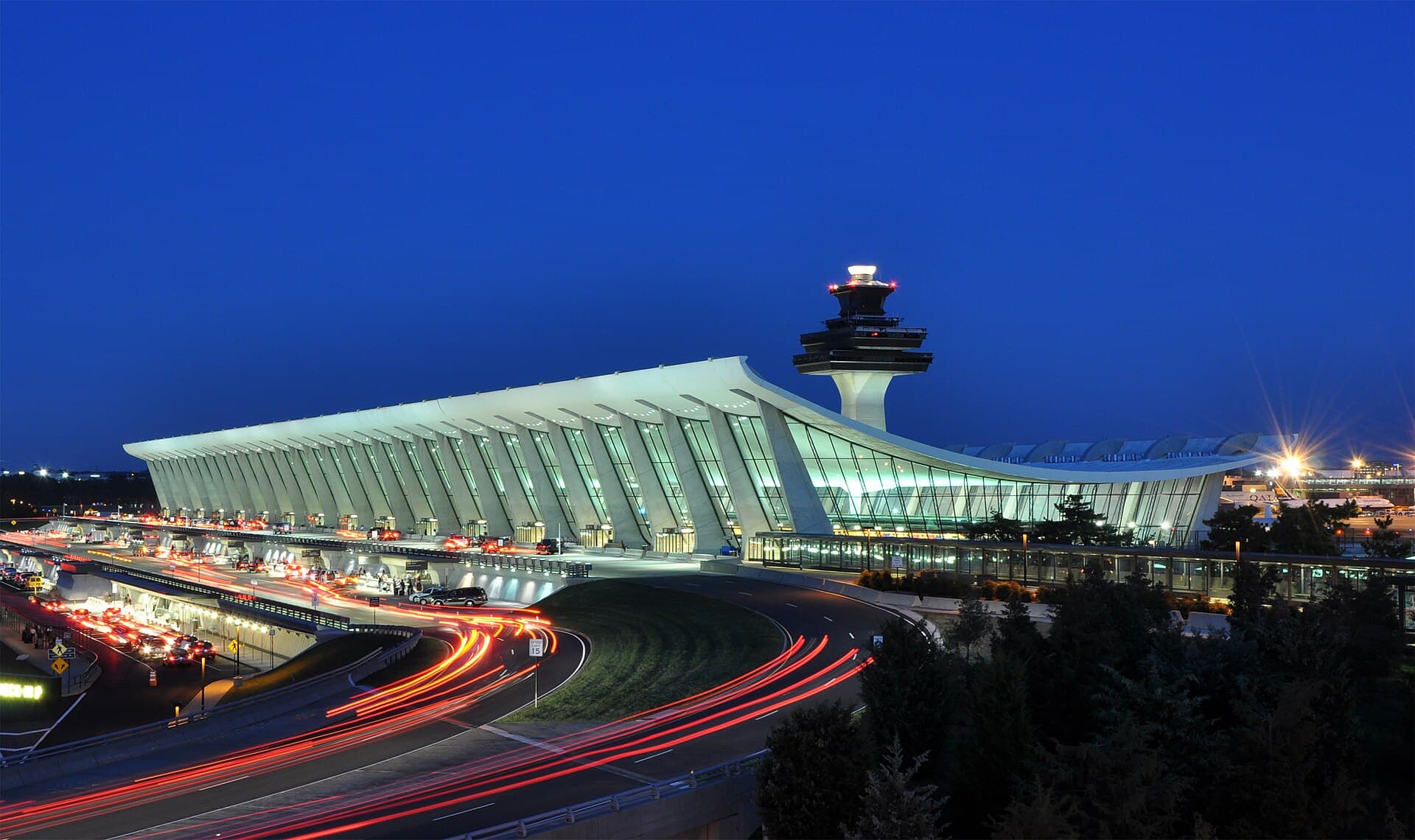
Your first and last day make up a big share of a short Washington trip, so airport logic matters. Think about whether the hotel works cleanly from Reagan, Dulles, or BWI, what happens if you land late, and whether your base still feels convenient after one final Metro ride or car drop. This matters even more in Georgetown and some of the less station-tight parts of the city. A beautiful hotel is much less charming when the first and last transfers are clumsy. In DC, the best first-time base is usually the one that stays easy at both ends of the trip.
Stay tradeoff 08
Common first-timer mistakes in Washington, DC
The common mistakes are assuming all central neighborhoods are interchangeable, underestimating how large the Mall feels once you are actually walking it, and choosing the most exciting-sounding district without checking whether you also want simple museum mornings and clean late returns. Another frequent mistake is grabbing a deal that looks close enough on the map even though it creates a mildly annoying transit problem every day. Washington rarely punishes you with one giant error. It punishes you with repeated small frictions.
Stay tradeoff 09
Best answer in one sentence
Choose Penn Quarter, Metro Center, or central Dupont Circle for the easiest all-around first trip, Logan Circle / 14th Street if evening energy matters most, Capitol Hill if you want a calmer residential base, or Georgetown only if atmosphere matters enough to justify the transit tradeoff.